The World Health Organisation said it received pledges worth $700 million (AED 2.5 billion) for its 2025-2028 budget at a event in Berlin on Monday, in addition to $300 million (AED 1.1 billion) already pledged by the European and African Unions.
"The COVID-19 pandemic demonstrated that when health is at risk, everything is at risk," WHO head Tedros Adhanom Ghebreyesus said at the event. "Investments in WHO are therefore investments not only in protecting and promoting health, but also in more equitable, more stable and more secure societies and economies."
Germany said it would provide at least 360 million euros ($392.47 million). It and the United States are the biggest country donors to the Geneva-based organization.
"Recently, just a handful of countries have provided large amounts of funding," German Chancellor Olaf Scholz said. "It would be better for us to spread the responsibility across many more shoulders."
"Every contribution counts – no matter how small."
WHO members agreed two years ago to overhaul its funding model which has been described as "fundamentally rotten" due to its over-reliance on the whims of donors.
The agreement means obligatory fees should rise to up to 50 per cent of the budget by 2030-2031 from just 16 per cent in recent years.
Iran and the US have continued their attacks in the Gulf as each accused the other of violating an increasingly precarious interim deal signed less than two weeks ago to end their four-month-old war.
Ukraine hit two Russian oil refineries in the regions of Krasnodar and Yaroslavl overnight, President Volodymyr Zelenskiy said on Sunday, as Kyiv ramps up pressure on Russia's fuel supply with its drone fleet.
Australia said on Saturday it would double the maximum penalty it can impose on tech firms found to have failed to uphold a ground-breaking social media ban for children, as evidence mounts that the ban has had little effect on teen use.
A strong earthquake struck Afghanistan's Hindu Kush region on Saturday, the European Mediterranean Seismological Centre said, sending out tremors that could be felt from the capital Kabul across the border into neighbouring Pakistan.
Serbia's populist president Aleksandar Vucic, under pressure after months of anti-government protests, said on Saturday he will resign within weeks and the country will hold early presidential and parliamentary elections.

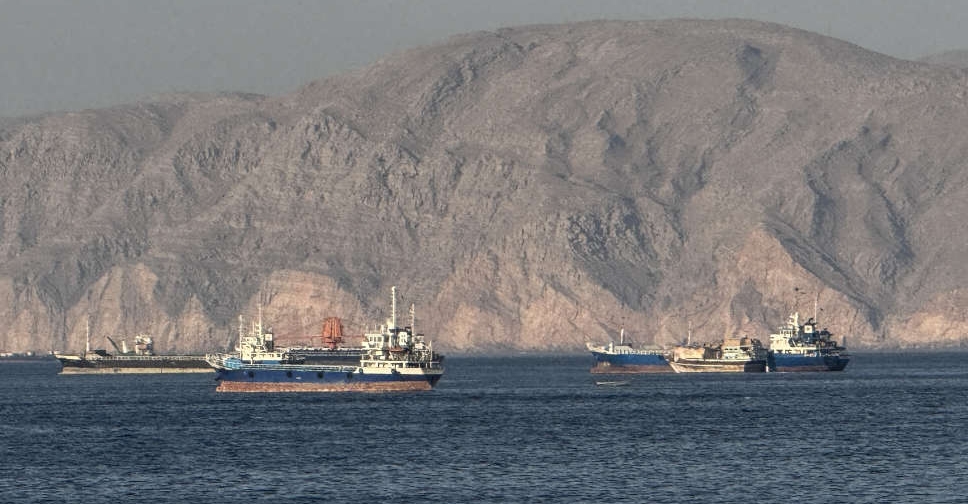 Iran, US continue escalating attacks, recriminations over peace deal
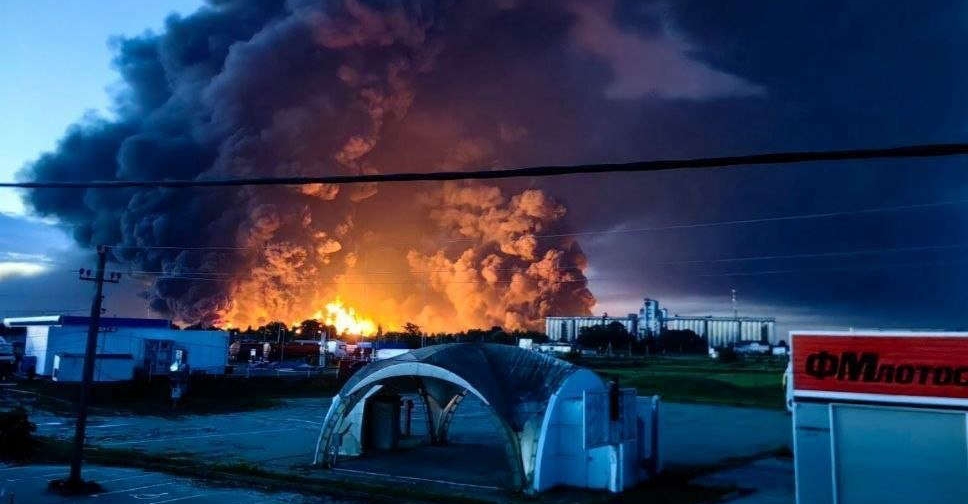 Ukraine hits two Russian oil refineries overnight
 Australia toughens kids' social media ban
 Strong earthquake hits Hindu Kush, shaking Afghanistan and Pakistan
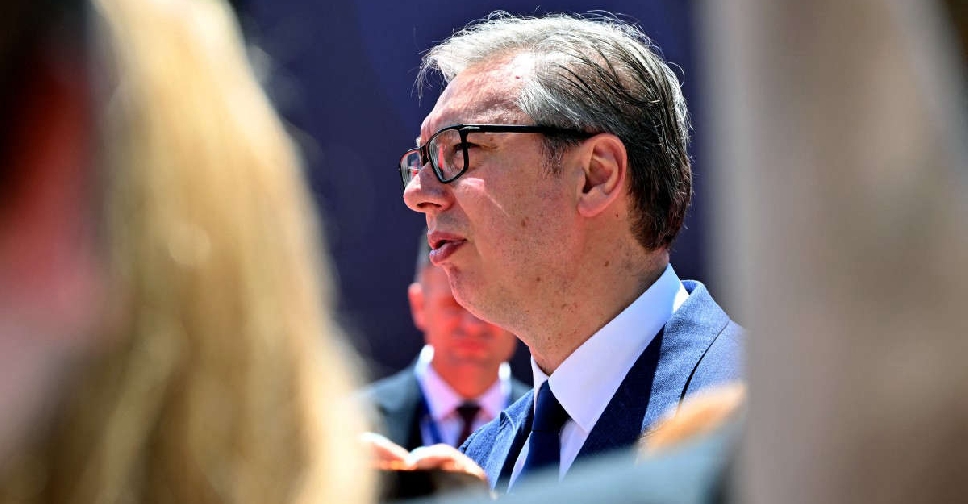 Serbian President Vucic says he will resign within weeks