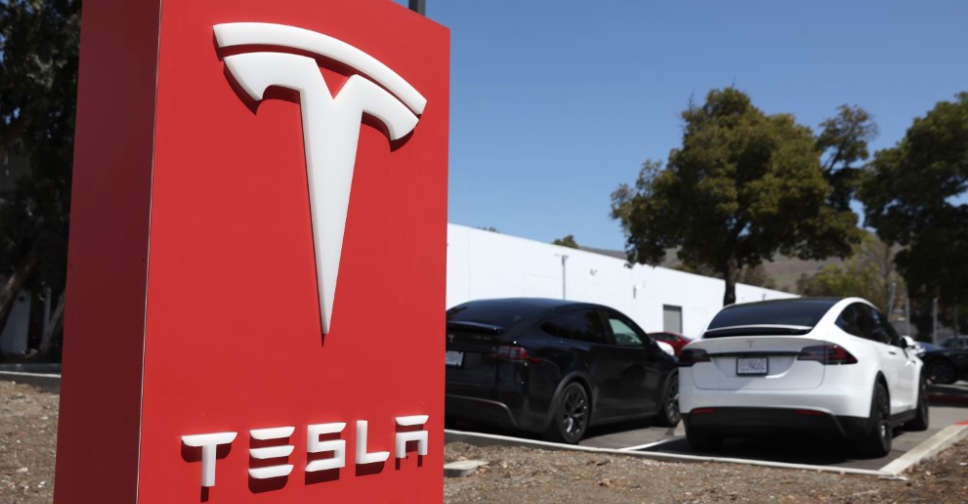
Tesla Chief Executive Officer Elon Musk said on Friday the electric automaker could lower prices for cars if inflation calms down.
Musk, who has over 100 million followers on Twitter, was replying to a tweet on Friday that asked if the company had any plans to lower prices that it had raised to beat the pandemic and supply chain woes.
"If inflation calms down, we can lower prices for cars," Musk said in a tweet.
Tesla has raised car prices a number of times in the past few months by a few thousand dollars as costs of raw materials for aluminum to lithium used in cars and batteries surge, while automakers struggle to source chips and other supplies due to an industry-wide shortage.
Musk, the world's richest person, in recent weeks warned about the risk of a recession and said he had a "super bad feeling" about the economy.
US consumer prices jumped 9.1 per cent to a nearly 41-year high in June, as gasoline and food costs remained elevated. The surge spells tough times for companies that are now looking to cut costs and alter their hiring plans.


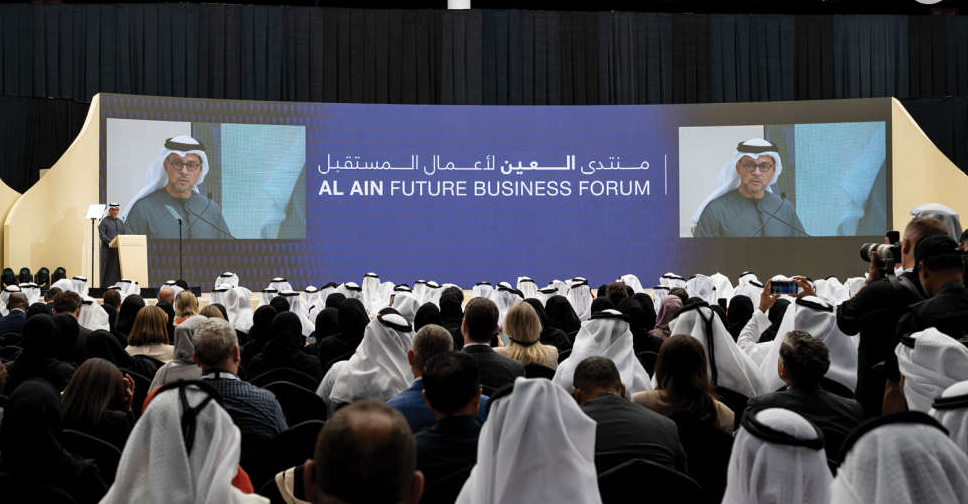 Eleven agreements signed at Al Ain Future Business Forum
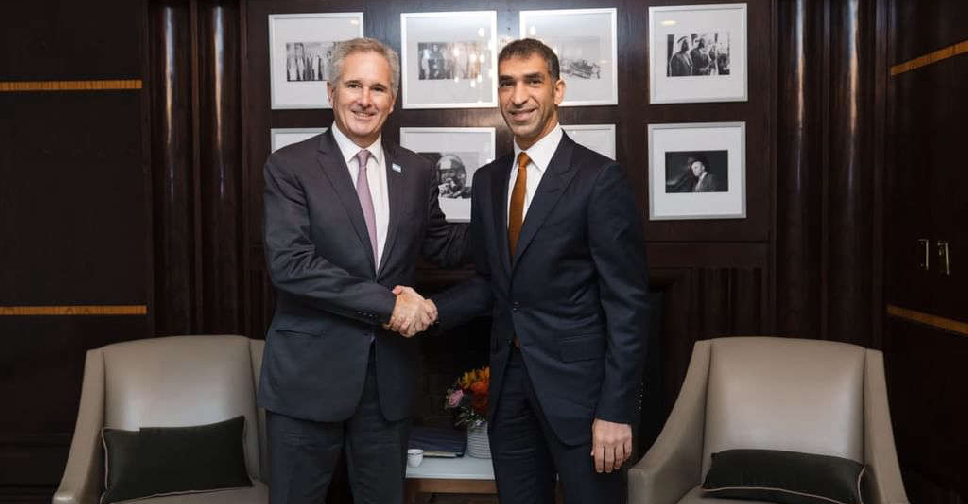 UAE, Argentina launch CEPA negotiations
 Meraas awards AED 1 billion contract for Nad Al Sheba Gardens expansion
 Meta launches AI gadget Charm as race for post-smartphone hardware heats up
 UAE Central Bank sanctions Bank Melli Iran over compliance breaches