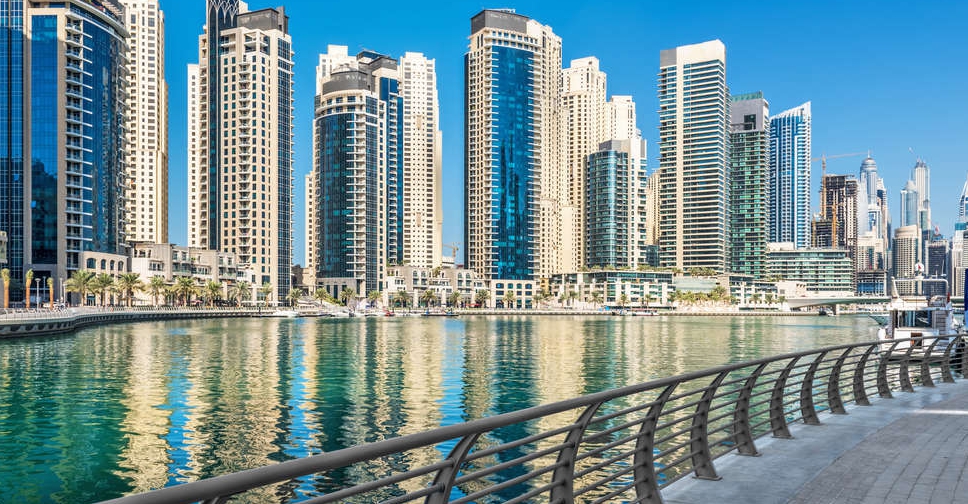
Dubai has retained its position as the world’s cleanest city for the sixth consecutive year, according to the Global Power City Index (GPCI) issued by the Institute for Urban Strategies at Japan’s Mori Memorial Foundation.
The achievement reflects Dubai's long-term vision of developing a clean, healthy and sustainable urban environment that places people and community wellbeing at the core of development and city management.
It also highlights the emirate’s ability to maintain advanced standards of urban living while strengthening its global competitiveness as one of the world’s most attractive cities to live, work and visit.
Dubai achieved a 100 per cent satisfaction score in the city cleanliness indicator under the Environment pillar of the Global Power City Index, outperforming major global cities evaluated across key measures of urban performance.
The Global Power City Index is among the world’s leading benchmarks assessing urban competitiveness through six core functions: quality of life, environment, economy, research and development, cultural interaction, and accessibility, based on more than 70 international indicators.
"Cleanliness in Dubai is not only an operational outcome but an established urban culture that reflects the awareness, responsibility, and values of society," said Marwan Ahmed bin Ghalita, Director General of Dubai Municipality.
Dubai has retained its position as the world’s cleanest city for the sixth consecutive year, according to the Global Power City Index (GPCI) issued by the Institute for Urban Strategies at Japan’s Mori Memorial Foundation, reinforcing the emirate’s global leadership in quality of… pic.twitter.com/IlPV96Achu
— Dubai Media Office (@DXBMediaOffice) March 9, 2026
Integrated system
Dubai Municipality ensures a comprehensive cleanliness drive around the clock, supported by a modern fleet of 785 vehicles, purpose-built machinery, and specialised equipment, alongside more than 23,300 waste storage and collection units distributed across residential and public areas.
The system is managed by 2,876 sanitation engineers and 280 supervisory and inspection personnel within an integrated operational framework.
The system serves an extensive urban network covering 2,400 kilometres of main roads and highways, 1,419 kilometres of investment zones, and 33.4 kilometres of water canals, in addition to markets, beaches, residential communities, industrial zones, and desert areas.
Pioneering initiatives
Dubai Municipality also leads pioneering initiatives in integrated waste management, most notably the Circle Dubai initiative, which promotes waste reduction, recycling and adoption of circular economy practices through community participation.
The Municipality manages the Warsan Waste-to-Energy Centre, the largest facility of its kind globally, alongside smart community recycling centres and advanced digital platforms supporting real-time monitoring and operational decision-making through the Clean City Index system.
Collaborative frameworks with private sector partners further strengthen residential waste collection, transport and recycling services, supported by community engagement initiatives such as the ‘One Hour with a Sanitation Engineer’ programme.

 UAE modifies alert sounds in National Early Warning System
 2 members of UAE Armed Forces martyred in helicopter crash
 UAE participates in extraordinary EU–GCC leaders meeting
 UAE welcomes US listing of Sudanese Muslim Brotherhood as terrorist group

