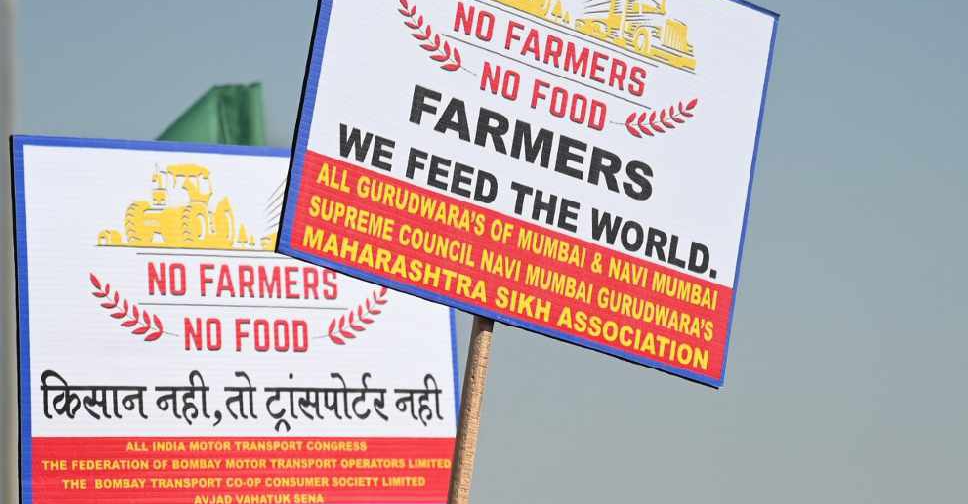
Farmers' protests against new laws liberalising agricultural markets spread across India on Tuesday.
The nationwide strike came after inconclusive talks with Prime Minister Narendra Modi's government.
In eastern and western states, farmers blocked roads and squatted on railway tracks, delaying people getting to work, and preventing perishable produce from reaching markets.
Farmers from the northern states of Punjab and Haryana, neighbouring New Delhi, have been at the vanguard of the agitation since last month, and have set up protest camps in and around the capital.
The reforms enacted in September loosened rules around the sale, pricing and storage of farm produce that have protected farmers from an unfettered free market for decades.
Assured of floor prices, most currently sell the bulk of their produce at government-controlled wholesale markets, known as mandis.
The ruling Bharatiya Janata Party (BJP) has said the reforms would not hurt farmers' incomes. More talks between the government and farmer organisations are due on Wednesday.
Amid the coronavirus pandemic, protest sites around New Delhi have turned into camps, with entire families cooking and sleeping in the open and Sikh religious organisations were providing them with face masks, water and food.
At least 20 regional and national opposition parties backed the call for the strike.


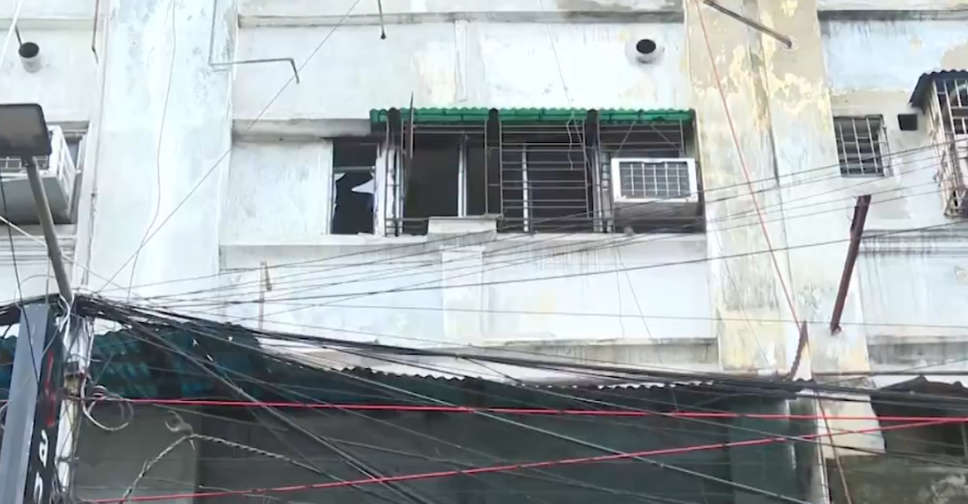 At least 9 killed in hotel fire in India's Kolkata
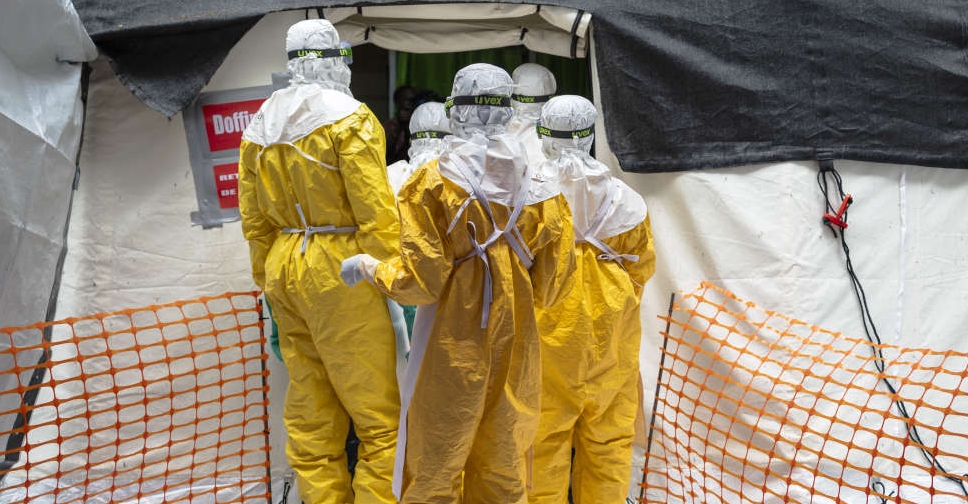 Ebola cases in Congo exceed 5,000, government data shows
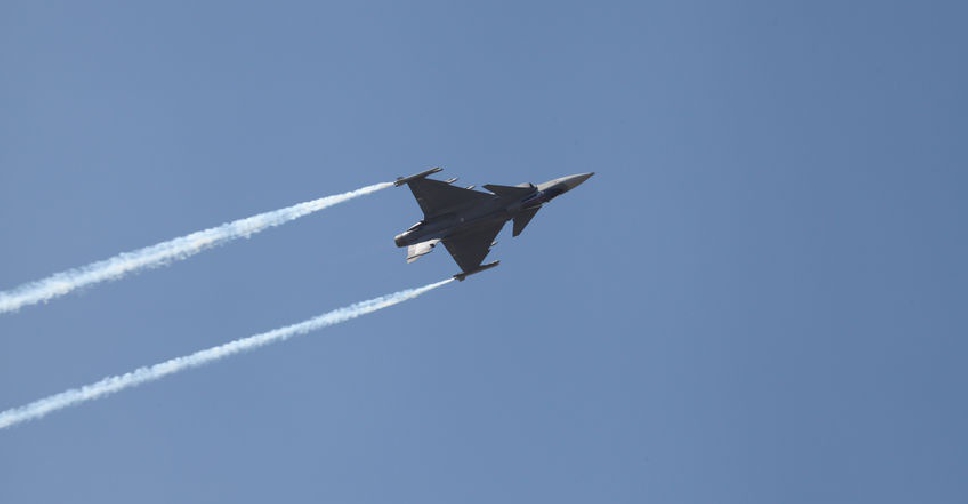 8 Israeli airstrikes hit Syria's Abu al-Duhur airbase, state TV reports
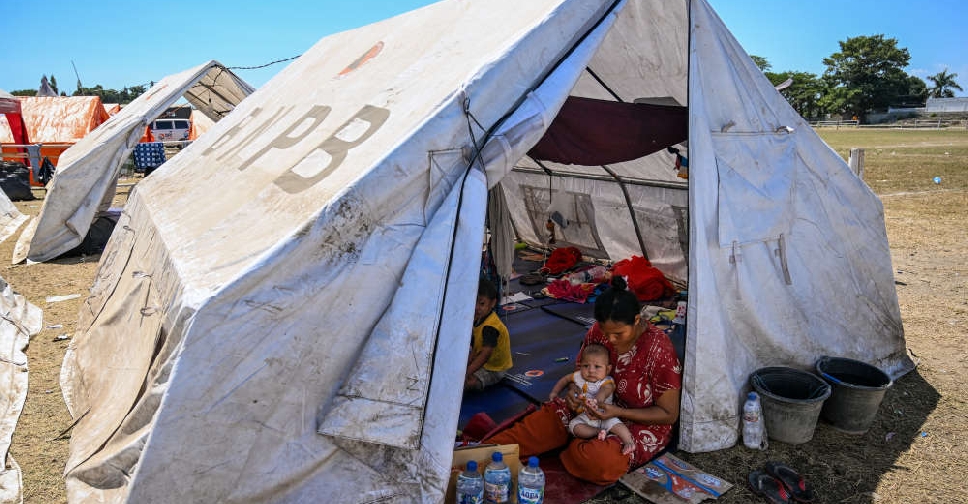 Indonesia earthquake death toll rises to 70, government aid arrives
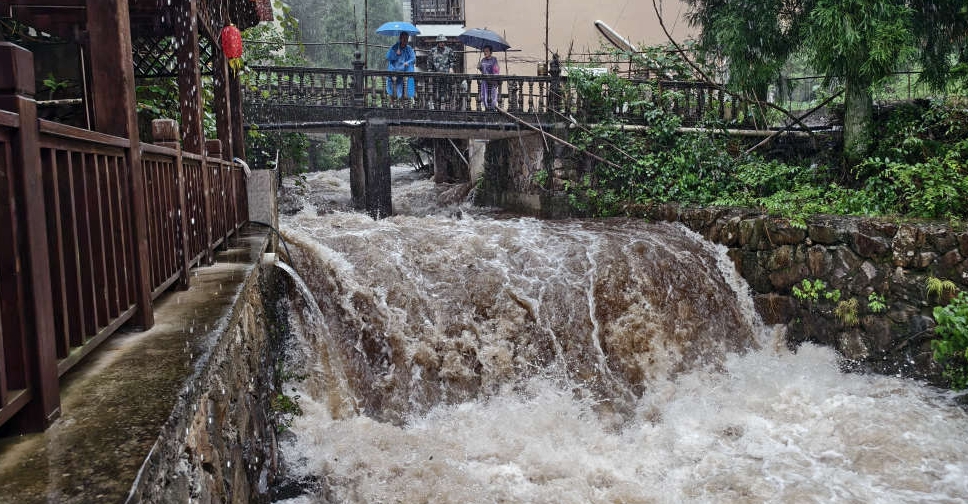 China's torrential rains kill 10 in southwest as thousands evacuated