Doctors in England began a five-day strike on Wednesday over pay and working conditions during a surge in flu cases and with no end in sight to an increasingly bitter dispute with the government.
The walkout is the latest in a series of strikes this year by "resident" or junior hospital doctors, who say their pay has been eroded over more than a decade.
The government says it cannot afford to increase pay more than it already has, and health minister Wes Streeting has called the strikes "self-indulgent, irresponsible and dangerous".
The strike adds pressure to a healthcare service that is already stretched. National Health Service England warned last week that hospitals were facing a "worst-case scenario" from a surge in cases of a virulent strain of flu.
"Staff will come together as they always do ... but sadly more patients are likely to feel the impact of this round of strikes than in the previous two," said Meghana Pandit, NHS England's national medical director.
Jack Fletcher of the British Medical Association (BMA), which represents resident doctors, said two issues were at stake: a jobs crisis, with qualified medics unable to secure positions, and pay.
"We must value our doctors in this country," he said at the picket line outside St Thomas' Hospital in London. "We saw more doctors taking the step to leave the profession last year than any in the last decade."
Streeting, however, said it was "ultimately a pay dispute".
"There's just a gap - a very wide gap - between BMA expectations and affordability," he told lawmakers on Wednesday.
FLU YET TO REACH PEAK
The BMA is seeking a 29 per cent increase this year to restore pay to 2008 levels in real terms.
Shortly after being elected last year, the Labour government agreed a 22 per cent pay rise for doctors, in a bid to end a dispute that began under the previous, Conservative government.
However, after being awarded another 5.4 per cent rise this year, the conflict flared again.
Public support for the strikes is relatively low, with a YouGov survey on December 12 showing that 58 per cent of those surveyed were either somewhat or strongly opposed to the latest action.
NHS England said there may be fewer doctors on duty than usual during the strikes, requiring staff to prioritise life-saving care. Some appointments will be rescheduled.
Flu hospitalisations in England surged by more than 50 per cent in early December, reaching an average of 2,660 patients a day - the highest ever for this period. Health leaders have said there was still no peak in sight.

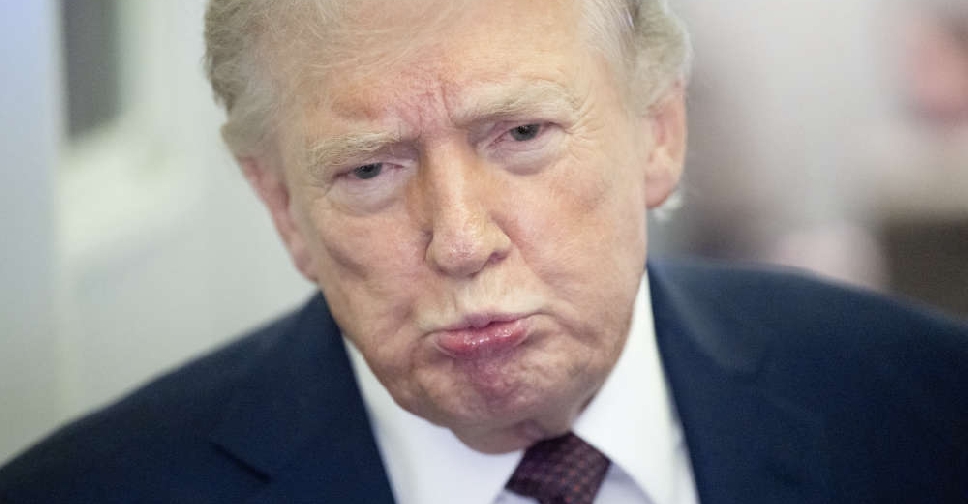 US allies rebuff Trump's request for support in Strait of Hormuz
 Pakistan-bound oil tanker passes through Hormuz Strait amid Iran war
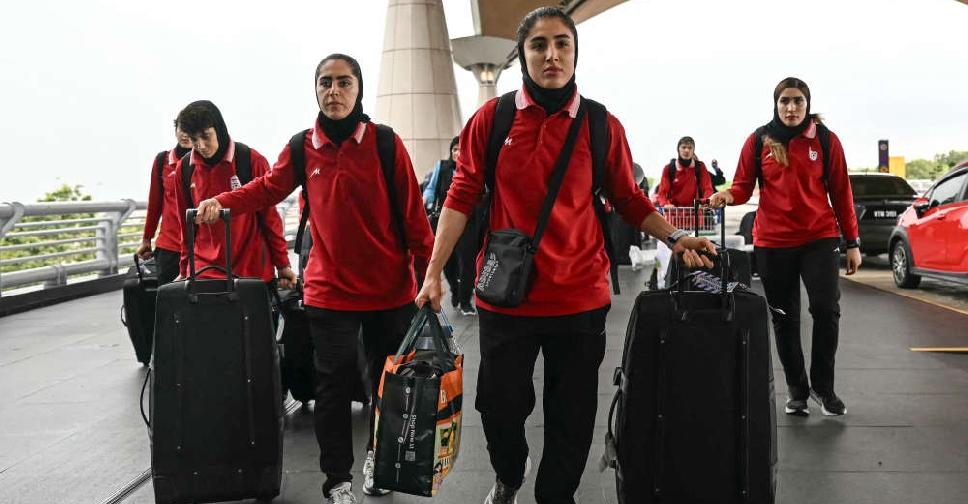 Iranian women's soccer team begin journey home after players decline asylum
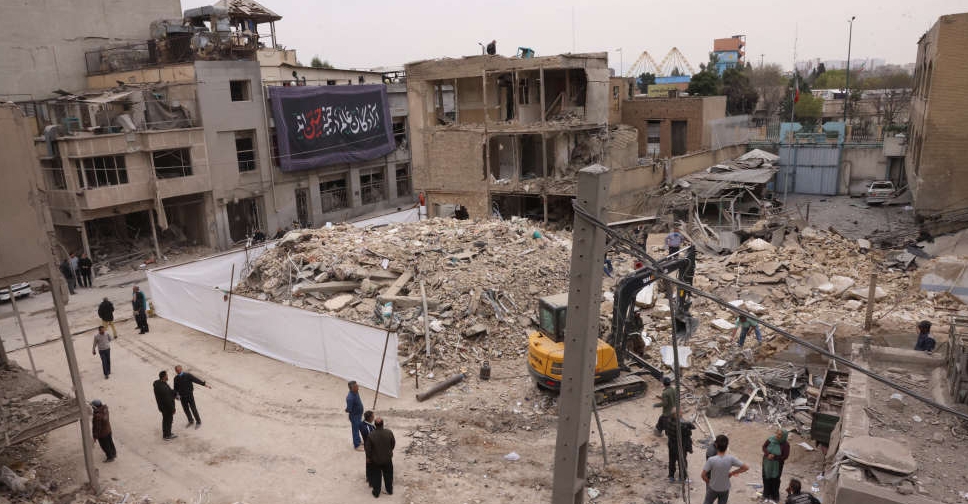 Israel says it has plans for at least three weeks of war as airstrikes pound Iran
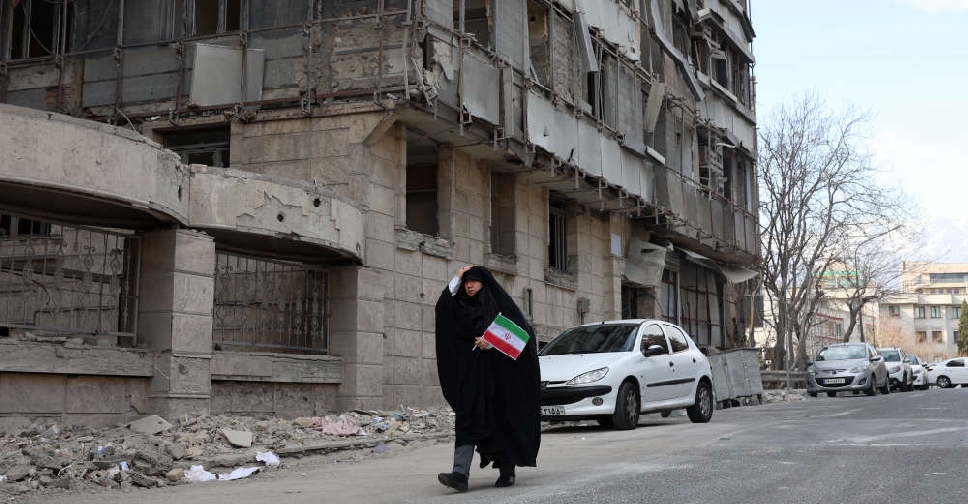 WHO says six hospitals evacuated in Iran, system holding up