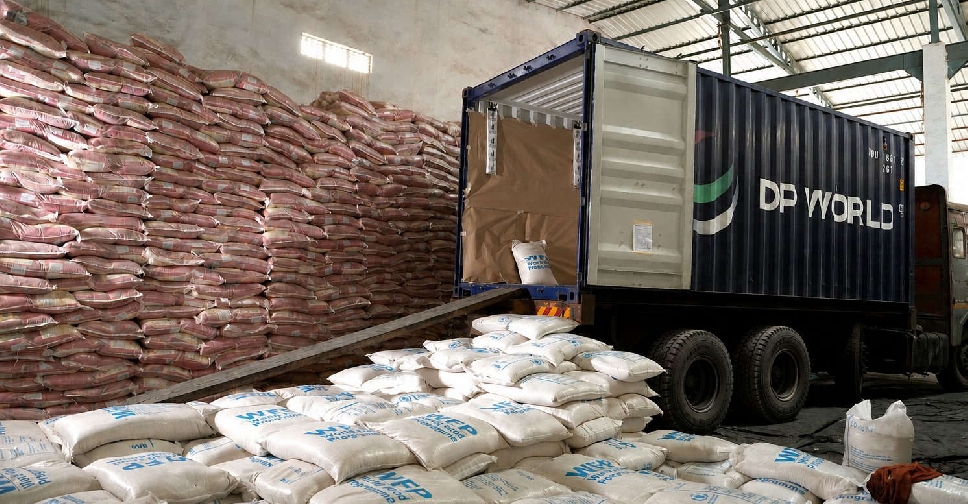
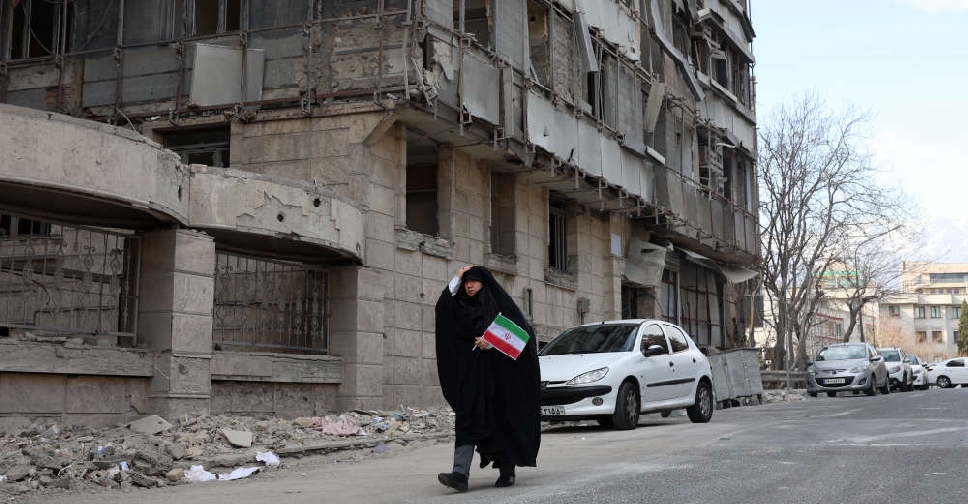
A World Health Organization official said on Monday that the U.S.-Israeli war on Iran has led to the evacuation of six hospitals but that so far the system appeared to be holding up and authorities have not sought emergency relief from the global health agency.
"The primary healthcare and the health infrastructure of Iran is quite good and robust, and they're able to accommodate the casualties as of now," WHO regional director Hanan Balkhy told Reuters.
Iran's ambassador to the U.N. in Geneva, Ali Bahreini, said on Monday that over 1,300 people have been killed since the February 28 conflict began and more than 7,000 people injured.
The WHO, which has an office in Tehran and helps Iranian authorities with disease management, has verified 18 attacks on health care and the killing of eight medics.
Balkhy said the WHO has contingency plans to move in emergency supplies should the situation deteriorate further.
One risk is that "black rain" caused by leaking toxic compounds from damaged oil facilities adds an additional burden on the healthcare system because of rising respiratory infections, she added.
South Korea and the United States will cut short annual joint military drills to five days from 11 and scale back some field training, the allies said on Wednesday, after President Donald Trump ordered a substantial reduction in US participation.
At least 100 people were killed when a low-tech artisanal gold mine collapsed in the Central African Republic on Tuesday, a senior official at a local mining association said.
An Israeli airstrike killed nine Palestinians at a police station in Gaza on Wednesday, medics said, two days after US envoy Jared Kushner ended a trip to the region that failed to push forward Donald Trump's plan to end the war in the enclave.
Thai schools conducted active shooter drills on Wednesday, as authorities moved to strengthen security measures two weeks after a 14-year-old opened fire at a school and killed at least eight people.

 Kenya tourist helicopter crash kills seven
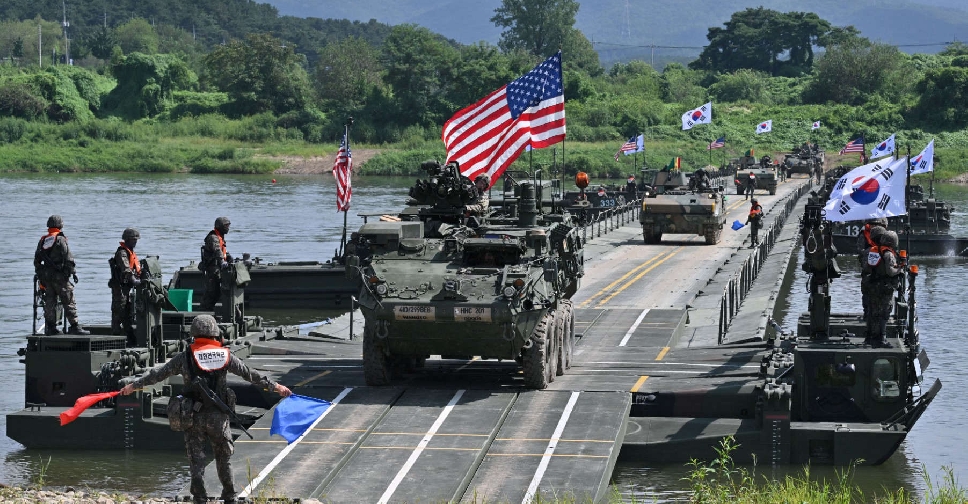 US, South Korea to cut length, scope of military drills after Trump order
 Central African Republic gold mine collapse kills at least 100
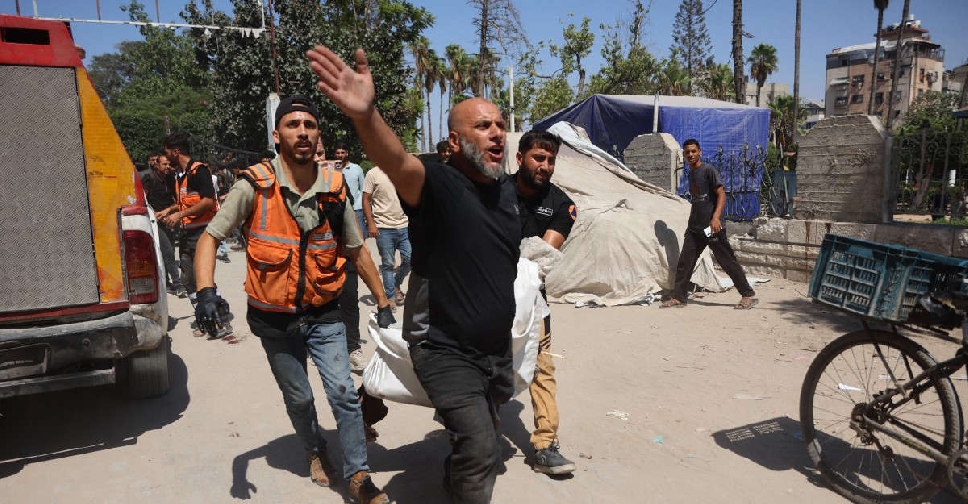 Israeli airstrike kills nine Palestinians at Gaza police station
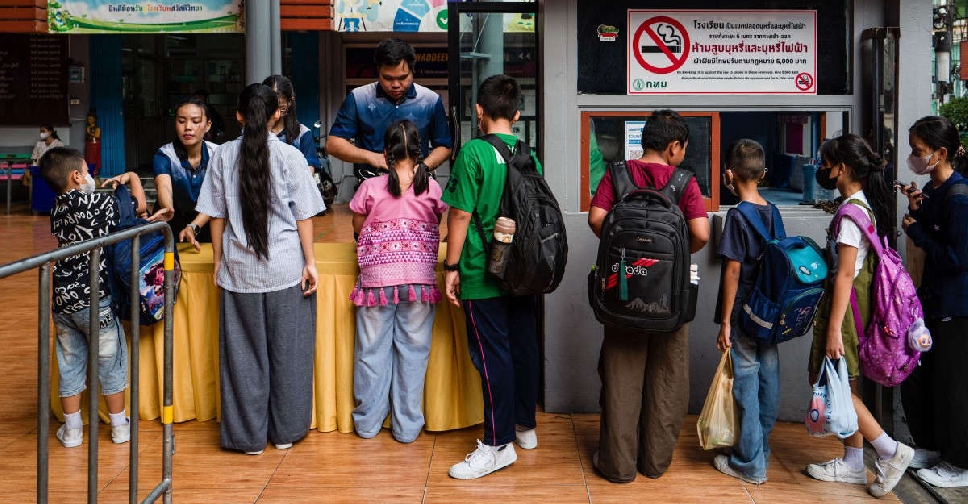 Thai schools hold shooting response drills after deadly school attack