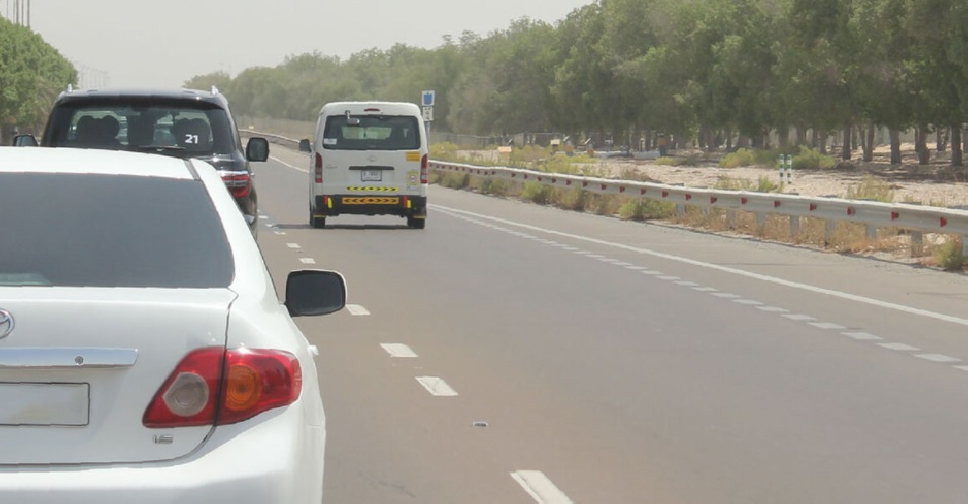
Abu Dhabi has approved a pilot of state-of-the-art scanners to immediately detect potential COVID-19 cases.
In a series of Tweets, the Abu Dhabi Emergency, Crisis and Disasters Committee said the new scanners will add to the precautionary measures, with no changes to the existing protocols.
During the pilot phase, the scanners will be positioned at select locations on Yas Island and at designated points to enter or exit Musaffah area.
If the scanner identifies a person as not infected, they will be permitted to enter. But, if a person is identified as potentially infected, they must conduct a PCR test within 24 hours, with all "red tests" marked as free.
The scanners will screen people at a distance and will be effective for mass screening, the authority added.
Abu Dhabi Emergency, Crisis & Disasters Committee has approved a pilot test of new scanners to identify potential #Covid_19 cases at select locations in the emirate pic.twitter.com/bKtigPJ8GK
— مكتب أبوظبي الإعلامي (@ADMediaOffice) June 16, 2021


 Air defences respond to incoming missile, drone threats on Tuesday
 Minor injuries reported after debris fire in Dubai's Al Badaa
 Drone targets Thuraya telecoms facility in Sharjah
 Abdullah bin Zayed condemns terror plot in Bahrain

