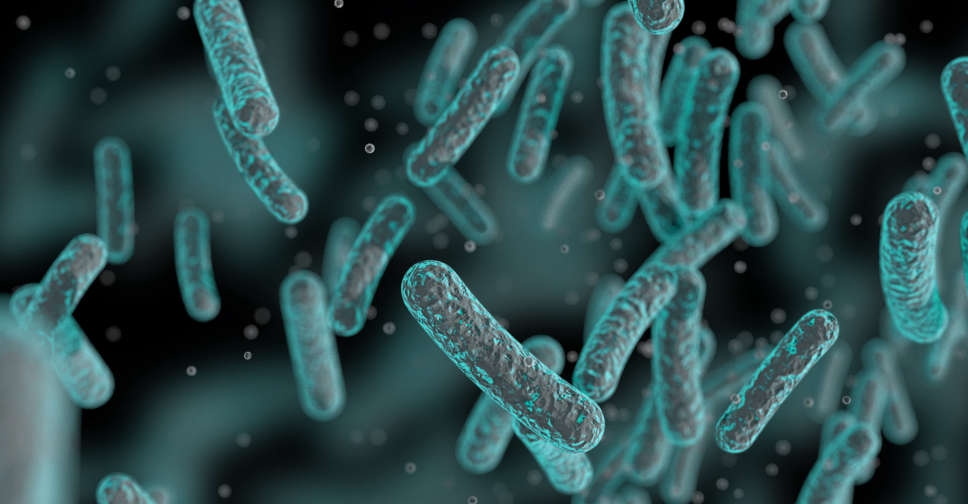
In a groundbreaking discovery, scientists have found a new use for ocean bacteria in battling climate change.
They have bolstered the bacteria's ability to capture and store carbon in the ocean, mitigating harmful greenhouse gas emissions.
Marine microorganisms, namely cyanobacteria, have been modified so that they can soak up CO2, the primary culprit driving global climate change.
The bacterium used, Prochlorococcus, is one of the most abundant photosynthetic organisms on the planet and is responsible for a significant portion of photosynthesis on Earth.
The re-engineered bacteria can absorb more CO2 even in conditions where there's less of the gas, and they store the carbon in their bodies instead of releasing it back into the environment.
This innovative line of research offers a unique approach to tackling excessive greenhouse gases in our atmosphere.
While more work is needed to ensure the safety and efficacy of this method, the preliminary findings offer a tantalising possibility in the combat against climate change. It also highlights the critical role nature can play in mitigating environmental issues.
At a zoo outside Tokyo, the monkey enclosure has become a must-see attraction thanks to an inseparable pair: Punch, a baby Japanese macaque, and his stuffed orangutan companion.
Penny, a 4-year-old Doberman pinscher, won Best in Show at the Westminster Kennel Club dog show on Tuesday, capturing the most prestigious dog show prize in the United States.
Giant pandas Xiao Xiao and Lei Lei arrived in Sichuan province on Wednesday, China's panda research base said in a social media post, leaving Japan without pandas for the first time since 1972 at a moment of tense relations between the two nations.
At Yiwu International Trade City, China’s largest wholesale market, customers crowd into a small shop searching for an unlikely bestseller ahead of the Lunar New Year.
French President Emmanuel Macron's aviator sunglasses have caught the eye, with social media users debating his choice of a "Top Gun" look as he criticised US President Donald Trump over Greenland during his speech in Davos.


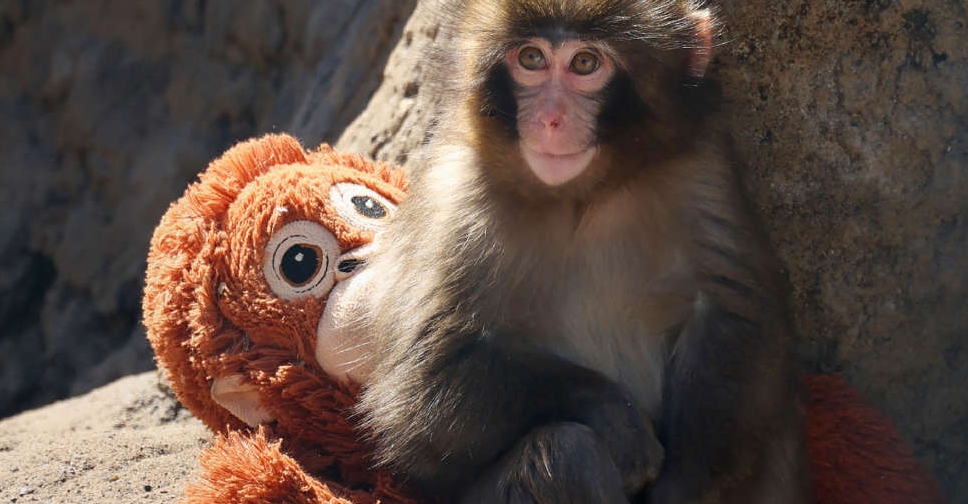 Abandoned baby monkey finds comfort in stuffed orangutan, charming zoo visitors
 Doberman named Penny wins Westminster dog show
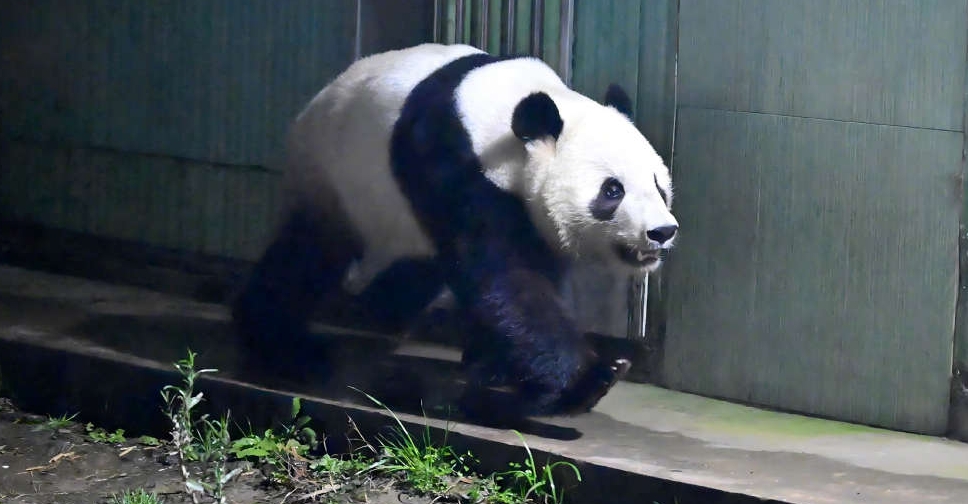 Japan-born pandas Xiao Xiao and Lei Lei arrive home in China's Sichuan
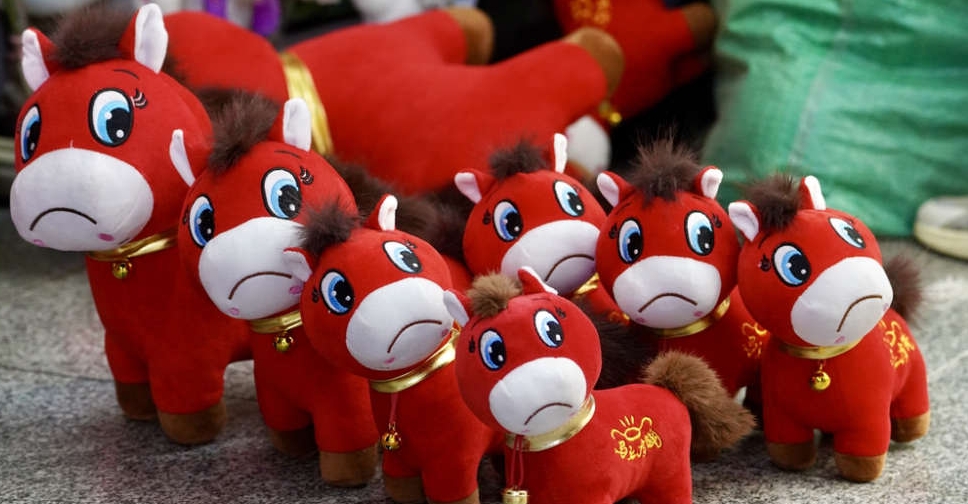 Accidental 'crying horse' toy wins hearts in China
 Macron's 'Top Gun' shades charm internet as leaders wrangle over Greenland