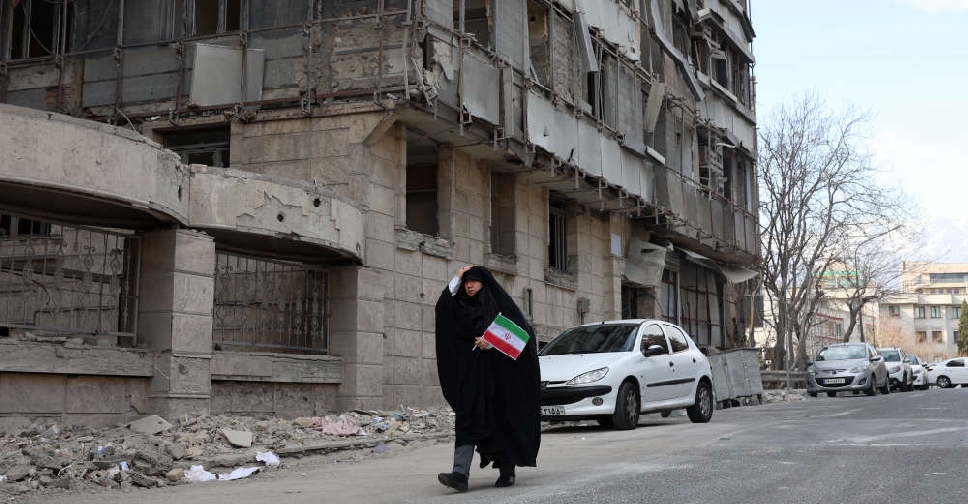
A World Health Organization official said on Monday that the U.S.-Israeli war on Iran has led to the evacuation of six hospitals but that so far the system appeared to be holding up and authorities have not sought emergency relief from the global health agency.
"The primary healthcare and the health infrastructure of Iran is quite good and robust, and they're able to accommodate the casualties as of now," WHO regional director Hanan Balkhy told Reuters.
Iran's ambassador to the U.N. in Geneva, Ali Bahreini, said on Monday that over 1,300 people have been killed since the February 28 conflict began and more than 7,000 people injured.
The WHO, which has an office in Tehran and helps Iranian authorities with disease management, has verified 18 attacks on health care and the killing of eight medics.
Balkhy said the WHO has contingency plans to move in emergency supplies should the situation deteriorate further.
One risk is that "black rain" caused by leaking toxic compounds from damaged oil facilities adds an additional burden on the healthcare system because of rising respiratory infections, she added.
Indonesian rescuers were searching on Sunday for 130 people from a passenger ship that sank in the Java Sea after 113 others were evacuated, the country's search and rescue agency said, adding that six people had died.
At least five people were wounded in a Russian attack on the Ukrainian city of Odesa on Sunday morning, officials said, a day after strikes on the city killed two people.
Authorities in the Philippines said on Sunday it could take weeks or months to identify the victims of a ferry fire that killed 76 people, as forensic experts begin collecting and comparing DNA samples and investigators determine the cause.
Saudi Arabia shut its East-West oil pipeline on Friday after it was hit in a drone attack, disrupting a key route used to bypass shipping problems in the Strait of Hormuz.

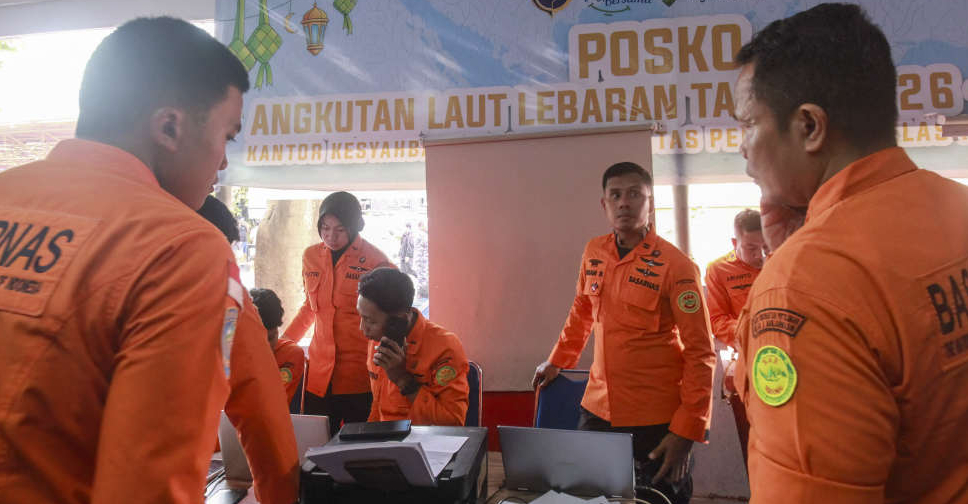 Rescuers search for 130 people after Indonesia passenger ship sinks; six dead
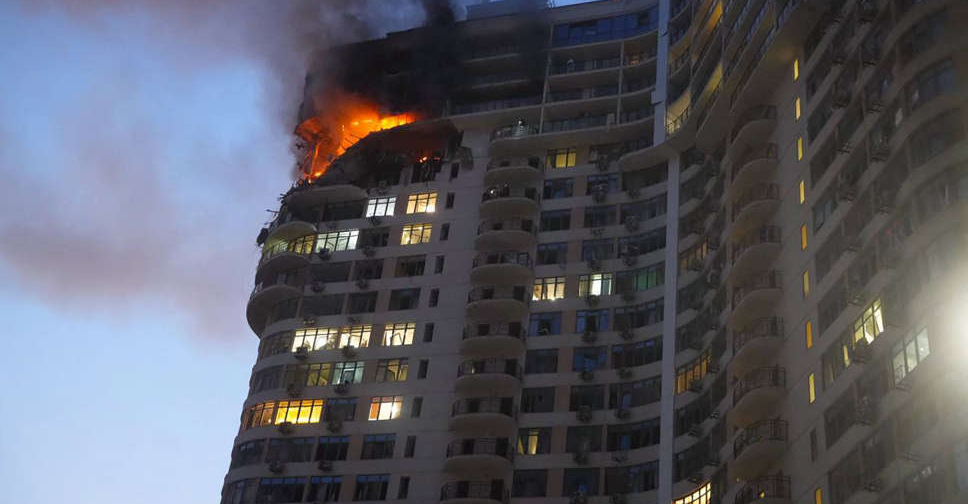 Russian drone attack injures five in Ukraine's Odesa, officials say
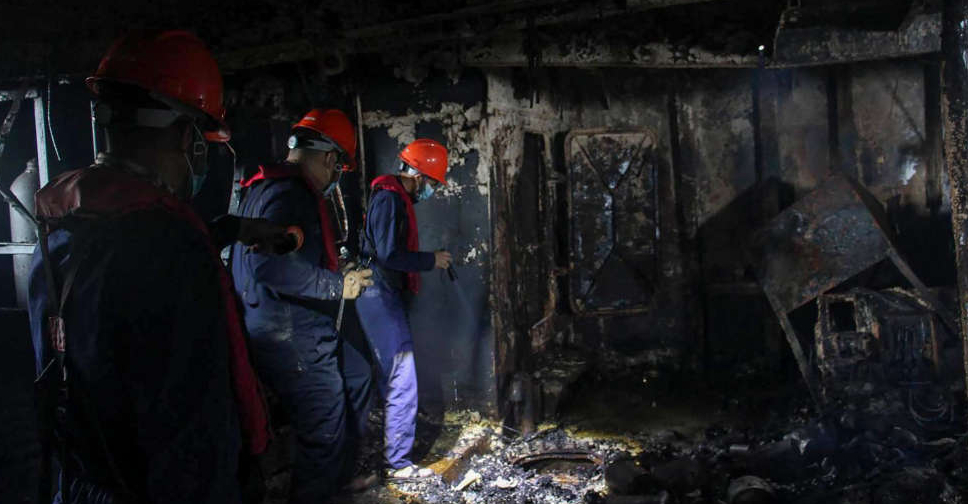 Philippine ferry fire victims may take months to identify, authorities say
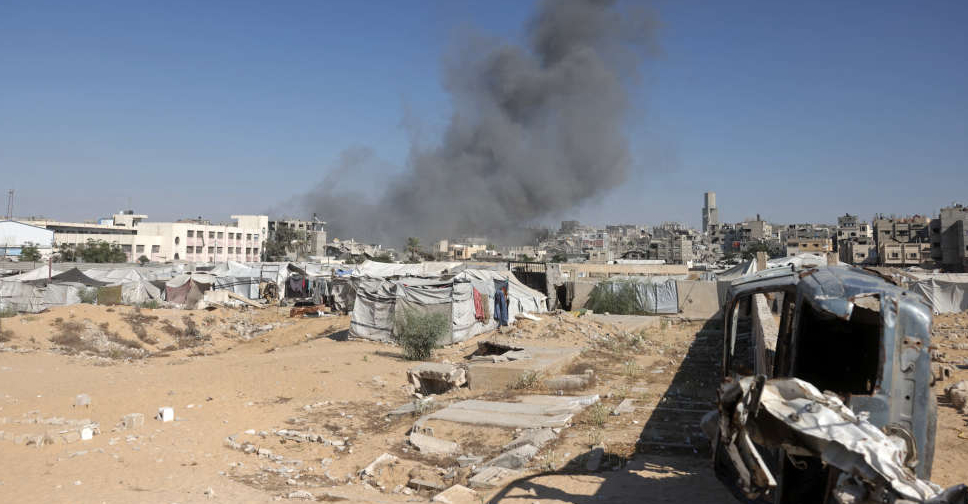 Israeli strike kills two people in Gaza, medics say
 Saudi Arabia shuts key oil pipeline after drone attack