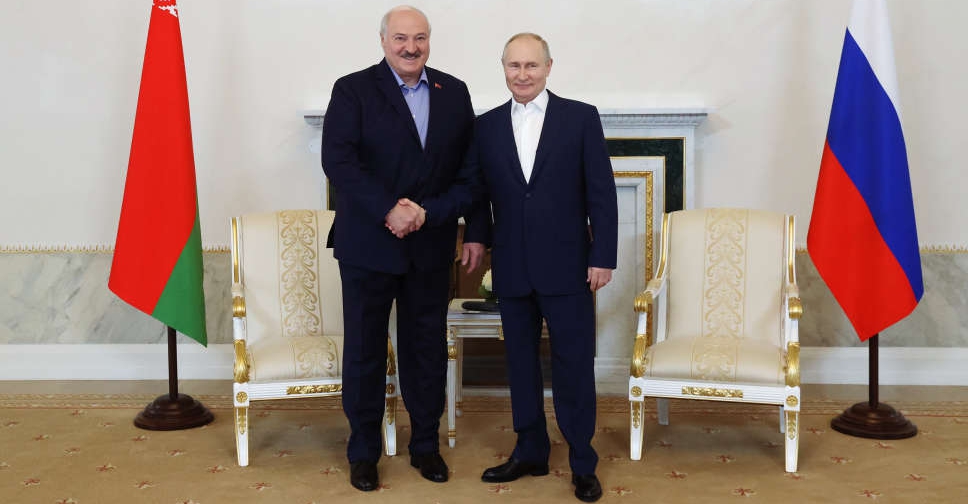
Russian President Vladimir Putin said Ukraine's counteroffensive "has failed" as he hosted Belarusian leader Alexander Lukashenko, his close ally, for talks in St Petersburg on Sunday.
"There is no counter-offensive," Russian news agencies quoted Lukashenko as saying.
Putin replied: "It exists, but it has failed."
Ukraine began its long-anticipated counter-offensive last month but has so far made only small gains against well entrenched Russian forces who control more than a sixth of its territory after nearly 17 months of war.
US General Mark Milley, chair of the Joint Chiefs of Staff, said on Tuesday the Ukrainian drive was "far from a failure" but would be long, hard and bloody.
A Telegram channel linked to Lukashenko quoted him as saying in a jocular tone that fighters of Russia's Wagner mercenary group who are now training Belarus's army were keen to push across the border into NATO member Poland.
"The Wagner guys have started to stress us - they want to go west. 'Let's go on a trip to Warsaw and Rzeszow'," he was quoted as saying. There was no indication that Lukashenko was seriously entertaining that idea.
Poland is moving extra troops towards the border with Belarus in response to the arrival of Wagner forces who relocated there after a short-lived mutiny in Russia last month.


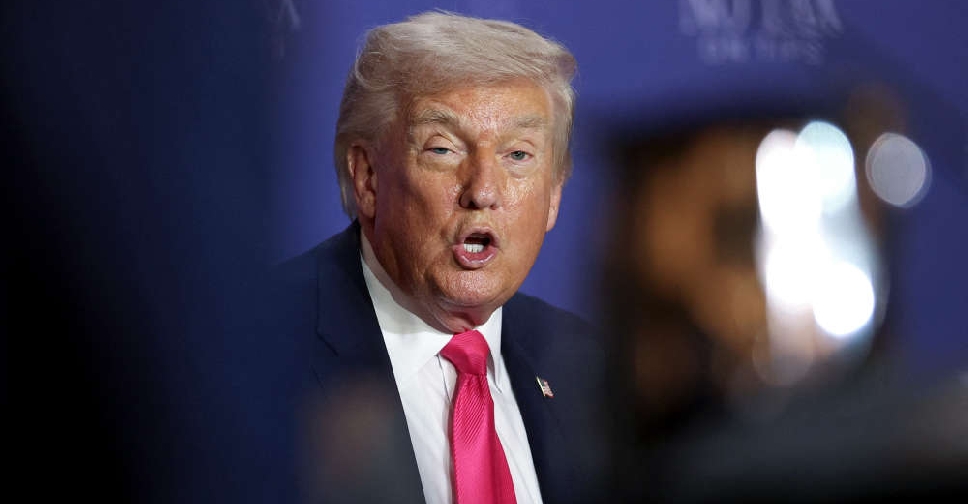 Trump says Israel banned from bombing Lebanon
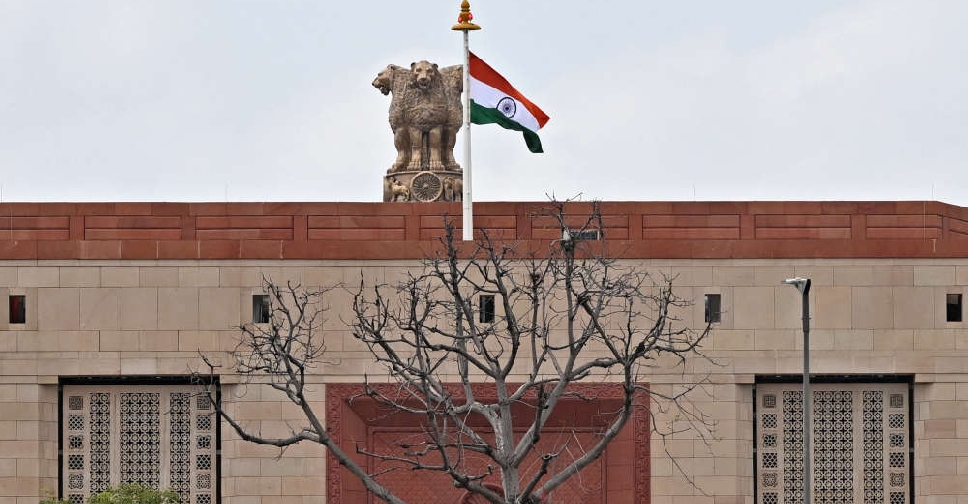 India fails to pass parliament expansion bill linked to quotas for women
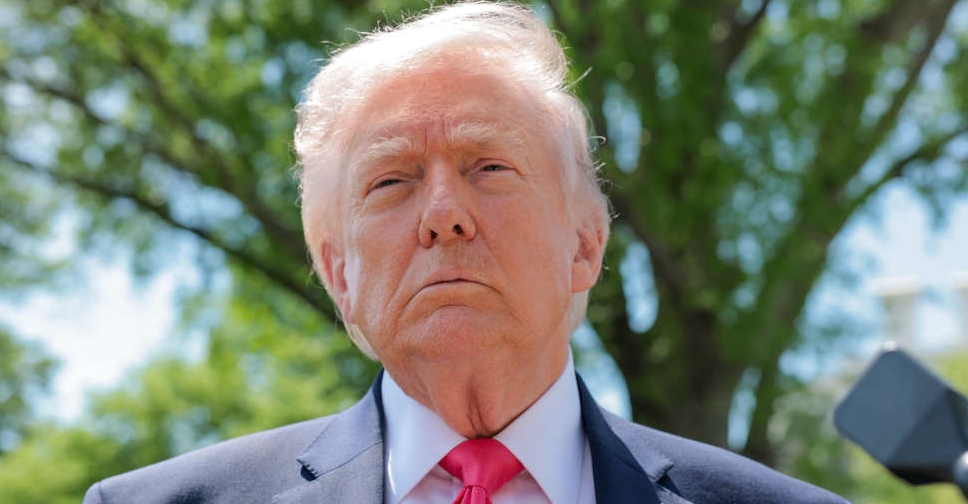 Trump says blockade on Iran 'in full force' until deal is reached
 Iran says Strait of Hormuz open as Trump sees deal 'soon' to end war
 Lebanese return home as ceasefire with Israel mostly holds