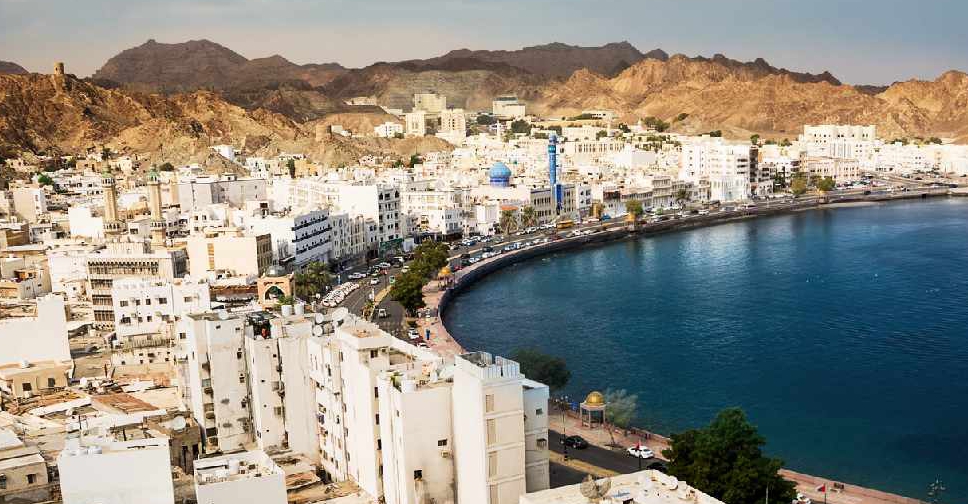
Oman is advising all citizens and residents to avoid travelling abroad during the forthcoming period, except in cases of extreme emergency.
In a series of new restrictions to combat the spread of the COVID-19 virus, the Sultanate’s Supreme Committee recommended restricting official international travel for citizens and residents as well.
All social events have been banned, and the "return of students to universities and colleges" has been postponed, the official Omani news agency reported.
International events, sports and other activities will remain suspended.
The new rules come into effect on Thursday January 28, and will remain in place until further notice.
Meanwhile, all land borders in Oman remain closed for an additional week until 6:00 pm on February 1.
So far, Oman has recorded 133,574 cases, with the number of recoveries at 126,486 and fatalities at 1,525.
The US Central Command said it will begin implementing a blockade of all maritime traffic entering and exiting Iranian ports on April 13 at 10 a.m. ET (1400 GMT), after President Donald Trump said the US Navy would start blockading the Strait of Hormuz.
Hungary's veteran nationalist leader Viktor Orban lost power to the upstart centre-right Tisza party in Sunday's national election after 16 years in office, marking a setback for his allies in Russia and US President Donald Trump's White House.
President Donald Trump said on Sunday the US Navy would immediately start blockading the Strait of Hormuz, raising the stakes after marathon talks with Iran failed to reach a deal to end the war, jeopardising a fragile two-week ceasefire.
At least 200 people are feared dead after Nigerian military jets struck a village market while pursuing rebels in the northeast of the country on Saturday night, a councillor for the area and residents said on Sunday.
Russia and Ukraine accused each other on Sunday of breaching the 32-hour ceasefire in their four-year war, reporting more than a thousand drone and shelling attacks just hours after the truce began on Saturday to mark Orthodox Easter.


 US military to begin Iran maritime blockade on Monday
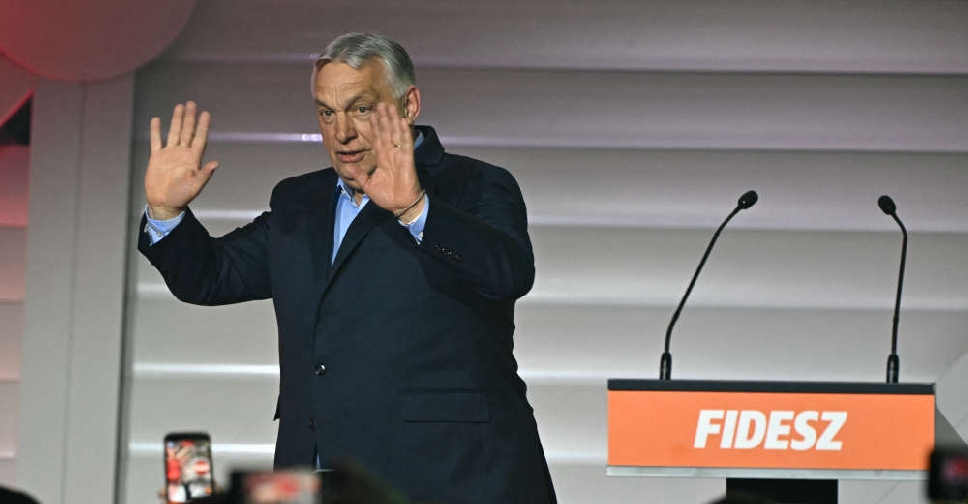 Orban ousted after 16 years as Hungarians flock to pro-EU rival
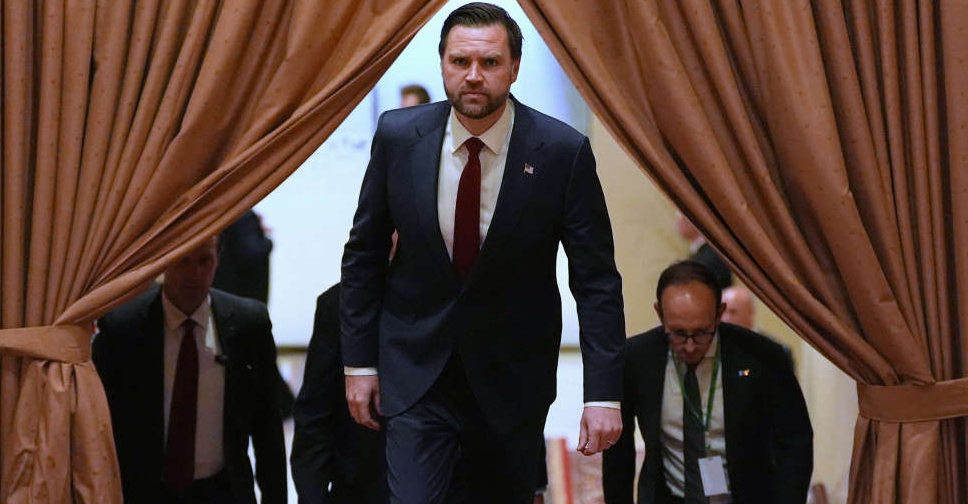 Trump vows to blockade Strait of Hormuz after Iran peace talks stumble
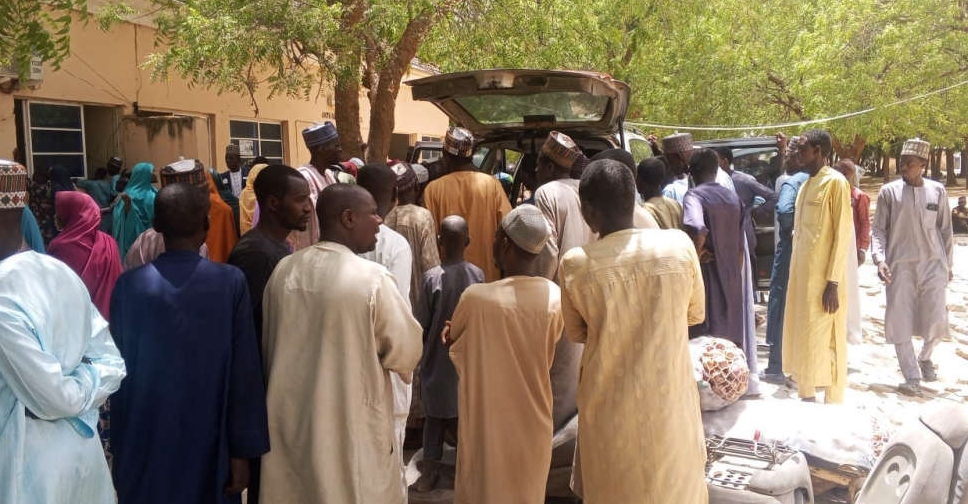 Nigerian airstrike hits market, 200 feared dead
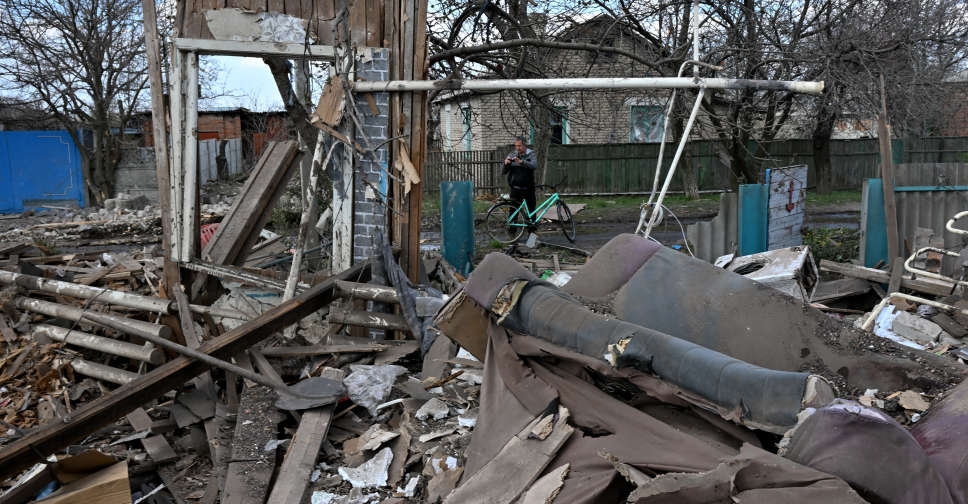 Russia, Ukraine trade accusations of ceasefire violations