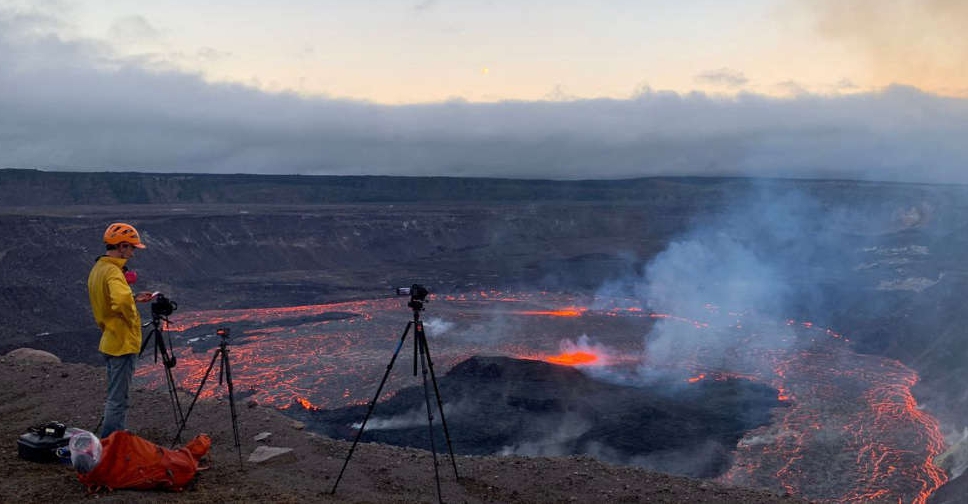
The Kilauea volcano in Hawaii has begun erupting, the U.S. Geological Service's volcanic activity notice said, after detecting a glow in the summit producing smog that is confined within the Hawaii Volcanoes National Park.
The volcano alert level was raised to 'Red' after an evaluation of the eruption and associated hazards, the notice said.
USGS said the volcanic gas, which consists of sulphur dioxide and other gases, could produce a visible haze of volcanic smog, known as 'vog', which has been observed in the downwind of Kilauea.
Vog has the potential to generate airborne health hazards for residents and visitors, causing breathing difficulties and also damaging agricultural crops.
Known to be the younger and more active neighbor of Mauna Loa, which erupted in November for the first time since 1984, the Kilauea volcano has been erupting since 2021.
However, Mauna Loa's eruption has had no impact and remains quiet, USGS said.


 Search expands after Philippine ferry fire kills five and leaves dozens missing
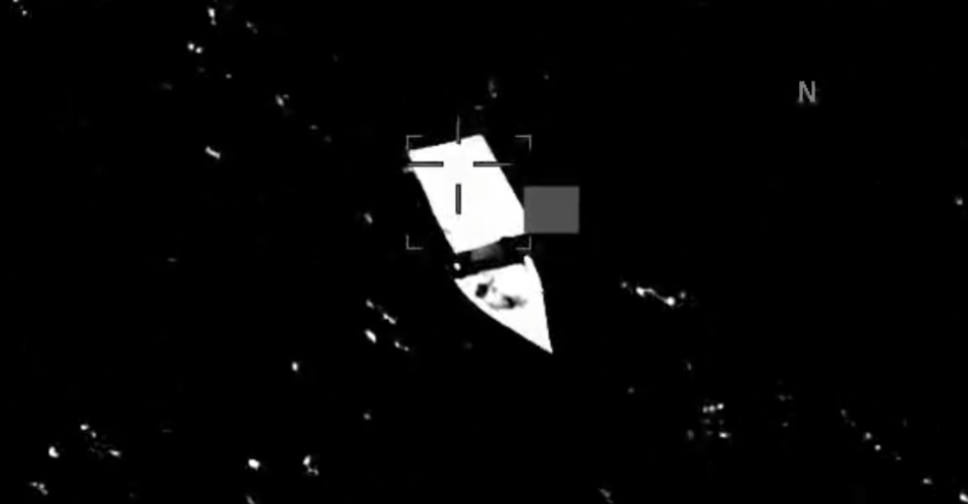 US military says it struck vessel in Caribbean, killing 3
 At least 14 killed in explosion at weapons depot in Syria
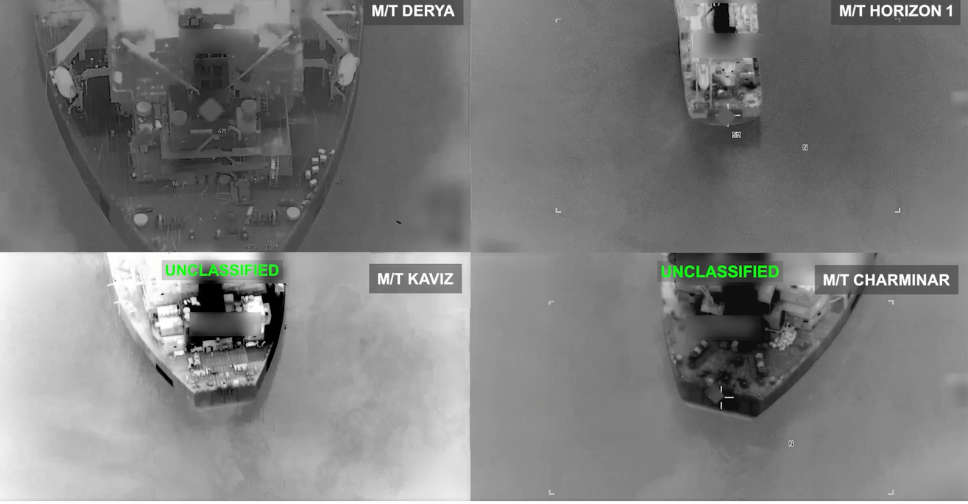 US hits five Iranian oil tankers after attack on Navy ships
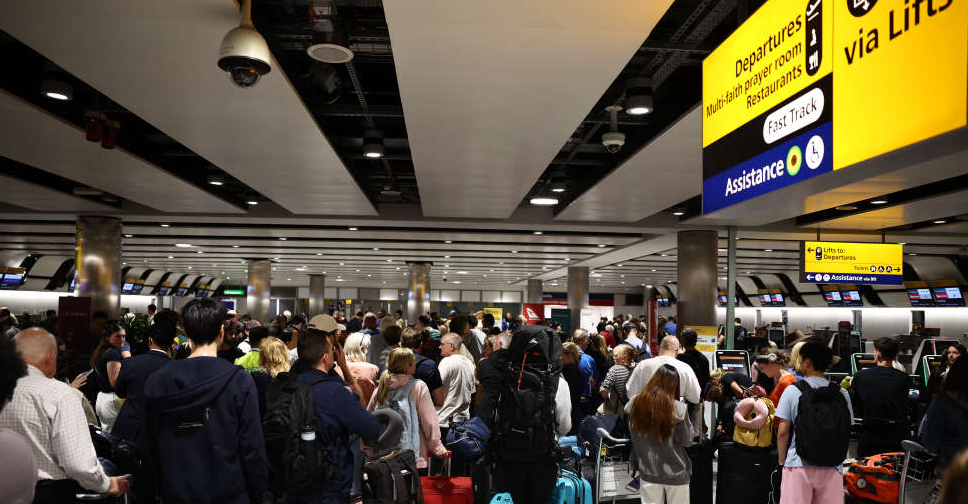 UK gives air traffic provider a week to probe outage that halted flights