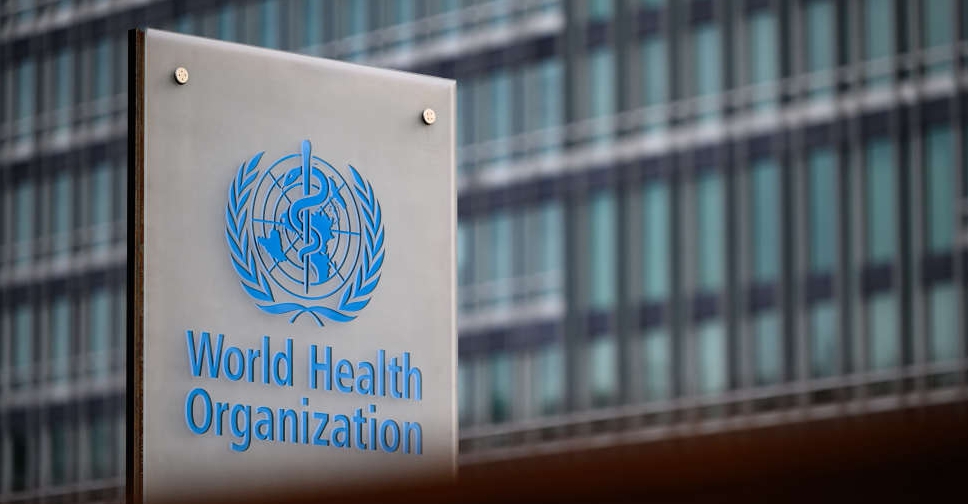
COVID-19 no longer represents a global health emergency, the World Health Organization said on Friday.
It's a major step towards the end of the pandemic that has killed more than 6.9 million people, disrupted the global economy and ravaged communities
The WHO's emergency committee first declared that COVID represented its highest level of alert more than three years ago, on January 30, 2020.
The status helps focus international attention on a health threat, as well as bolstering collaboration on vaccines and treatments.
Lifting it is a sign of the progress the world has made in these areas, but COVID-19 is here to stay, the WHO has said, even if it no longer represents an emergency.
The death rate has slowed from a peak of more than 100,000 people per week in January 2021 to just over 3,500 in the week to April 24, according to WHO data.
President Donald Trump said talks with Iran to end the war could soon resume and end in a deal, telling the world to watch out for an "amazing two days", while US forces imposing a blockade turned back vessels leaving Iranian ports.
At least 17 people died and 36 others were injured following a suspected boiler explosion at a power plant operated by India's Vedanta Ltd in the central Indian state of Chhattisgarh, a government official said on Wednesday.
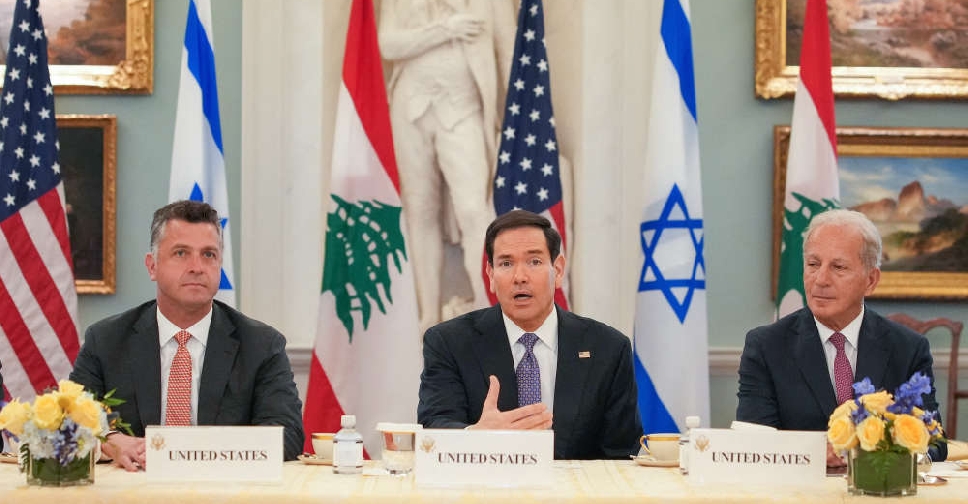
US Secretary of State Marco Rubio hosted a rare meeting between Israeli and Lebanese envoys in Washington on Tuesday, saying he hoped the two countries would agree to a framework for a peace process, even as Israel pressed its war on Hezbollah.
Negotiating teams from the US and Iran could return to Islamabad this week to resume talks to end the war, sources told Reuters on Tuesday, after the collapse of weekend negotiations prompted Washington to impose a blockade on Iranian ports.
Around 250 people were missing after a boat carrying Rohingya refugees and Bangladeshi nationals capsized in the Andaman Sea, the United Nations' refugee and migration agencies said in a joint statement on Tuesday.


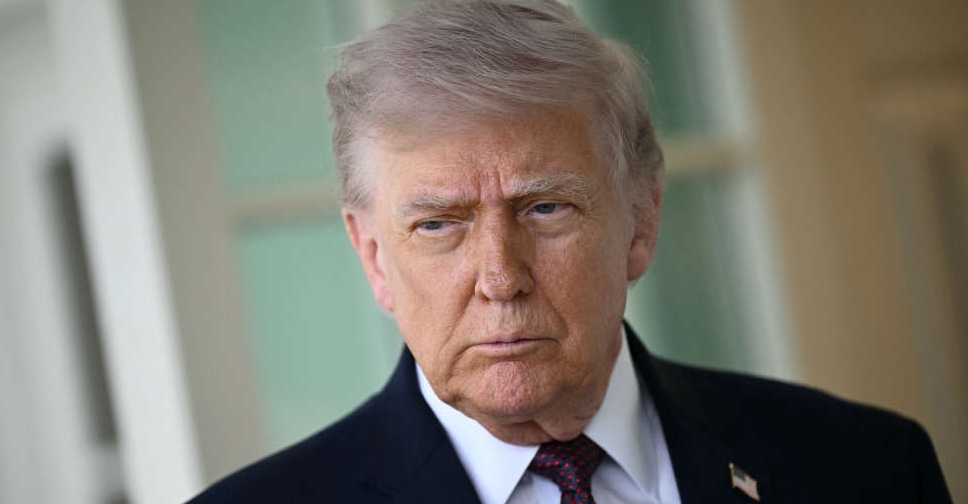 Trump says talks with Iran could resume soon, as US blockades Iranian ports
 India Vedanta power plant blast kills at least 17
 US hosts Lebanese and Israeli envoys as Israel presses war on Hezbollah
 US, Iran may resume talks this week despite port blockade
 Around 250 missing after Rohingya boat capsizes in Andaman Sea