
Human-induced climate change has played an "absolutely overwhelming" role in the extreme heatwaves that have swept across North America, Europe and China this month, according to an assessment by scientists published on Tuesday.
Throughout July, extreme weather has caused havoc across the planet, with temperatures breaking records in China, the US and southern Europe, sparking forest fires, water shortages and a rise in heat-related hospital admissions.
Over the weekend, thousands of tourists were evacuated from the Greek island of Rhodes to escape wildfires caused by a record-breaking heatwave.
Without human-induced climate change, the events this month would have been "extremely rare", according to a study by World Weather Attribution, a global team of scientists that examines the role played by climate change in extreme weather.
"European and North American temperatures would have been virtually impossible without the effects of climate change," said Izidine Pinto of the Royal Netherlands Meteorological Institute, one of the study's authors, during a briefing with journalists. "In China it was around 50 times more likely to happen compared to the past."
The World Weather Attribution team estimated that rising greenhouse gas concentrations made the European heatwave 2.5 Celsius hotter than it would otherwise have been. They also drove up the North American heatwave by 2C and the one in China by 1C.
As well as directly impacting human health, the heat has caused large-scale crop damage and livestock losses, the scientists said, with US corn and soybean crops, Mexican cattle, southern European olives as well as Chinese cotton all severely affected.
El Nino probably contributed to the additional heat in some regions, but rising greenhouse gases were the major factor, the scientists said, and heatwaves will become increasingly likely if emissions are not slashed.
They estimated that prolonged periods of extreme heat were likely to hit every two to five years if average global temperatures rise 2C above pre-industrial levels. Average temperatures are currently estimated to have risen more than 1.1C.
"The events we have looked at are not rare in today's climate," said Friederike Otto, a scientist with the Grantham Institute for Climate Change in London, speaking at the briefing. "It's not surprising from a climatological point of view, that these events are happening at the same time.
"As long as we keep burning fossil fuels we will see more and more of these extremes. I don't think there's any stronger evidence that any science has ever presented for a scientific question."


 Trump says Israel banned from bombing Lebanon
 India fails to pass parliament expansion bill linked to quotas for women
 Trump says Iran ceasefire may end if no deal by Wednesday, blockade remains
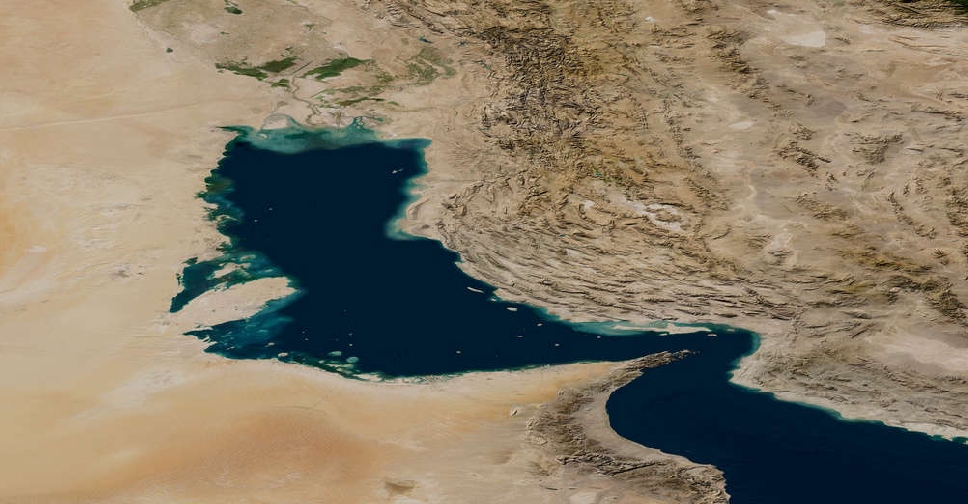 Iran says Strait of Hormuz open as Trump sees deal 'soon' to end war
 UNICEF says Israeli fire kills two Gaza water truck drivers