The World Bank projects the economic growth rate of Gulf countries will reach 3.4 per cent in 2025, rising to 4.1 per cent in 2026, compared to an expected 3.3 per cent growth rate for the Middle East and North Africa (MENA) region as a whole.
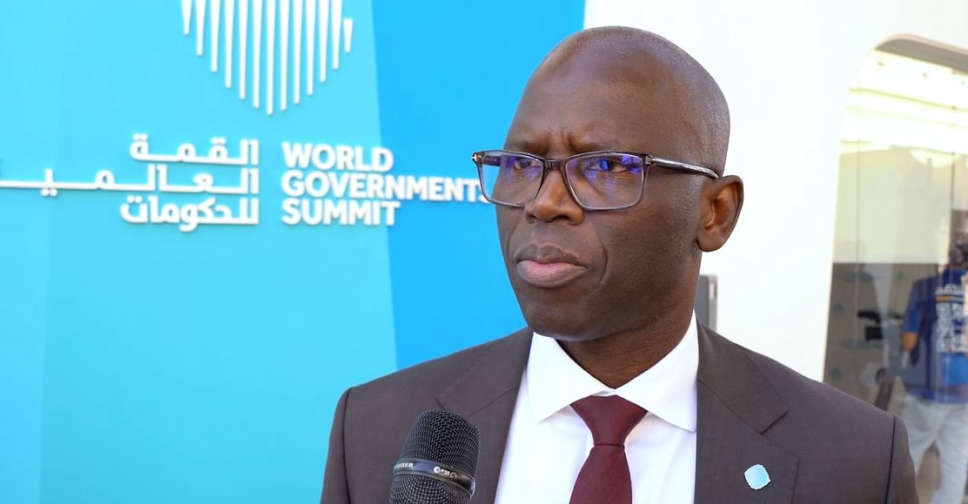
Ousmane Dione, World Bank Vice President for the Middle East and North Africa, stated that while the region’s economic outlook remains positive, growth rates will vary between oil-producing and oil-importing countries.
Speaking to the Emirates News Agency (WAM) on the sidelines of the World Governments Summit 2025 (WGS) in Dubai, Dione highlighted GCC countries maintain a strong economic position thanks to their diversification efforts. In contrast, other countries in the region continue to face challenges related to conflicts and instability.
He noted Gulf economies benefit from substantial investments in non-oil sectors, providing them with a competitive advantage over countries struggling with geopolitical instability.
Separately, Dione discussed the Memorandum of Understanding signed between the World Bank and the Mohamed bin Zayed Water Initiative. He stated that this partnership aims to address water security challenges in the region and beyond.
He also highlighted that the MENA region accounts for approximately 55 per cent of the world’s desalinated water production.
However, he emphasised the importance of exploring alternative solutions such as water reuse, improved resource management, and integrating artificial intelligence and modern technologies to track leaks and enhance smart irrigation systems for greater efficiency.

 Abu Dhabi unveils major AI training programme for government and public
 IMF reaches staff deal with Pakistan, potentially unlocking $1.2 billion
 African Union launches continent's first credit rating agency
 e& reverts to Etisalat to pay homage to 50 years in business
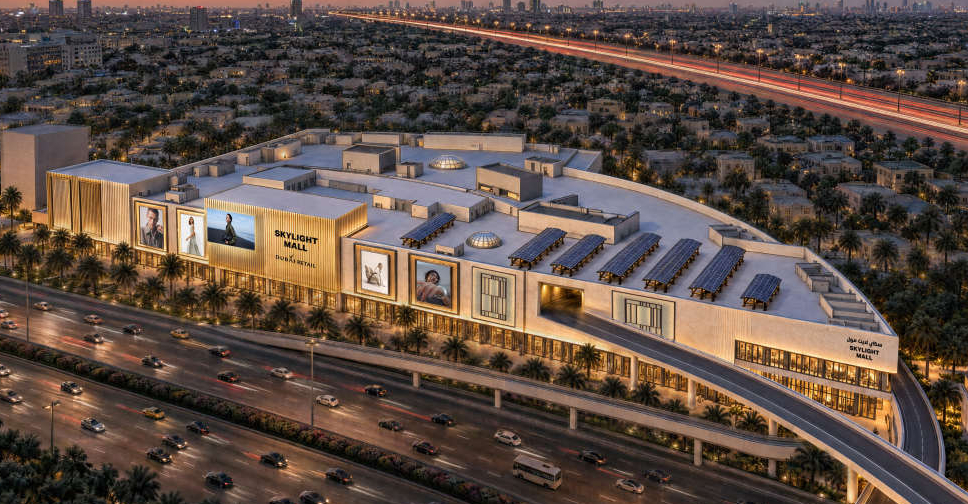 Dubai Retail to open new mall on Al Khail Road in 2027