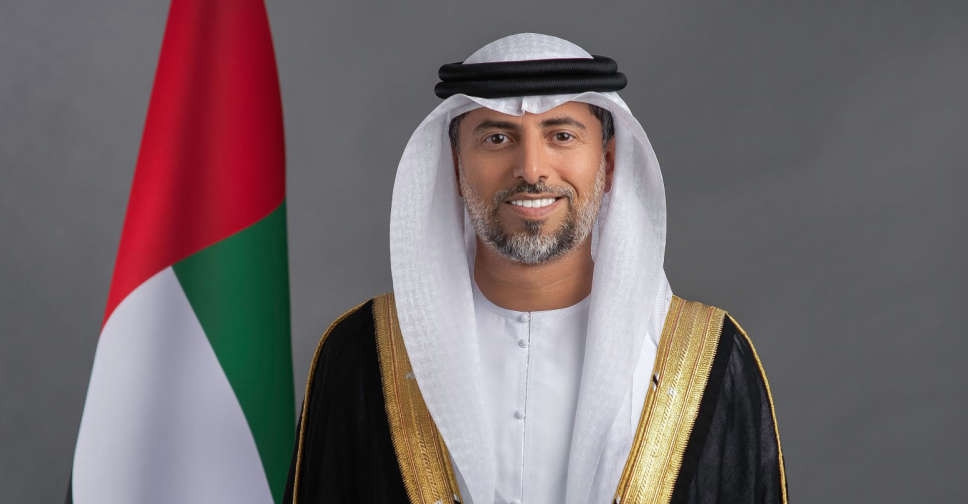
The UAE’s transport and supply chain system continues to operate efficiently, affirmed Suhail Mohamed Al Mazrouei, Minister of Energy and Infrastructure, adding that it reflects the country's "high level of resilience in addressing regional challenges".
Since the beginning of the Iran war, the UAE has handled over 262,000 containers, alongside the operation of 4,800 trucks daily between Gulf coast ports and the eastern coast, Al Mazrouei confirmed, adding that around 1,200 vessels were monitored within UAE waters.
A specialized team was set up to run a national operations room 24|7. This helped to monitor shipment movements in real time, prioritise vessel entry and departure in coordination with the Ministry of Economy, and address operational challenges immediately. It also redistributed routes based on operational levels.
Under a support package, the UAE lifted movement restrictions and introduced fee exemptions to reduce transit times between the Gulf coasts.
The Supply and Transport Committee has been credited to run the entire system under a comprehensive national framework that ensures direct operational connectivity between ports, land border crossings, and the railway network.
On infrastructure investments, Al Mazrouei highlighted that capacity at eastern coast ports has increased twentyfold, daily truck movement has risen thirtyfold compared to previous levels, cooling points have expanded from 490 to over 2,400 electrical outlets, and the number of cranes has exceeded 30. Additionally, more than 7 million square meters of storage space have been provided, along with dedicated areas at Fujairah Port to handle over 2.8 million metric tonnes of bulk cargo arriving from GCC countries.

 UAE Cabinet approves AED 292.5 billion for 2027-2029
 Dubai arrests group over fake Google reviews targeting company
 UAE to train 50 young content creators on water sustainability
 UAE condemns continued Houthi attacks on Riyadh airport

