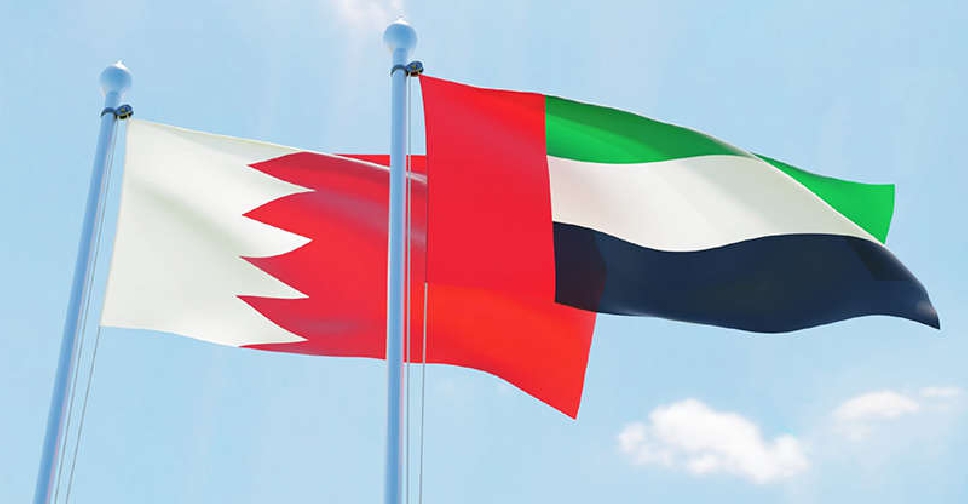
A nanosatellite that is being jointly developed by UAE and Bahrain, will be sent into space on December 21.
Called Light-1, the satellite will monitor and study terrestrial gamma ray flashes from thunderstorms and cumulus clouds.
It is part of an emerging field in geoscientific research that will be launched to the International Space Station
The spacecraft was developed by 23 students, including 14 Emiratis from Khalifa University and New York University Abu Dhabi and nine Bahraini nationals.
The development was a collaboration between the UAE Space Agency and Bahrain's National Space Science Agency (NSSA).
It will be sent onboard a SpaceX, Falcon 9 rocket under supervision from the Japanese Aerospace Space Agency (JAXA).
Light-1’s name was inspired by King Hamad bin Isa Al Khalifa of Bahrain's book, The First Light. The name reportedly symbolises Bahrain's growth and scientific progress.
Bahrain is a member of the Arab Space Cooperation Group, an initiative adopted to promote cooperation on space among Arab countries. It has 14 member states and is headquartered in Abu Dhabi.


 UAE intercepts 11 ballistic missiles, 27 drones on Monday
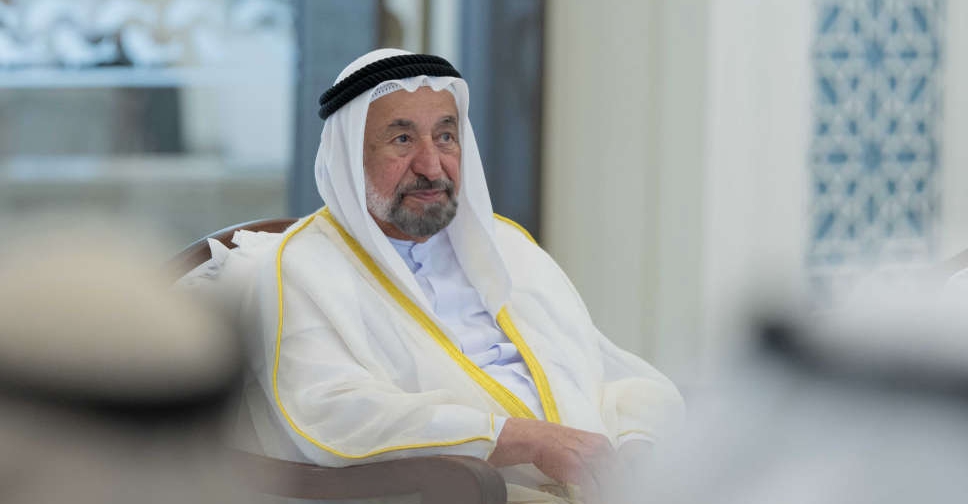 Sheikh Sultan establishes Sharjah Space and Astronomy Complex
 Dubai Police return over 171,000 lost items to owners in 2025
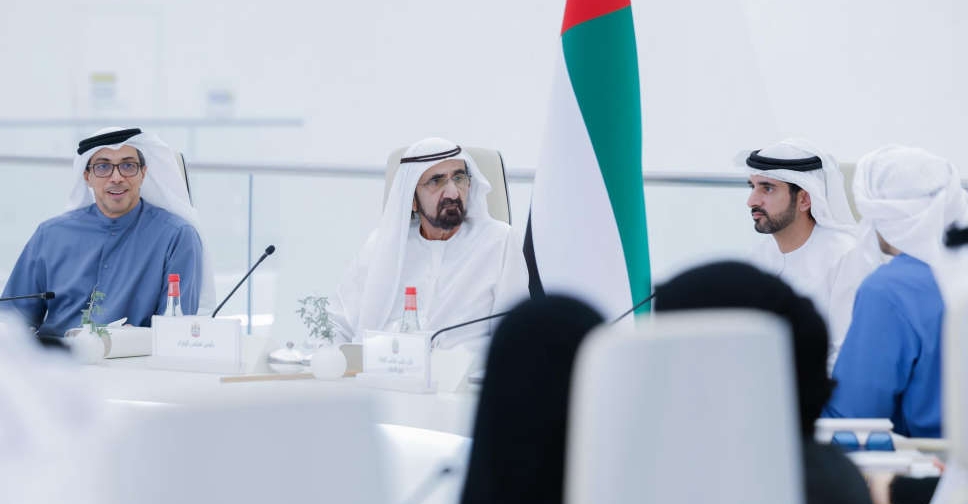 UAE 'will emerge stronger' says H.H. Sheikh Mohammed, Cabinet approves new strategies

