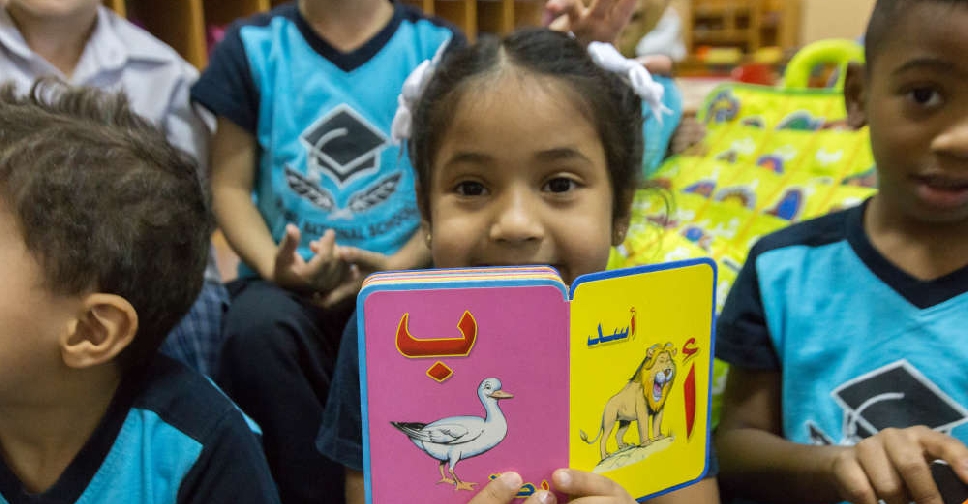
Dubai’s Knowledge and Human Development Authority (KHDA) has introduced a new policy to enhance Arabic language education in early childhood.
This initiative mandates Arabic language education for children aged birth to six years at all private schools and early childhood centres in Dubai.
The move aims to help children develop their Arabic language skills from an early age, making learning both fun and culturally enriching, as well as nurturing pride in Emirati culture, language and heritage.
It encourages a play-based, inquiry-driven approach to Arabic teaching and requires schools and early childhood centres to offer diverse learning models to meet the needs of both native and non-native speakers.
At least one-third of instructional time will involve Arabic teachers engaging children with interactive, culturally relevant activities.
Additionally, schools must ensure Arabic teachers are qualified and supported with professional development. Parents are also encouraged to support their children’s language learning both at school and at home.
The policy will be rolled out in phases, starting in September 2025, with the first phase focusing on Arabic education for children aged four to six. Additional phases will extend to all children from birth to six years in the coming years.
This latest initiative is a key component of 'Loughat Al Daad', one of the 28 initiatives under Dubai’s Education 33 strategy.
'Daad' refers to a letter and sound unique to the Arabic language, and 'Loughat Al Daad' translates to "the language of Daad," focusing on improving Arabic language acquisition and deepening understanding of UAE culture and heritage.
Fatma Belrehif, CEO of the Education Quality Assurance Agency at the KHDA, said that instilling a love for the Arabic language from early education ensures that all children, whether Emirati, Arab, or non-native speakers, can immerse themselves in the UAE’s language and culture.
Additionally, the KHDA has also updated the requirements for the teaching of national mandatory subjects, including Arabic, Islamic Education, Social Studies, and Moral Education from Grade 1/Year 2 to Grade 12/Year 13 in Dubai private schools.
Updates include increased instructional time and changes in the language of instruction for Islamic Education, Social Studies, and Arabic for Arab students, and updates on UAE Social, Moral, and Cultural Studies for non-Arab students.
These changes will come into effect from September 2025 for schools that start their academic year in September, and April 2026 for schools that start their academic year in April.

 UAE condemns continued Houthi attacks on Riyadh airport
 UAE carriers extend flight cancellations to Saudi Arabia amid regional disruption
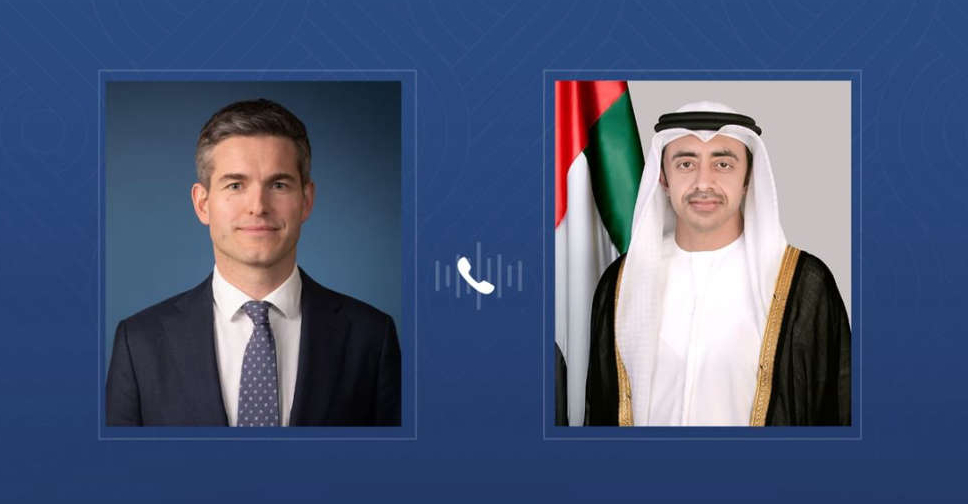 Sheikh Abdullah, Dutch FM discuss strengthening economic relations
 Fire contained at warehouse in Abu Dhabi's Al Dhafra area

