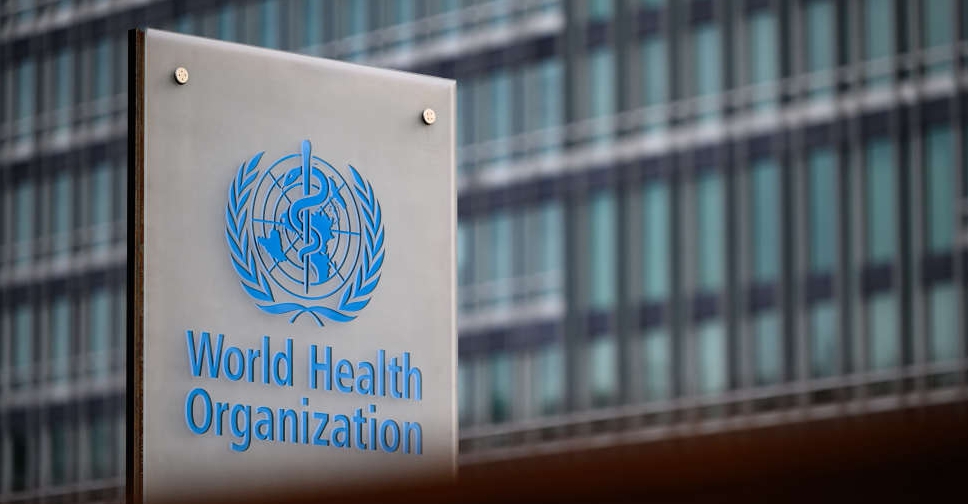
The World Health Organisation said it received pledges worth $700 million (AED 2.5 billion) for its 2025-2028 budget at a event in Berlin on Monday, in addition to $300 million (AED 1.1 billion) already pledged by the European and African Unions.
"The COVID-19 pandemic demonstrated that when health is at risk, everything is at risk," WHO head Tedros Adhanom Ghebreyesus said at the event. "Investments in WHO are therefore investments not only in protecting and promoting health, but also in more equitable, more stable and more secure societies and economies."
Germany said it would provide at least 360 million euros ($392.47 million). It and the United States are the biggest country donors to the Geneva-based organization.
"Recently, just a handful of countries have provided large amounts of funding," German Chancellor Olaf Scholz said. "It would be better for us to spread the responsibility across many more shoulders."
"Every contribution counts – no matter how small."
WHO members agreed two years ago to overhaul its funding model which has been described as "fundamentally rotten" due to its over-reliance on the whims of donors.
The agreement means obligatory fees should rise to up to 50 per cent of the budget by 2030-2031 from just 16 per cent in recent years.

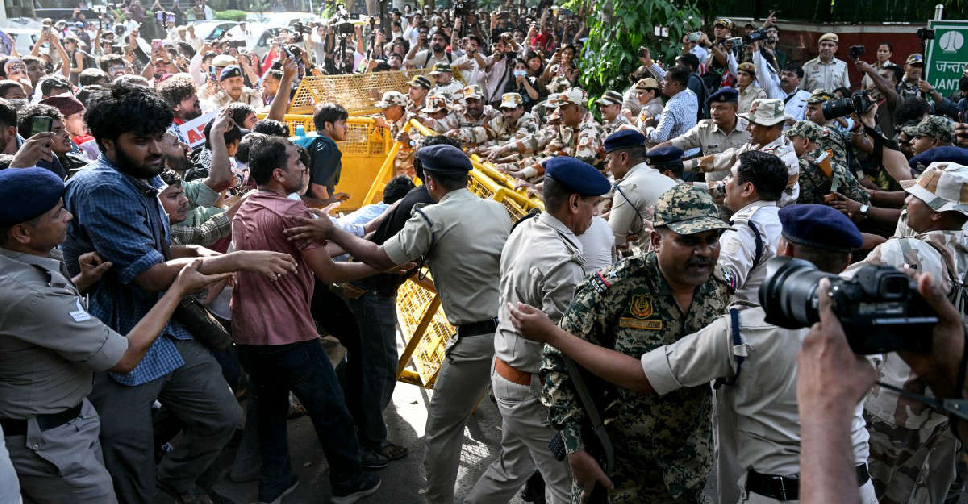 Several people detained in India's Gen Z-led protests against voter roll changes
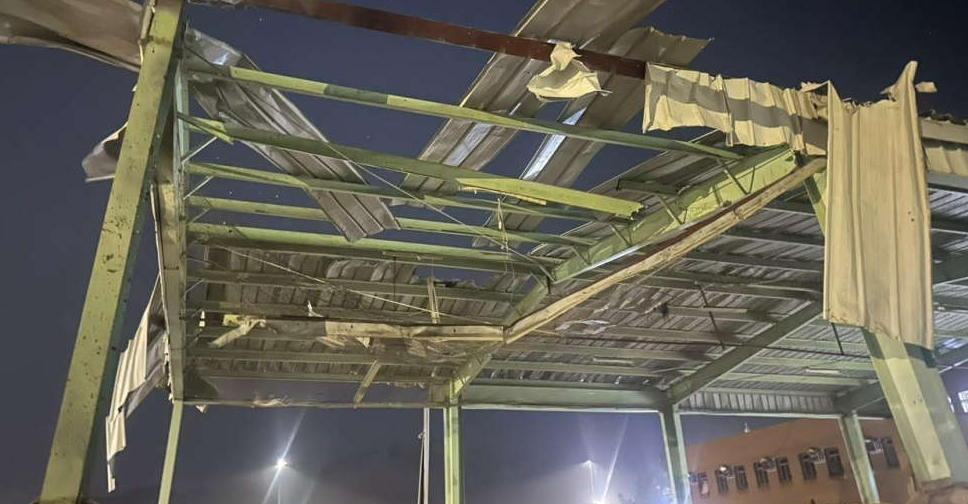 Saudi Arabia says shrapnel from intercepted ballistic missile in Asir injures one
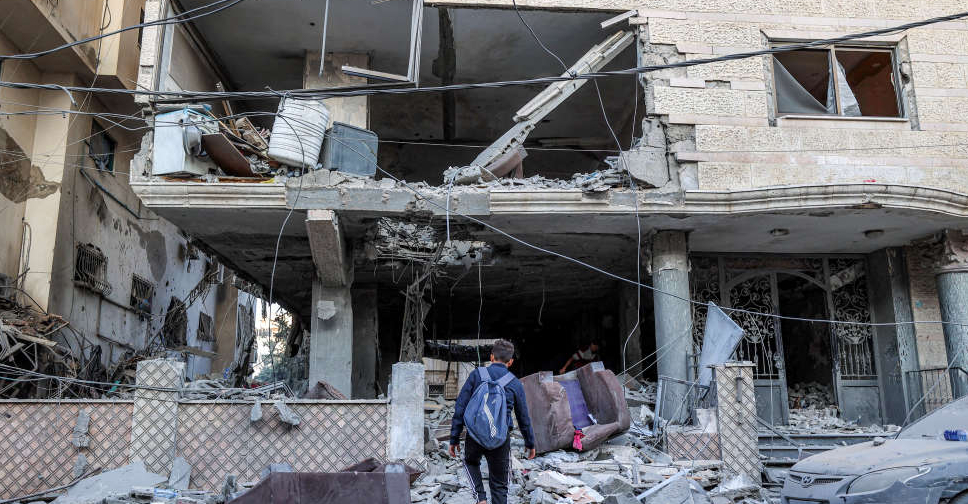 Israeli strike kills five in Gaza, health officials say
 Nine injured in Australia as car crashes into crowd north of Sydney
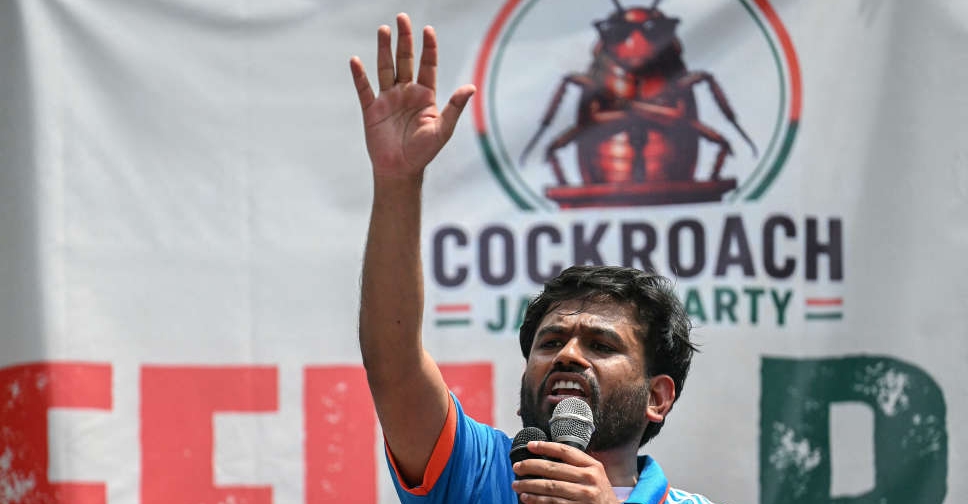 India's 'cockroach' youth party to protest, demand poll chief's resignation