
The World Health Organisation (WHO) on Wednesday declared mpox a global public health emergency for the second time in two years, following an outbreak of the viral infection in the Democratic Republic of Congo that has spread to neighbouring countries.
Mpox can spread through close contact. Usually mild, it is fatal in rare cases. It causes flu-like symptoms and pus-filled lesions on the body.
Determining a disease outbreak as a "public health emergency of international concern" or PHEIC — the WHO's highest level of alert — can accelerate research, funding and international public health measures and co-operation to contain a disease.
The outbreak in Congo began with the spread of an endemic strain, known as clade I. But a new variant, clade Ib, appears to spread more easily through routine close contact, including sexual contact.
It has spread from Congo to neighbouring countries, including Burundi, Kenya, Rwanda and Uganda, triggering the action from the WHO.
"It's clear that a coordinated international response is essential to stop these outbreaks and save lives," said WHO Director-General Tedros Adhanom Ghebreyesus.
Earlier this week, Africa's top public health body declared an mpox emergency for the continent after warning that the viral infection was spreading at an alarming rate.
More than 17,000 suspected mpox cases and 517 deaths have been reported on the African continent so far this year, a 160 per cent increase in cases compared to the same period last year, the Africa Centres for Disease Control and Prevention said.
A total of 13 countries have reported cases.

 Several people detained in India's Gen Z-led protests against voter roll changes
 Saudi Arabia says shrapnel from intercepted ballistic missile in Asir injures one
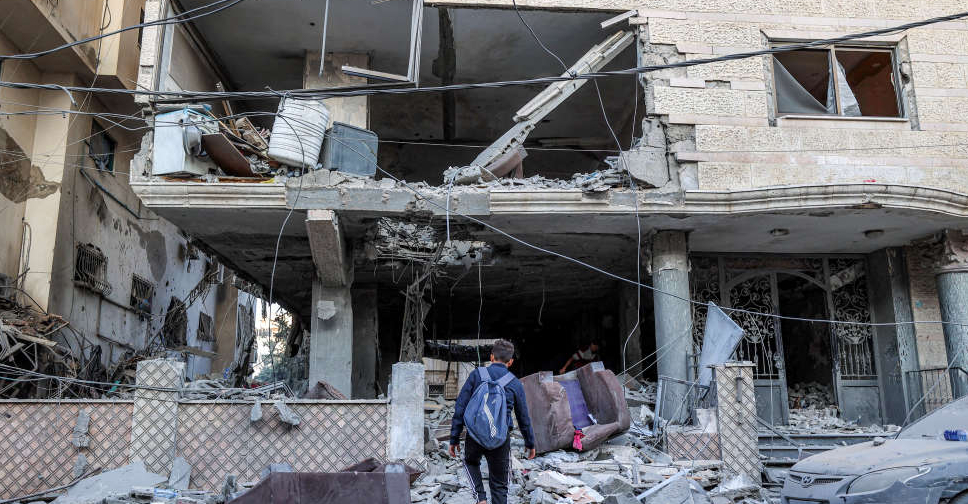 Israeli strike kills five in Gaza, health officials say
 Nine injured in Australia as car crashes into crowd north of Sydney
 India's 'cockroach' youth party to protest, demand poll chief's resignation