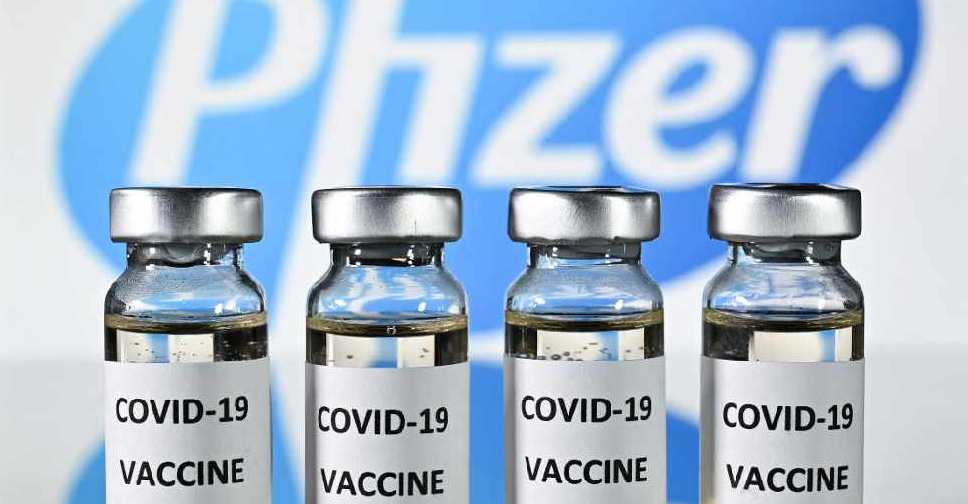
The United States will spend $3.5 billion to buy and donate 500 million doses of the Pfizer COVID-19 vaccine to some of the world’s poorest countries.
It has urged other G7 nations to follow suit.
The vaccine donation - the largest ever by a single country - was announced before US President Joe Biden meets leaders of the Group of Seven advanced economies in western England.
A senior Biden administration official said the US is not seeking favours in exchange for these doses and is not imposing conditions - political or economic or otherwise on countries for receiving these doses.
The 500 million doses are destined for the world's 100 poorest countries. A senior Biden administration official described the gesture as a "major step forward that will supercharge the global effort" with the aim of "bringing hope to every corner of the world."
"We really want to underscore that this is fundamentally about a singular objective of saving lives," the official said.
US drugmaker Pfizer and its German partner BioNTech have agreed to supply the United States with the vaccines, delivering 200 million doses in 2021 and 300 million doses in the first half of 2022.
The shots, which will be produced at Pfizer's US sites, will be supplied at a not-for-profit price.


 Several people detained in India's Gen Z-led protests against voter roll changes
 Trump shares Republican senator's phone number in feud over time switch
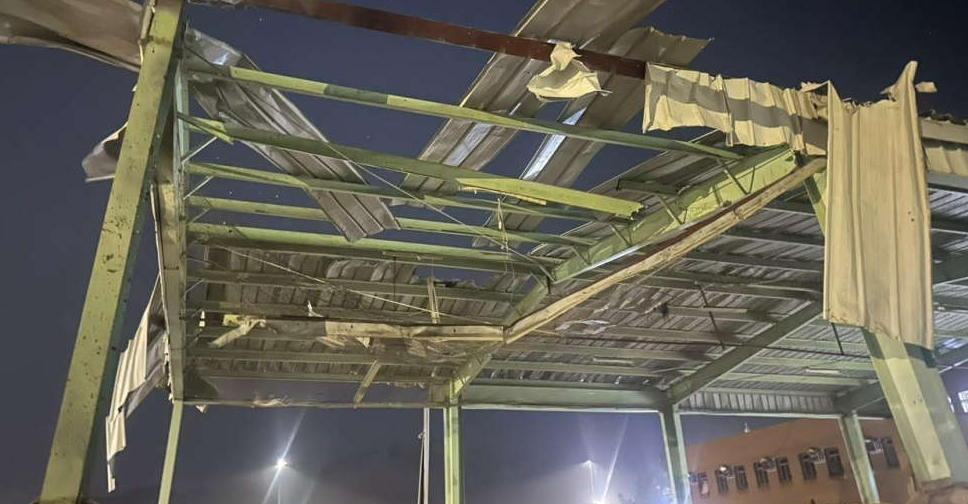 Saudi Arabia says shrapnel from intercepted ballistic missile in Asir injures one
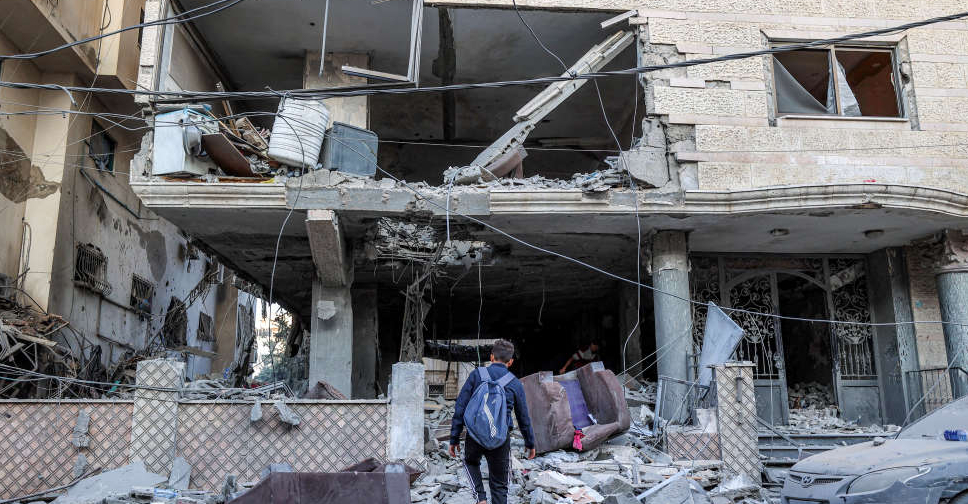 Israeli strike kills five in Gaza, health officials say
 Nine injured in Australia as car crashes into crowd north of Sydney