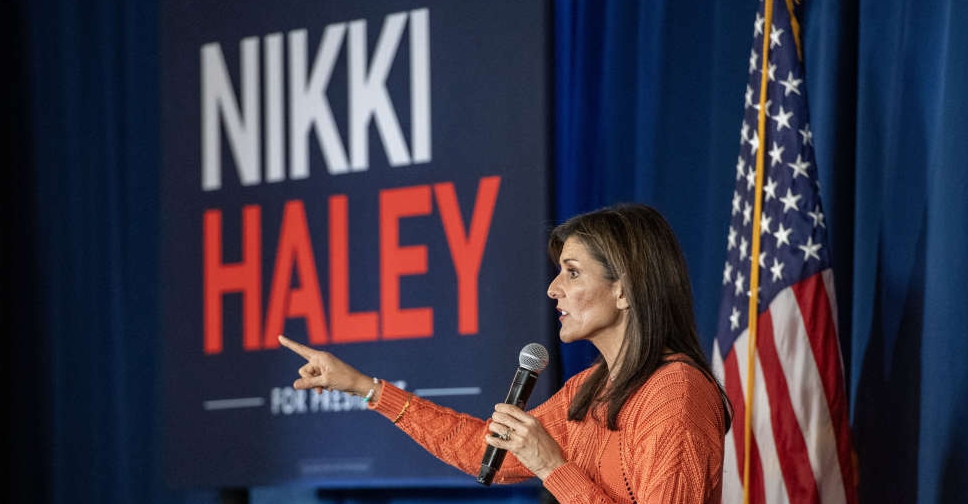
Voters in New Hampshire will decide whether to hand Donald Trump a glide path to the Republican presidential nomination or bolster rival Nikki Haley's long-shot bid to topple him on Tuesday in a pivotal primary election.
The former US president and the former South Carolina governor made their final pitches to voters in what became a two-person race after Florida Governor Ron DeSantis, once seen as the party's best bet to take on Trump, dropped out and endorsed the New York businessman.
Polls show Trump with a wide lead over Haley, who needs a victory or a strong second place showing in New Hampshire to carry her to the next nominating contest in South Carolina, her home state, where Trump is also dominant in the polls. The former president achieved a record-setting victory in Iowa's first-in-the-nation contest last week.
A resounding win in New Hampshire would pave the way for him to secure the nomination and represent a remarkable show of force early in the nominating process, a sign that Republican voters wish to return him to the White House despite multiple criminal counts against him, two impeachments and a chaotic tenure as commander-in-chief. Trump, who is balancing campaign stops with appearances in various courts, denies wrongdoing.
The Republican nominee will face President Joe Biden, the presumptive Democratic nominee, in the general election in November.
The Kuwait Petroleum Corporation (KPC) has announced that the Mina Al-Ahmadi Refinery, operated by Kuwait National Petroleum Company (KNPC), came under drone attacks early on Friday, with a fire breaking out at several units as a result.
France, Spain, Bahrain, and India have condemned the Iranian attack that targeted Qatar's Ras Laffan Industrial City during separate phone calls with Qatar's Emir Sheikh Tamim bin Hamad Al Thani.
President Donald Trump has drawn a parallel on Thursday between US strikes on Iran and Japan's 1941 attack on Pearl Harbour, as he defended the war he launched against Tehran while meeting Japanese Prime Minister Sanae Takaichi in Washington.
Iran no longer has the capacity to enrich uranium or make ballistic missiles after 20 days of US-Israeli air attacks, Israeli Prime Minister Benjamin Netanyahu told a news conference on Thursday.
The US objectives in its war against Iran have not changed since strikes started on February 28, Defence Secretary Pete Hegseth said on Thursday, and he accused the media of stirring up concerns that the country risked being locked in an open-ended conflict with shifting priorities.


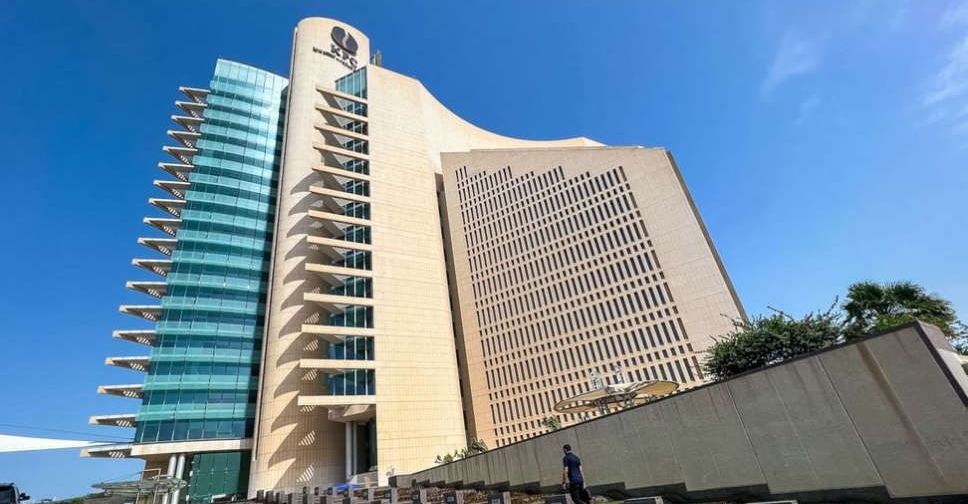 Fire breaks out at Kuwaiti refinery after drone attacks
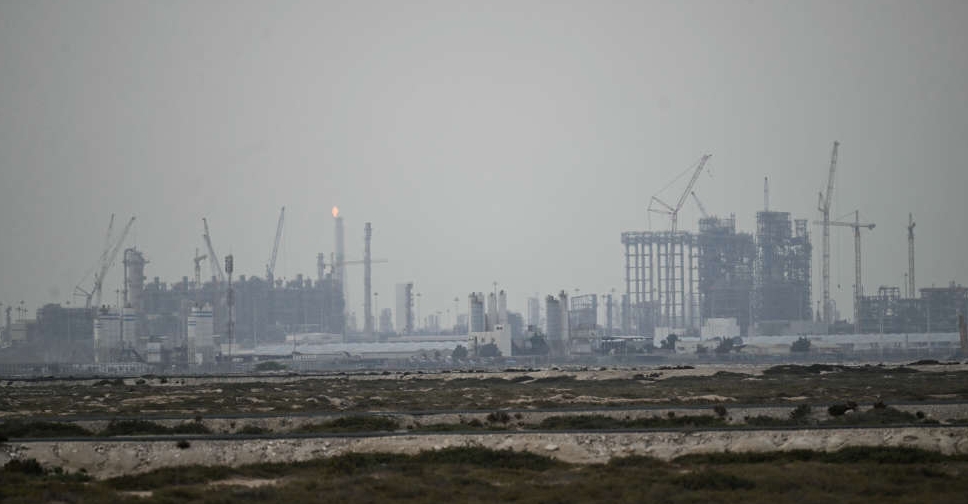 Four countries condemn Iranian attack on Ras Laffan in Qatar
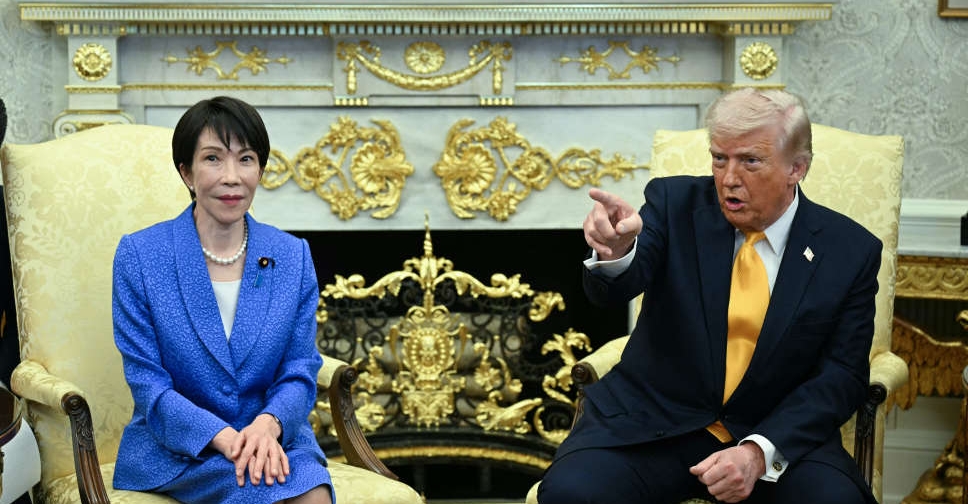 Trump compares Pearl Harbour to strikes on Iran in meeting Japan's leader
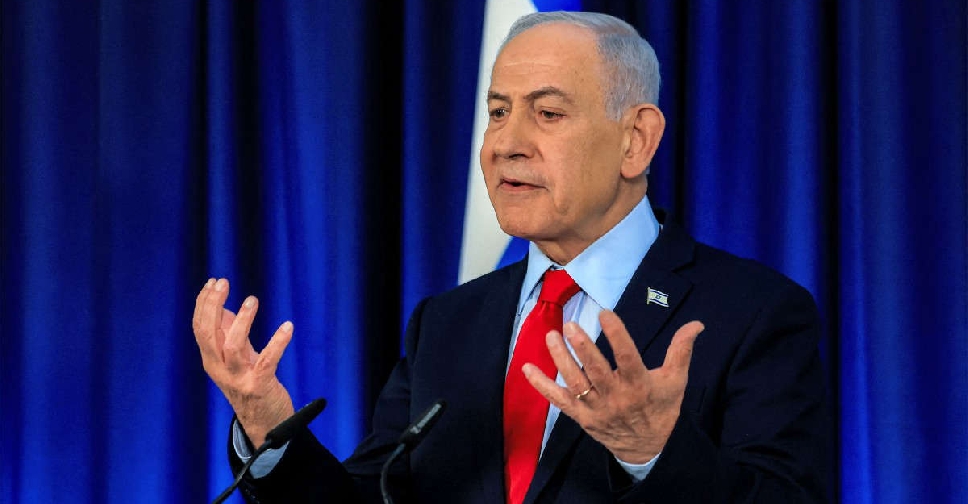 Netanyahu says Iran no longer has uranium enrichment capacity
 US objectives in Iran have not changed, says Hegseth