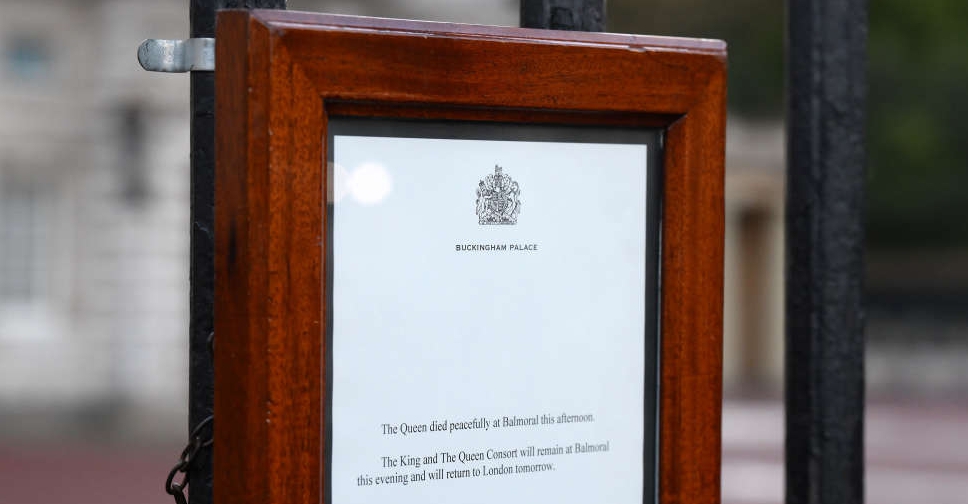
The UK government’s plan for what will happen in the coming days after the death of Queen Elizabeth II is codenamed “Operation London Bridge”.
It's widely expected to include the period of official mourning and details of her state funeral.
The plans were first created in the 1960s and have been updated throughout each year.
Some critical decisions relating to the plan have been made by the Queen herself, although some can only be made by her successor, Charles, the new King.
The phrase "London Bridge is down" was presumed used to communicate the death of the Queen to the UK Prime Minister and key personnel, setting the next phase of the plan into motion.
The royal family are expected to announce details of the queen’s funeral, which traditionally should be held 10 days following her death.
Parliamentary business is likely to be suspended for 10 days and the sovereign’s coffin is suggested will lie in state for three days at the Houses of Parliament.
Bangladeshi lawmakers elected veteran Bangladesh Nationalist Party (BNP) leader Mirza Fakhrul Islam Alamgir as the country's new president on Thursday, making the longtime opposition figure the head of state after his party came to power in a major political transition.
Russian strikes have killed 16 people and injured more than 40 in Kyiv and the surrounding region on Thursday as President Volodymyr Zelenskyy said a failure by Ukraine's allies to replenish its stock of air defence missiles was costing lives.
Prince Harry and his wife Meghan plan to move back to Britain this month, six years after they stepped down from their royal duties and relocated to the US, a source close to the couple said.
South Korea's presidential office has condemned North Korea's launch of more than 10 short-range ballistic missiles on Thursday and ordered its military to maintain full readiness during ongoing joint exercises with the United States.


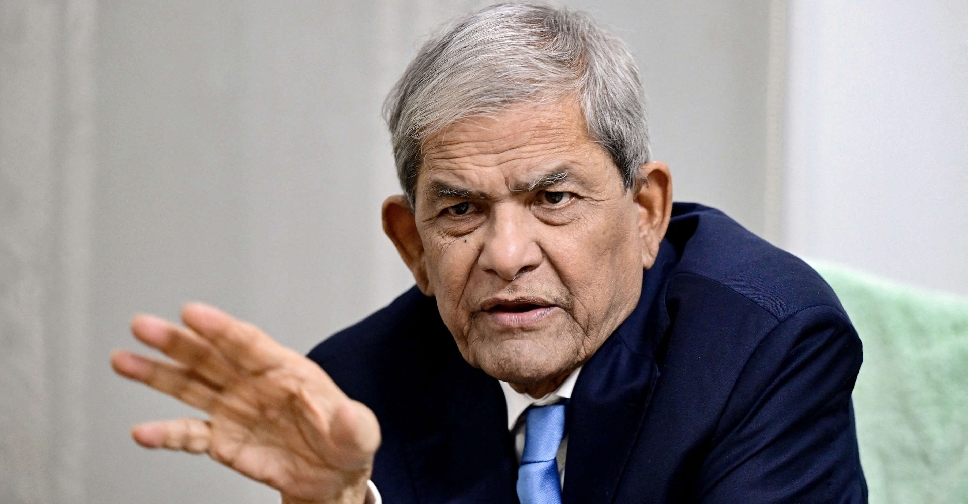 Bangladesh elects ruling party veteran Alamgir as president
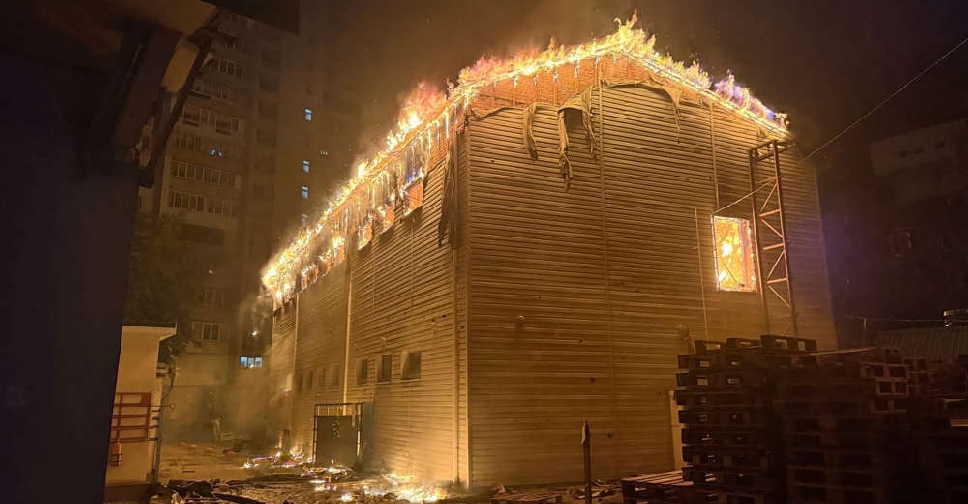 Russian strikes kill 16 in Ukraine's Kyiv
 Prince Harry and Meghan to move back to Britain
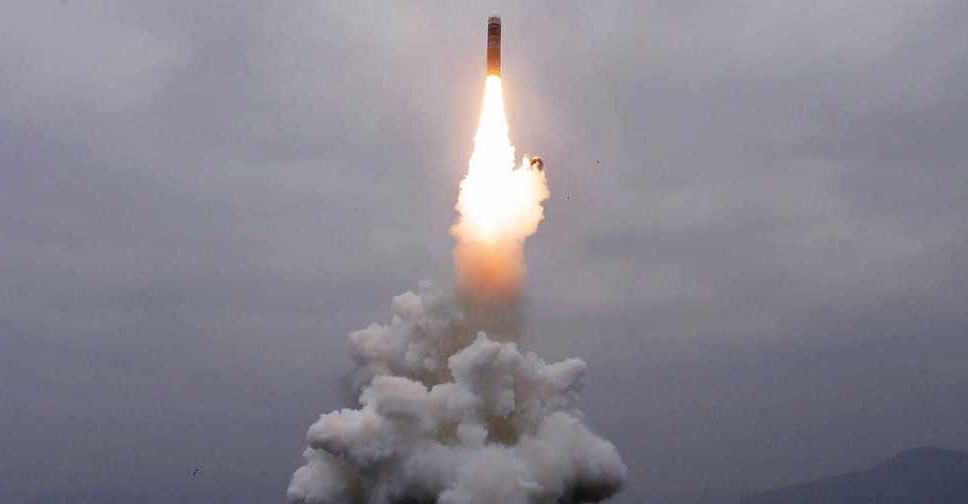 North Korea launches 10 ballistic missiles as US-South Korea drills near end
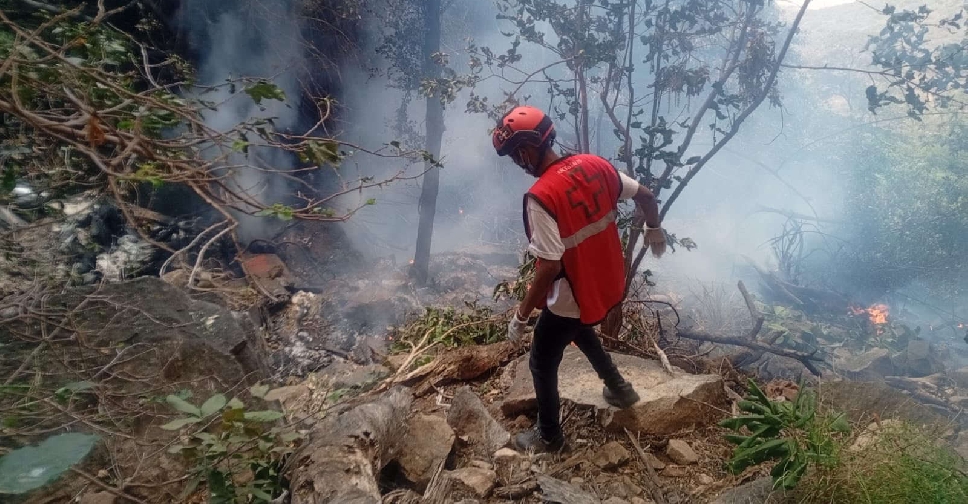 Kenya tourist helicopter crash kills seven