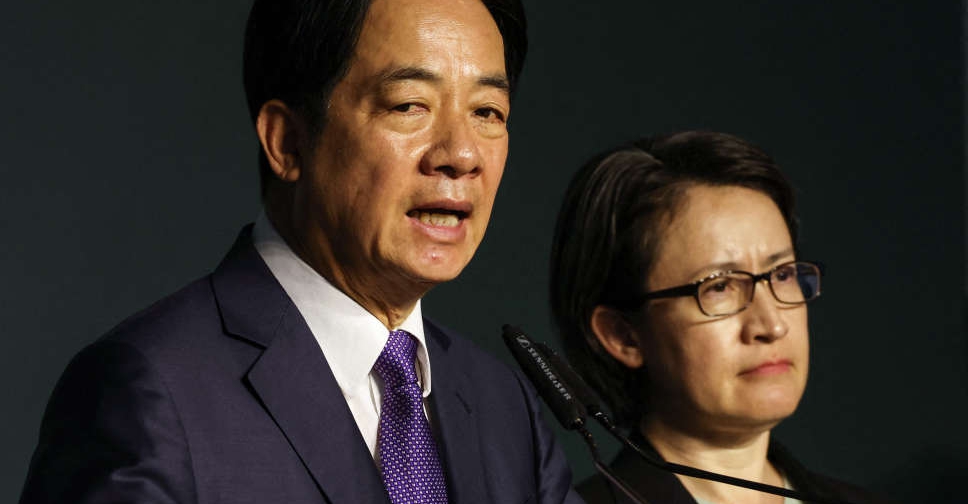
Taiwanese voters swept the ruling Democratic Progressive Party's (DPP) presidential candidate Lai Ching-te into power on Saturday in an explicit rejection of China's warnings not to vote for him in an election Beijing framed as a choice between war and peace.
Current Vice President Lai's DPP, which champions Taiwan's separate identity and rejects China's territorial claims, was seeking a third term, unprecedented under Taiwan's current electoral system.
Lai was facing two opponents for the presidency - Hou Yu-ih of Taiwan's largest opposition party the Kuomintang (KMT) and former Taipei Mayor Ko Wen-je of the small Taiwan People's Party, only founded in 2019. Both conceded defeat.
Lai was due to speak to reporters at 8:30 pm (1230 GMT) in Taipei.
In the run-up to the election, China denounced Lai as a dangerous separatist, saying that any moves towards Taiwan's formal independence meant war, and rebuffed Lai's calls for talks.
Lai says he is committed to preserving peace and the status quo across the Taiwan Strait and boosting the island's defences.
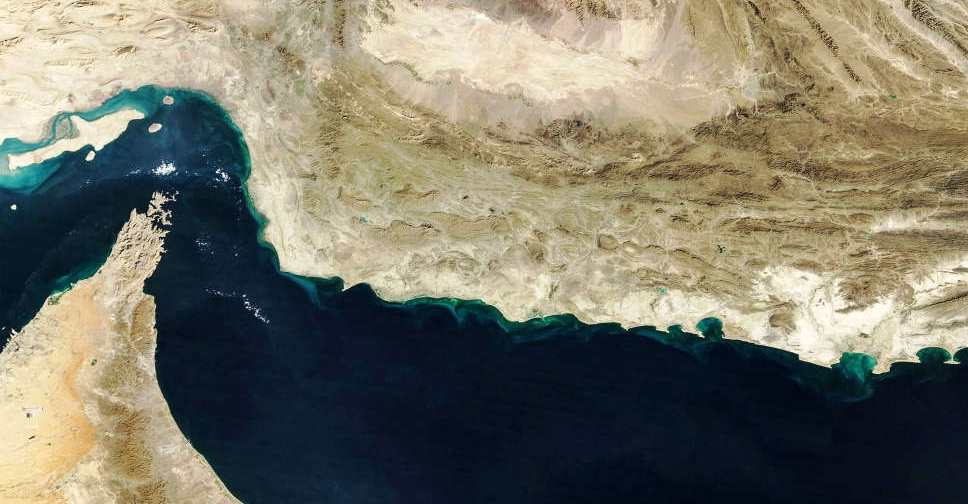
President Donald Trump said the US was considering "winding down" its military operation against Iran, as Iran and Israel traded attacks on Saturday and Iranian media said the nuclear enrichment facility in Natanz had been attacked.
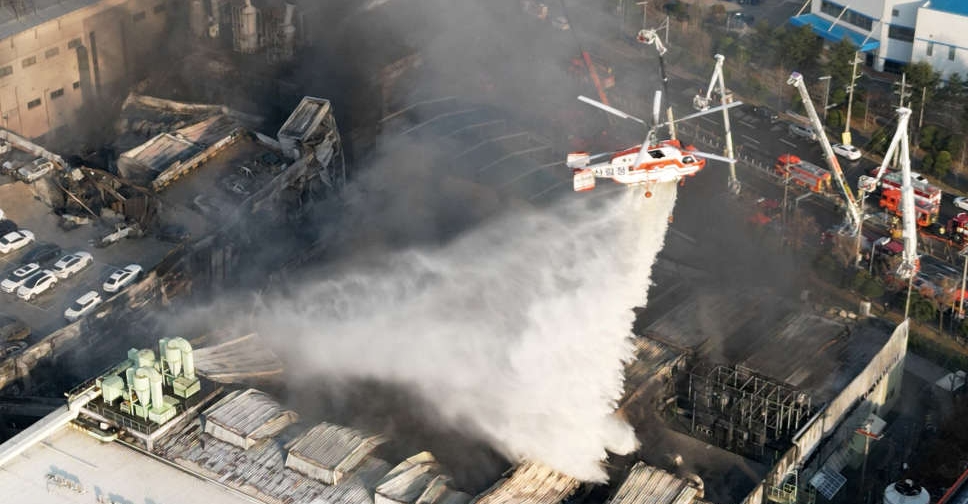
Fourteen people died and 25 were seriously injured in a fire at a car parts factory in the South Korean city of Daejeon, fire authorities said on Saturday.
Russian attacks on Ukraine killed two people in Zaporizhzhia and left most of the northern region of Chernihiv without power on Saturday, Ukrainian officials said.
Donald Trump's Board of Peace has presented Hamas with a written proposal on how it could lay down its weapons, two sources said, a step the group has thus far refused to take as the US president pushes on with his plan for Gaza's future.


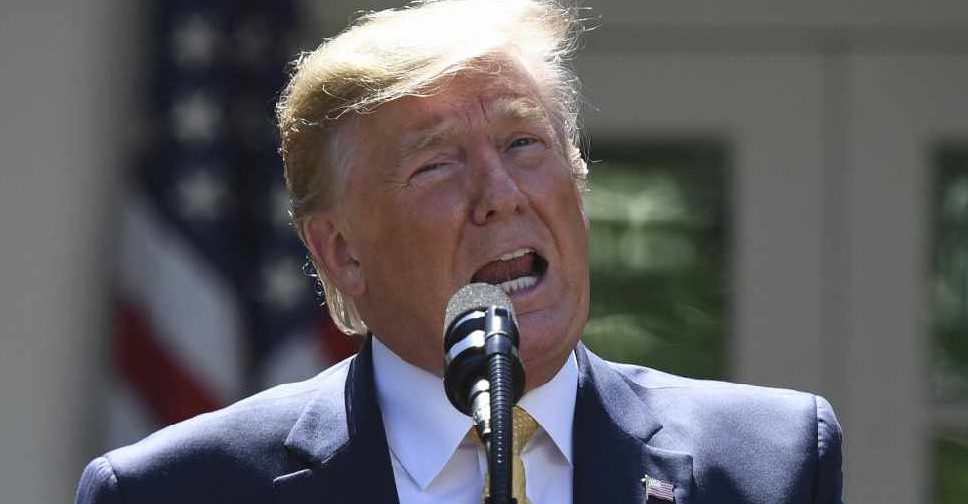 Trump says US considering 'winding down' Iran war; Natanz nuclear facility attacked
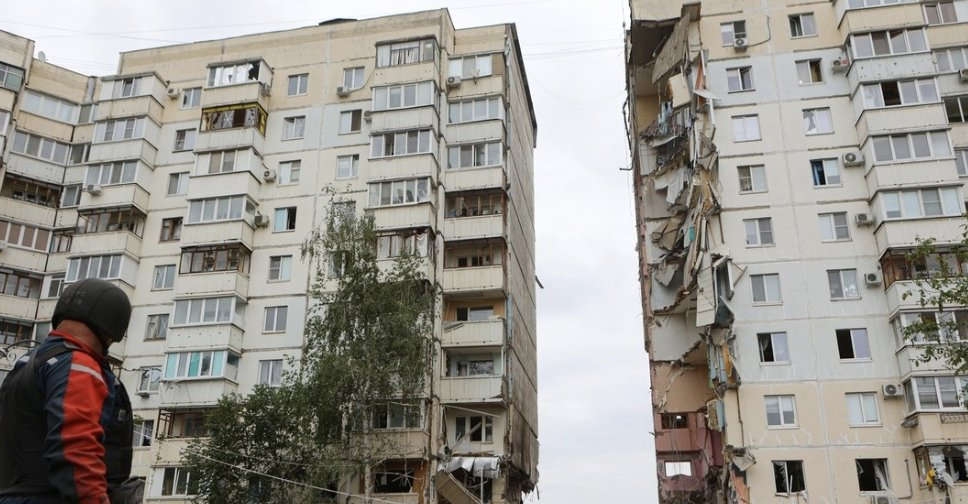 Ukrainian shelling kills four in Russia's Belgorod, governor says
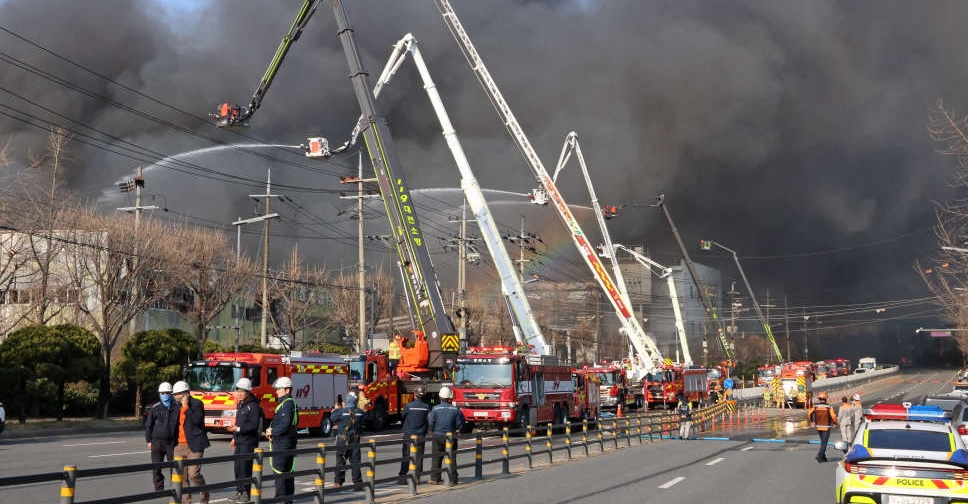 Fire at Korean car parts factory kills 14, injures 60
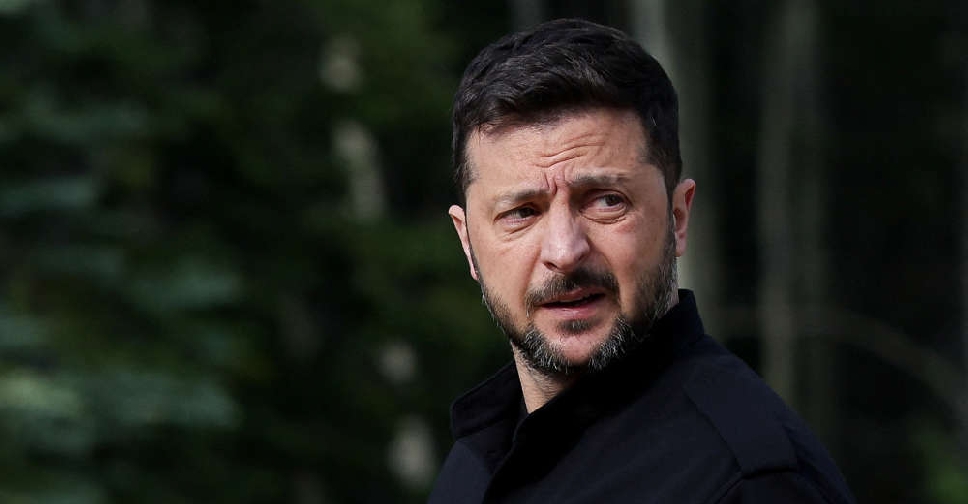 Ukraine says Russian attacks leave two dead, thousands without power
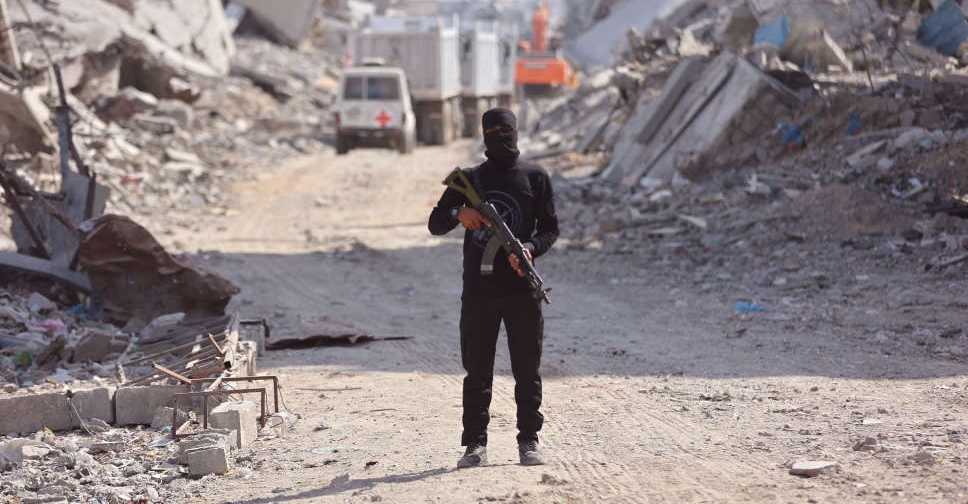 Trump's peace board hands Hamas disarmament proposal, sources say