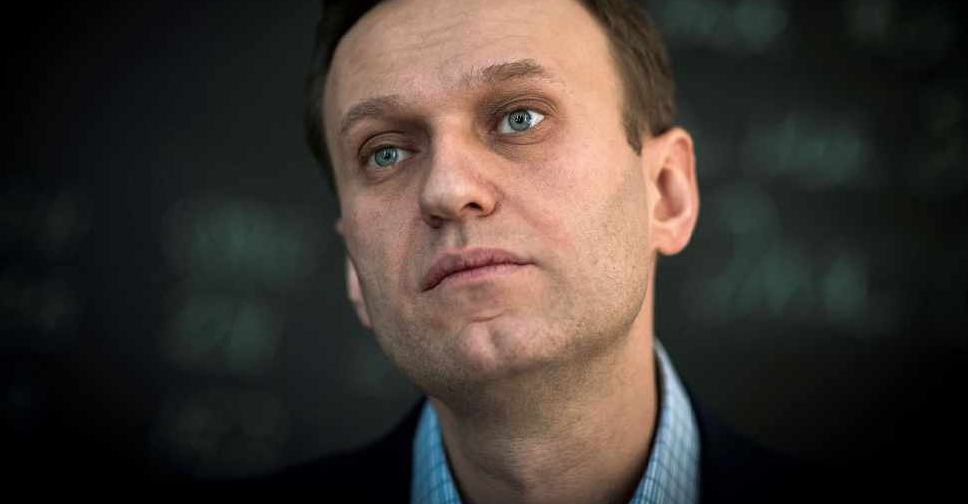
This file photo taken on January 16, 2018, shows Russian opposition leader Alexei Navalny during an interview with AFP at the office of his Anti-corruption Foundation (FBK) in Moscow. (AFP)
US Secretary of State Mike Pompeo said there was a "substantial chance" that the suspected poisoning of Kremlin critic Alexei Navalny was ordered by senior Russian officials.
"There is a substantial chance that this actually came from senior Russian officials," Pompeo told the Ben Shapiro radio programme, according to a transcript released by the State Department.
Pompeo said the United States was evaluating how it would respond.
"We'll make sure we do our part to do whatever we can to reduce the risk that things like this happen again," he said.
Navalny, who is being treated in a Berlin hospital, was airlifted to Germany after falling ill on a Russian domestic flight last month.
Germany says he was poisoned with a Soviet-style Novichok nerve agent in an attempt to murder him. Russia has said it has seen no evidence that Navalny was poisoned.
"I think the world has matured and come to an understanding that this is not how normal countries operate, and this will prove costly for the Russians," Pompeo said.
The Group of Seven (G7) foreign ministers issued a statement on Tuesday condemning the "confirmed poisoning" of Navalny.
Russian ballistic missiles killed at least five people and injured over two dozen more in Kyiv early on Thursday, authorities said on the Telegram messaging app, damaging buildings and leaving parts of the Ukrainian capital without power.
South Korea and the United States will cut short annual joint military drills to five days from 11 and scale back some field training, the allies said on Wednesday, after President Donald Trump ordered a substantial reduction in US participation.
At least 100 people were killed when a low-tech artisanal gold mine collapsed in the Central African Republic on Tuesday, a senior official at a local mining association said.
An Israeli airstrike killed nine Palestinians at a police station in Gaza on Wednesday, medics said, two days after US envoy Jared Kushner ended a trip to the region that failed to push forward Donald Trump's plan to end the war in the enclave.


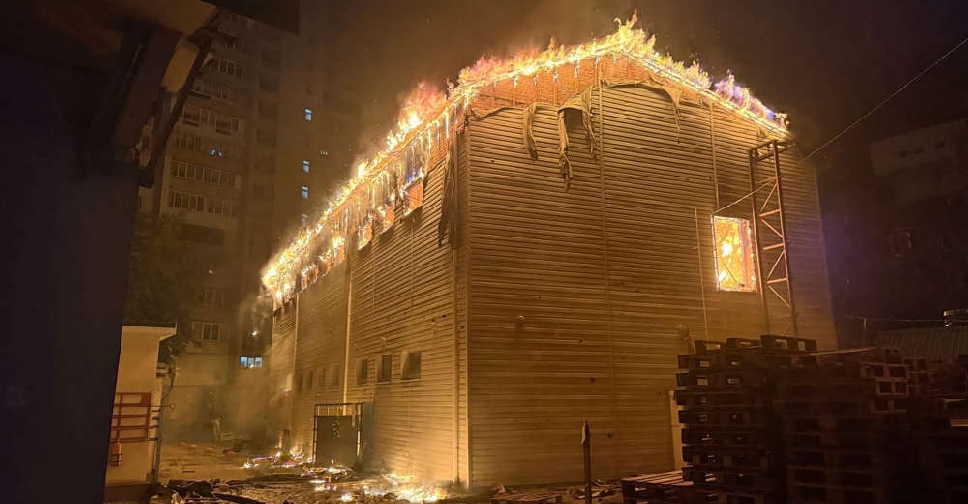 Russian ballistic missiles kill at least five in Ukraine's Kyiv, spark fires
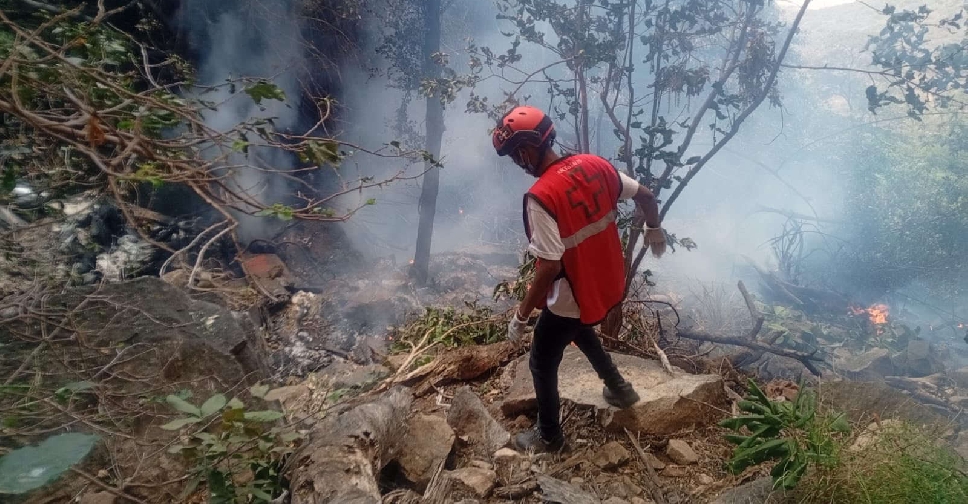 Kenya tourist helicopter crash kills seven
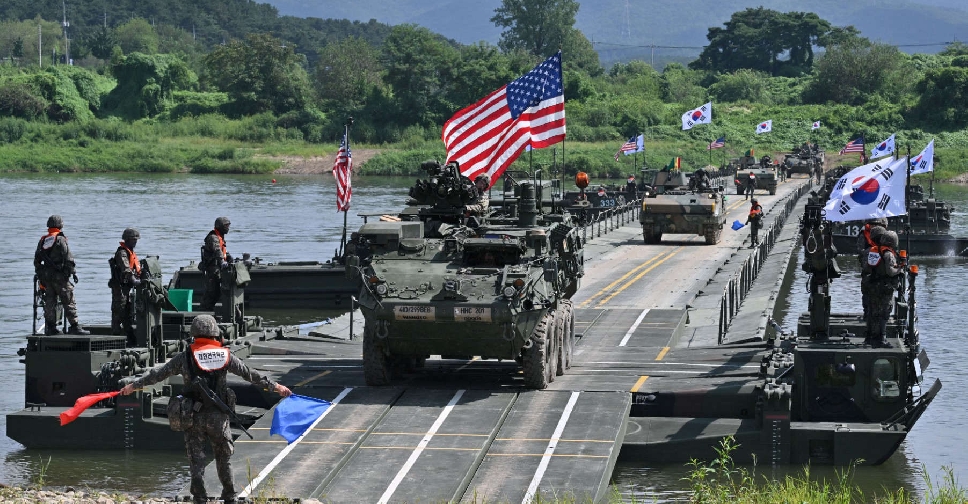 US, South Korea to cut length, scope of military drills after Trump order
 Central African Republic gold mine collapse kills at least 100
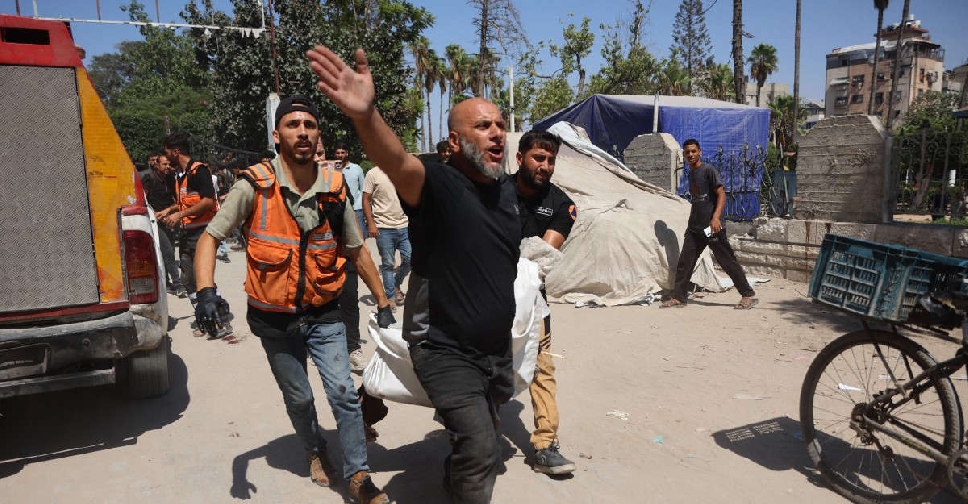 Israeli airstrike kills nine Palestinians at Gaza police station