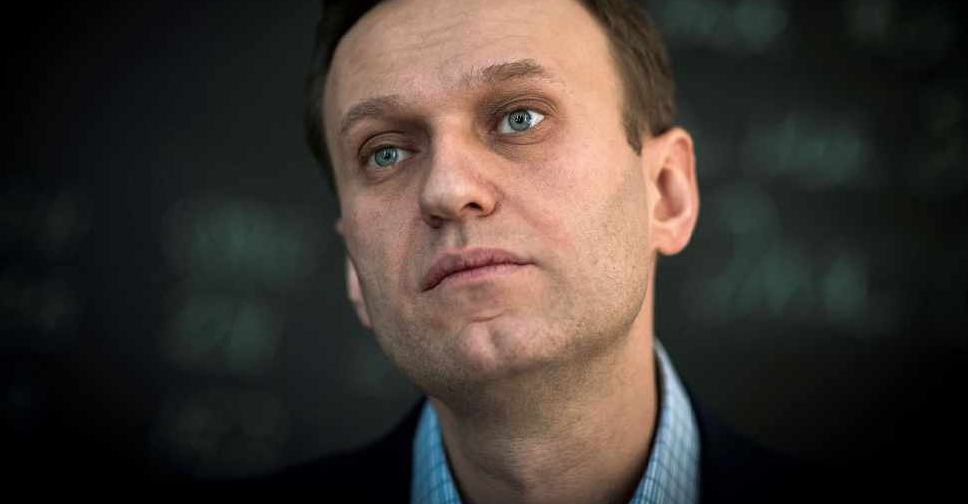
This file photo taken on January 16, 2018, shows Russian opposition leader Alexei Navalny during an interview with AFP at the office of his Anti-corruption Foundation (FBK) in Moscow. (AFP)
US Secretary of State Mike Pompeo said there was a "substantial chance" that the suspected poisoning of Kremlin critic Alexei Navalny was ordered by senior Russian officials.
"There is a substantial chance that this actually came from senior Russian officials," Pompeo told the Ben Shapiro radio programme, according to a transcript released by the State Department.
Pompeo said the United States was evaluating how it would respond.
"We'll make sure we do our part to do whatever we can to reduce the risk that things like this happen again," he said.
Navalny, who is being treated in a Berlin hospital, was airlifted to Germany after falling ill on a Russian domestic flight last month.
Germany says he was poisoned with a Soviet-style Novichok nerve agent in an attempt to murder him. Russia has said it has seen no evidence that Navalny was poisoned.
"I think the world has matured and come to an understanding that this is not how normal countries operate, and this will prove costly for the Russians," Pompeo said.
The Group of Seven (G7) foreign ministers issued a statement on Tuesday condemning the "confirmed poisoning" of Navalny.
The Kuwait Petroleum Corporation (KPC) has announced that the Mina Al-Ahmadi Refinery, operated by Kuwait National Petroleum Company (KNPC), came under drone attacks early on Friday, with a fire breaking out at several units as a result.
France, Spain, Bahrain, and India have condemned the Iranian attack that targeted Qatar's Ras Laffan Industrial City during separate phone calls with Qatar's Emir Sheikh Tamim bin Hamad Al Thani.
President Donald Trump has drawn a parallel on Thursday between US strikes on Iran and Japan's 1941 attack on Pearl Harbour, as he defended the war he launched against Tehran while meeting Japanese Prime Minister Sanae Takaichi in Washington.
Iran no longer has the capacity to enrich uranium or make ballistic missiles after 20 days of US-Israeli air attacks, Israeli Prime Minister Benjamin Netanyahu told a news conference on Thursday.
The US objectives in its war against Iran have not changed since strikes started on February 28, Defence Secretary Pete Hegseth said on Thursday, and he accused the media of stirring up concerns that the country risked being locked in an open-ended conflict with shifting priorities.


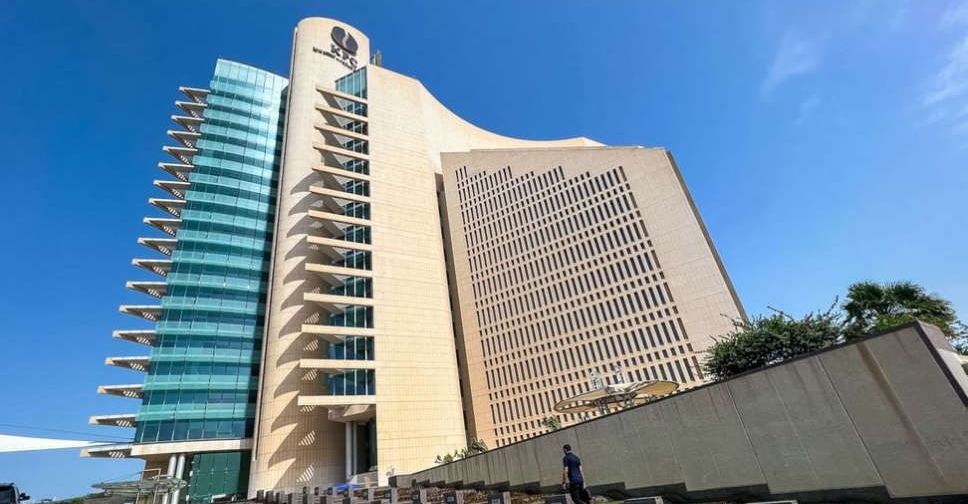 Fire breaks out at Kuwaiti refinery after drone attacks
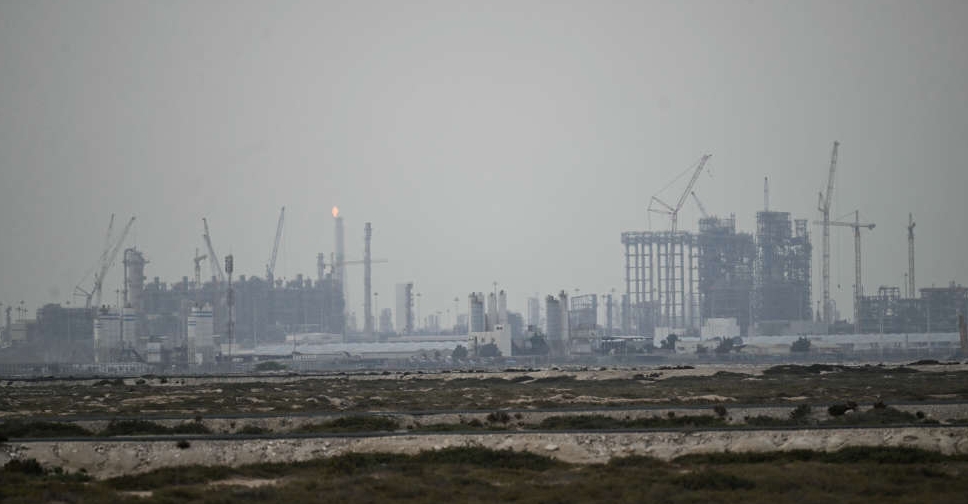 Four countries condemn Iranian attack on Ras Laffan in Qatar
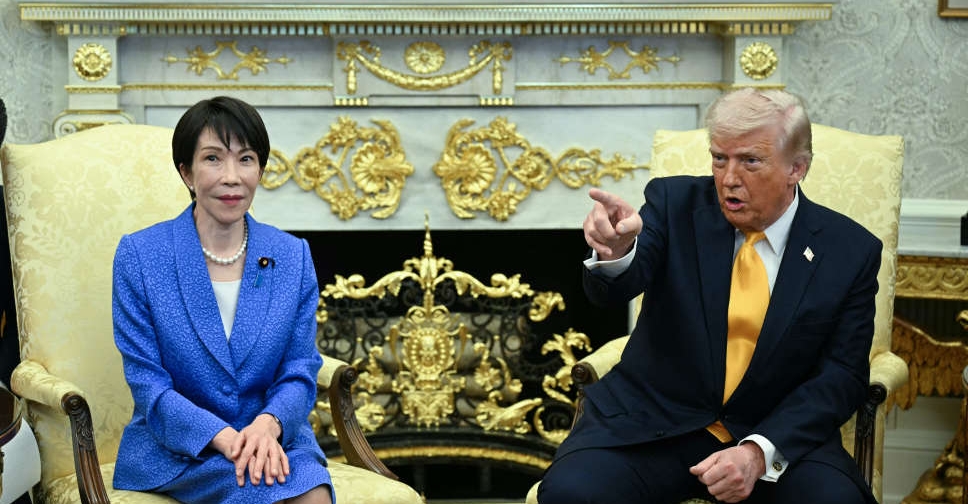 Trump compares Pearl Harbour to strikes on Iran in meeting Japan's leader
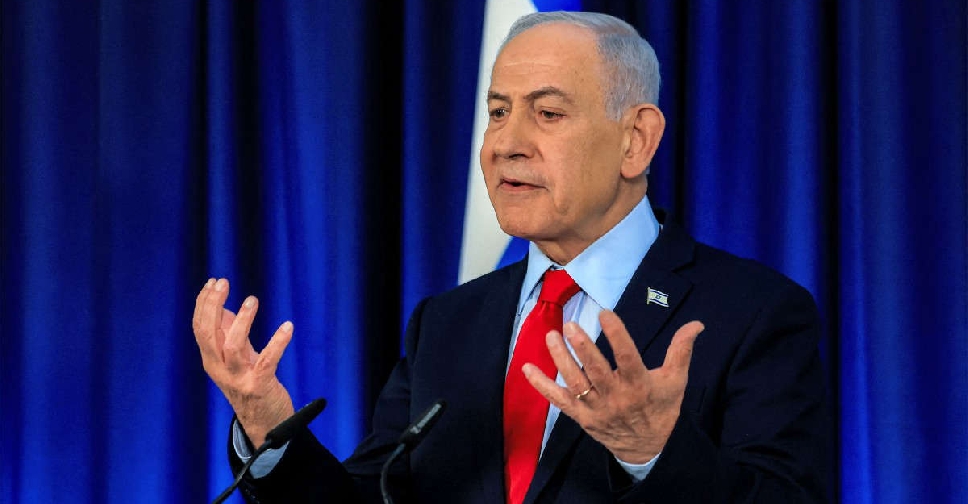 Netanyahu says Iran no longer has uranium enrichment capacity
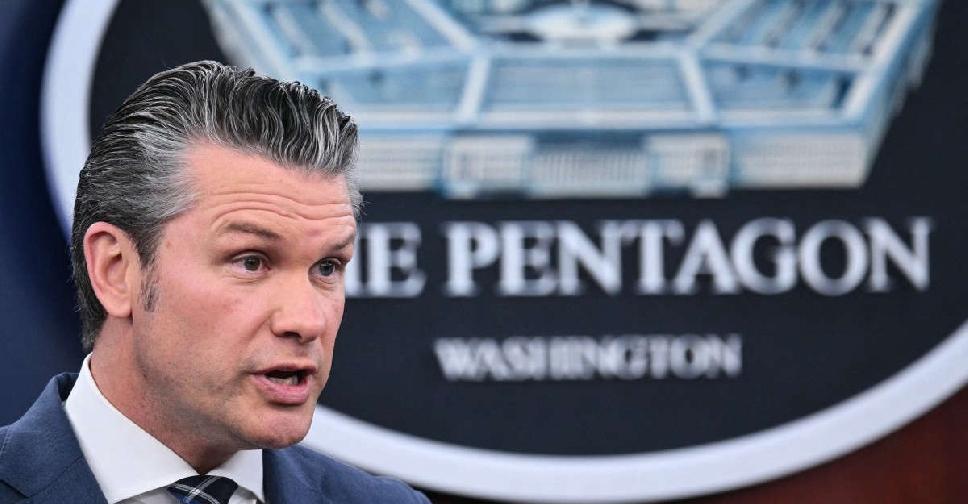 US objectives in Iran have not changed, says Hegseth