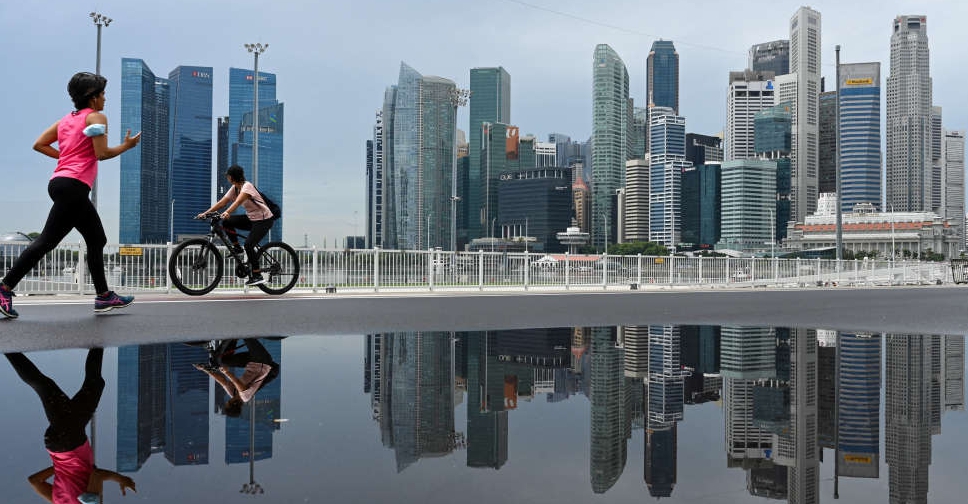
Singapore will do away with requirements to wear masks indoors starting August 29, as the country sees its COVID-19 situation stabilise further, the health minister said on Wednesday.
For the first time in more than two years, people in the Southeast Asian city-state will no longer be required to wear masks indoors except on public transport and in high-risk settings like healthcare facilities.
The health ministry also updated rules for non-vaccinated travellers, dropping a 7-day quarantine requirement starting next week.
Singapore, which is a major Asian financial and travel hub, lifted most pandemic curbs, including travel restrictions, earlier this year.
About 70 per cent of the city-state's 5.5 million population has already contracted COVID-19, Ong Ye Kung, the health minister said in a news conference, adding that the re-infection rate is so far "very low".
Singapore has vaccinated more than 90 per cent of its population and has among the lowest COVID-19 mortality rates in the world.
Eight Israeli airstrikes have hit the Abu al-Duhur military airbase in northwestern Syria early on Tuesday, targeting the runway and storage facilities, Syria's state-run Ekhbariya said, citing a military source.
Two students were killed in a shooting at a high school in the southern Philippines on Tuesday, one of them the gunman, officials said, in the second such incident in the country in less than two months.
The Supreme Court of Pakistan has ordered on Tuesday that former Prime Minister Imran Khan be moved to hospital from jail, his Pakistan Tehreek-e-Insaf party said, meeting a longstanding demand of his party and family, who had raised concerns about his health.
A Russian missile attack has killed 10 people and injured a further eight in a village in Ukraine's northeastern Kharkiv region, the regional governor said on Tuesday.
President Donald Trump said on Monday Iran would not make the deal he thinks is needed to end a war with the US and should surrender as talks between the countries remained stalled.


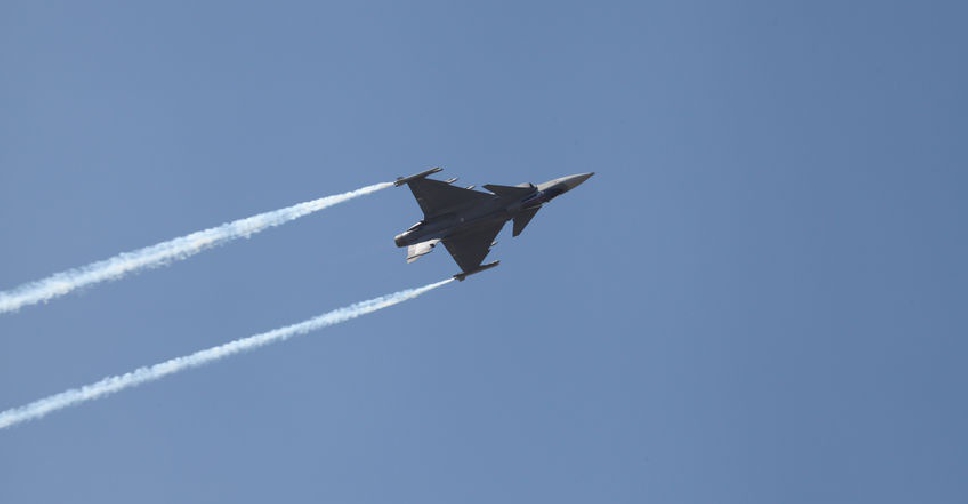 8 Israeli airstrikes hit Syria's Abu al-Duhur airbase, state TV reports
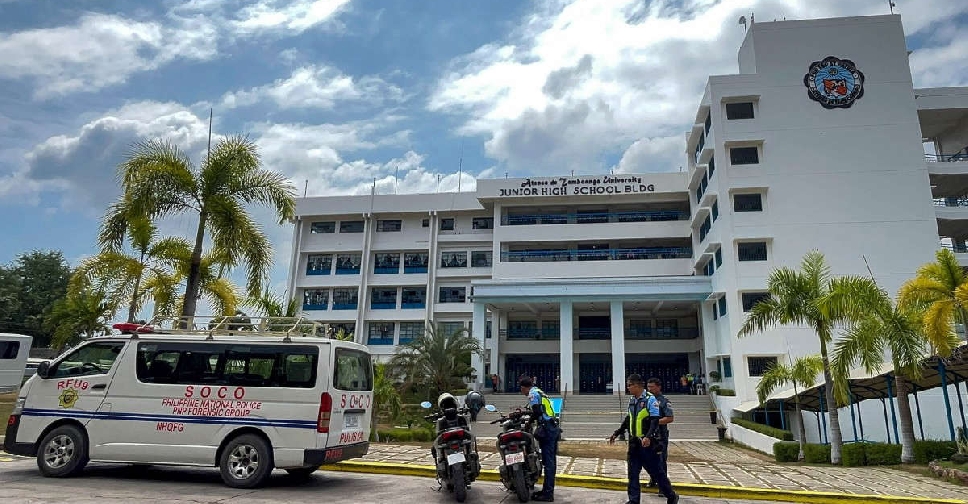 Two killed in high school shooting in southern Philippines
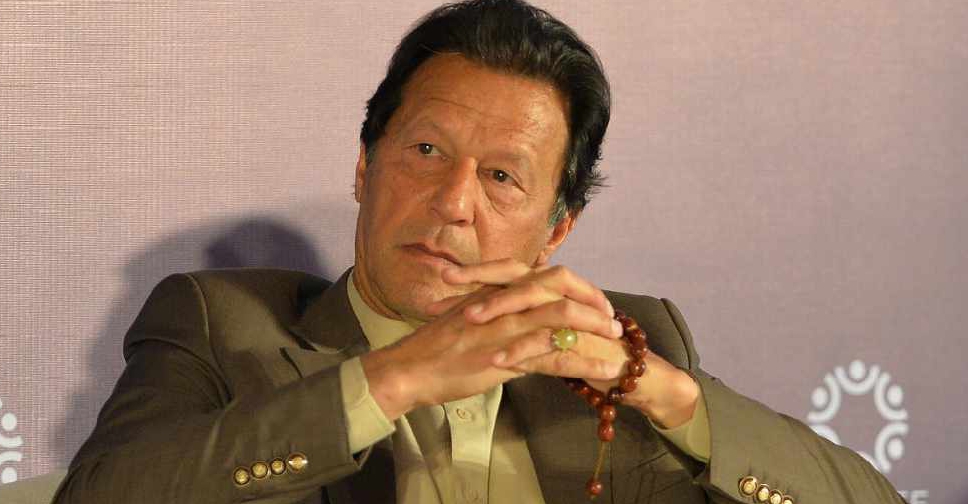 Pakistan top court orders ex-PM Imran Khan be moved to hospital from jail
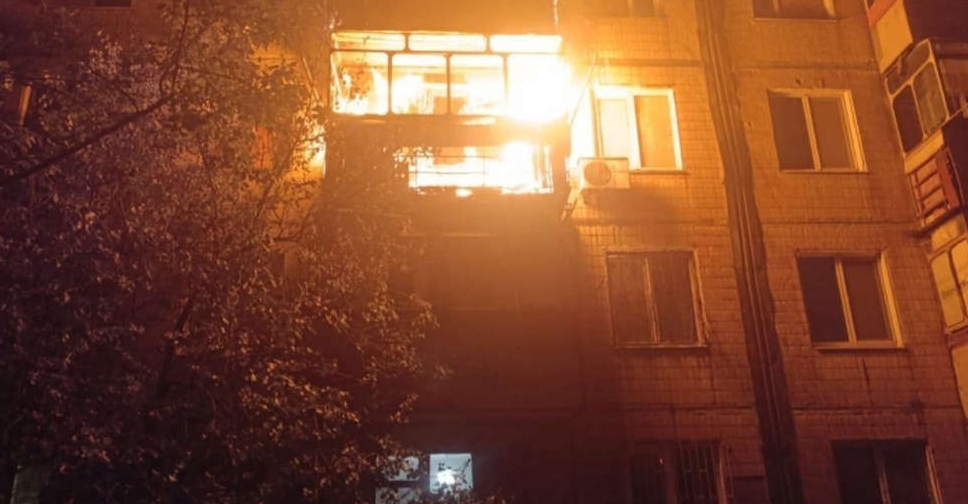 Russian missile attack kills 10 in Ukraine's Kharkiv region, governor says
 Trump says Iran won't make deal he thinks is needed