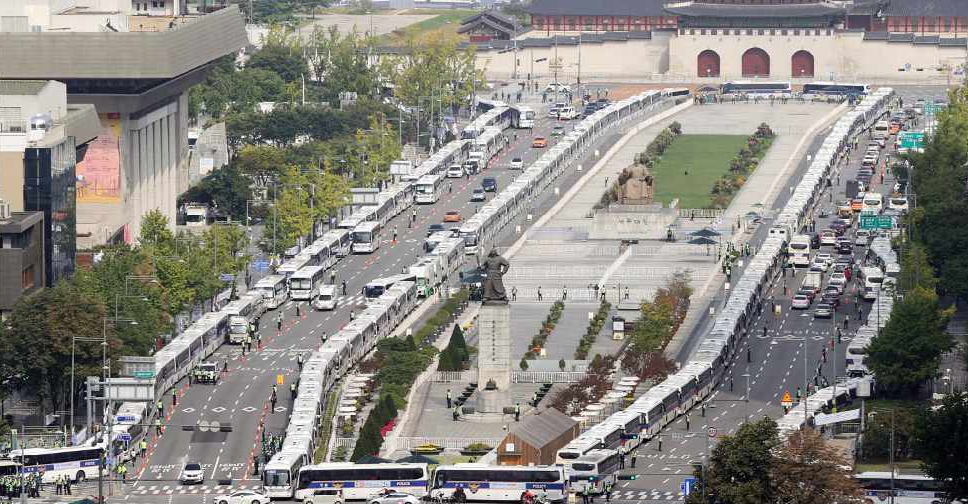
A general view shows police buses blocking access to public areas in Seoul on October 3 (YONHAP / AFP)
South Korean police mobilised hundreds of buses to head off any political rallies in Seoul on Saturday with authorities determined to prevent another cluster of COVID-19 cases from emerging.
South Korea has been held up as a coronavirus mitigation success story but it saw a flare-up of more than 1,800 infections linked to a church and a big anti-government rally in August.
The spread of the virus has slowed in recent weeks but the government has banned more than 100 demonstrations planned for Saturday's National Foundation Day, warning of strict punishment for any illegal protest.
Police parked buses along main avenues and around a central Seoul square to seal them off. They also set up some 90 checkpoints to prevent vehicles bringing protesters while the subway did not stop at several stations at protest venues.
The Korea Disease Control and Prevention Agency (KDCA) reported 75 new infections by midnight on Friday, a third day of double-digit increases, taking the national tally to 24,027 cases, with 420 deaths.
The government had eased some social-distancing rules after new cases edged lower but imposed special measures for the Korean harvest festival holiday of Chuseok, which began on Wednesday.
The rules include banning dining at motorway rest areas and nursing home visits and requiring temperature checks at all stations.
The Kuwait Petroleum Corporation (KPC) has announced that the Mina Al-Ahmadi Refinery, operated by Kuwait National Petroleum Company (KNPC), came under drone attacks early on Friday, with a fire breaking out at several units as a result.
France, Spain, Bahrain, and India have condemned the Iranian attack that targeted Qatar's Ras Laffan Industrial City during separate phone calls with Qatar's Emir Sheikh Tamim bin Hamad Al Thani.
President Donald Trump has drawn a parallel on Thursday between US strikes on Iran and Japan's 1941 attack on Pearl Harbour, as he defended the war he launched against Tehran while meeting Japanese Prime Minister Sanae Takaichi in Washington.
Iran no longer has the capacity to enrich uranium or make ballistic missiles after 20 days of US-Israeli air attacks, Israeli Prime Minister Benjamin Netanyahu told a news conference on Thursday.
The US objectives in its war against Iran have not changed since strikes started on February 28, Defence Secretary Pete Hegseth said on Thursday, and he accused the media of stirring up concerns that the country risked being locked in an open-ended conflict with shifting priorities.


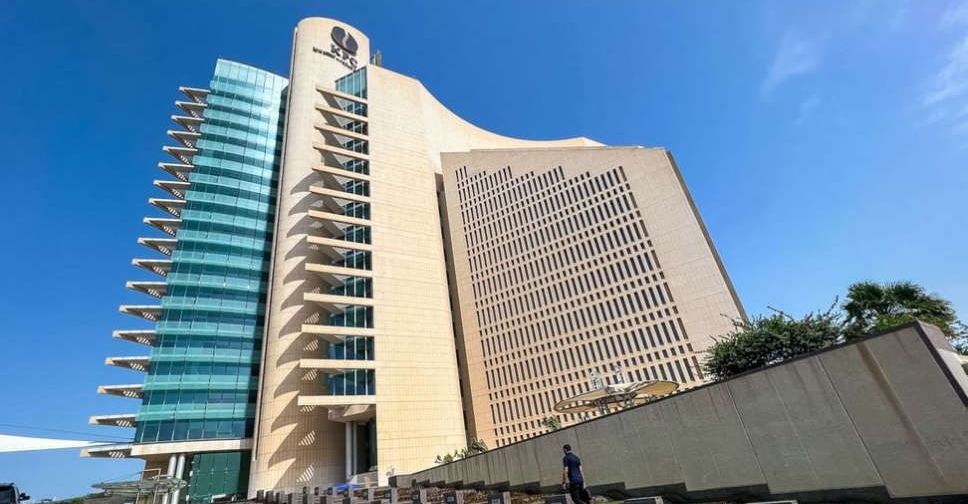 Fire breaks out at Kuwaiti refinery after drone attacks
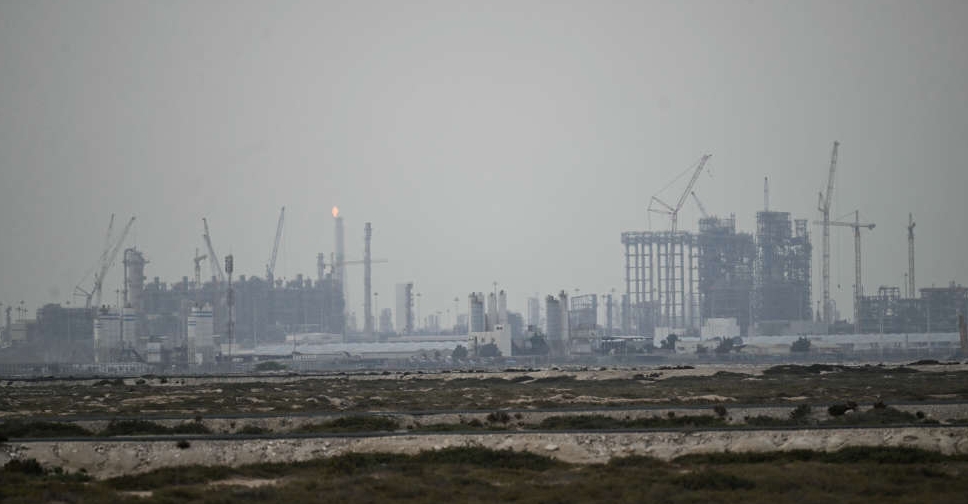 Four countries condemn Iranian attack on Ras Laffan in Qatar
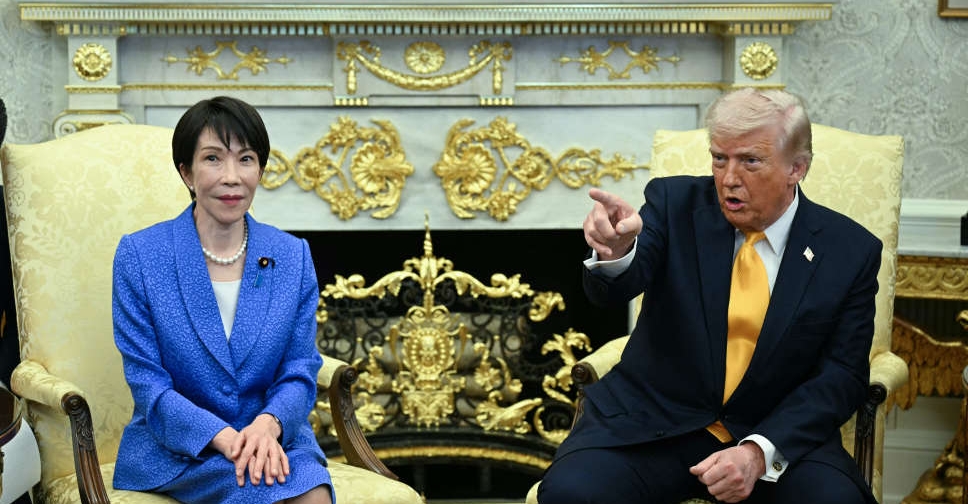 Trump compares Pearl Harbour to strikes on Iran in meeting Japan's leader
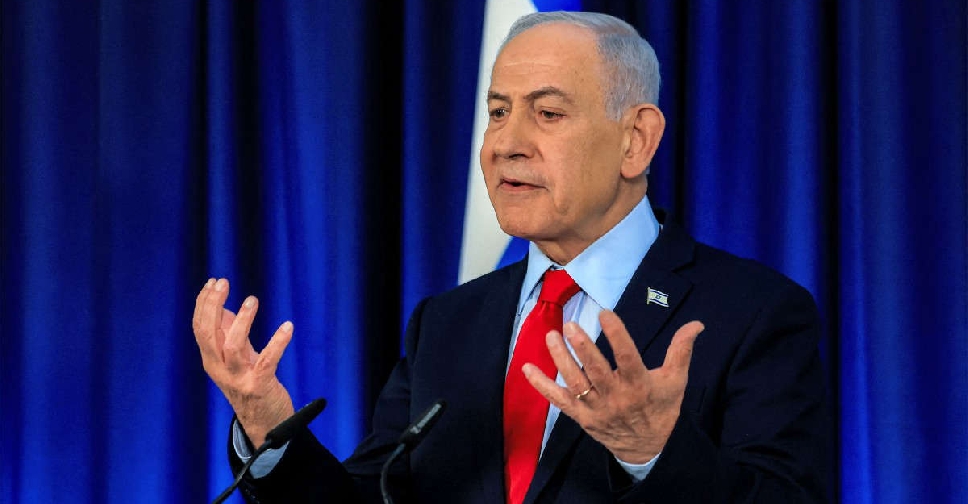 Netanyahu says Iran no longer has uranium enrichment capacity
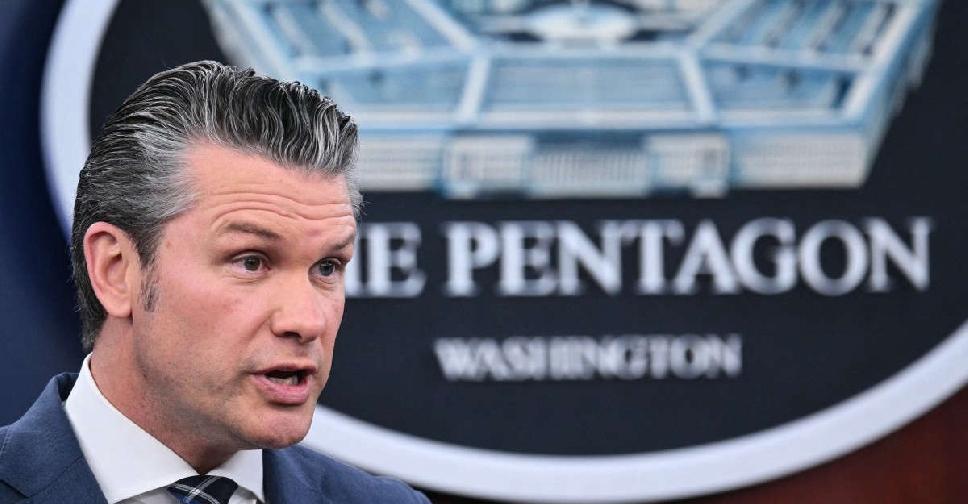 US objectives in Iran have not changed, says Hegseth