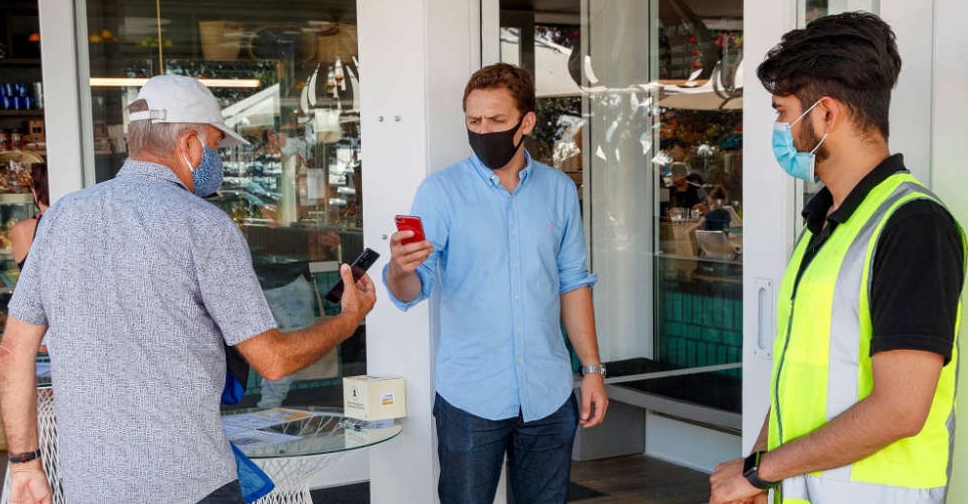
New Zealand on Tuesday postponed its phased border re-opening plans until the end of February citing the rapid global spread of the Omicron variant of the coronavirus.
The South Pacific nation had just started easing some of the world's toughest pandemic measures and its international border restrictions were to progressively loosen from January, with all foreign tourists allowed into the country from April.
Non-quarantine travel, which was to have opened for New Zealanders in Australia from January 16, would be pushed back until the end of February, COVID-19 Response Minister Chris Hipkins said at a press conference in Wellington.
"All of the evidence so far points to Omicron being the most transmissible COVID-19 variant yet.
"There's no doubt this is disappointing and will upset many holiday plans, but it's important to set these changes out clearly today so they can have time to consider those plans."
The measures were a precaution as it was still unclear how sick Omicron makes people and the impact it had on health systems was not yet fully understood, he said.
New Zealand also said the length of stay in state quarantine facilities would be increased from a week to 10 days.
The pre-departure test requirement to enter New Zealand was reduced from 72 hours to 48 hours before travel.
South Korea and the United States will cut short annual joint military drills to five days from 11 and scale back some field training, the allies said on Wednesday, after President Donald Trump ordered a substantial reduction in US participation.
At least 100 people were killed when a low-tech artisanal gold mine collapsed in the Central African Republic on Tuesday, a senior official at a local mining association said.
An Israeli airstrike killed nine Palestinians at a police station in Gaza on Wednesday, medics said, two days after US envoy Jared Kushner ended a trip to the region that failed to push forward Donald Trump's plan to end the war in the enclave.
Thai schools conducted active shooter drills on Wednesday, as authorities moved to strengthen security measures two weeks after a 14-year-old opened fire at a school and killed at least eight people.

 Kenya tourist helicopter crash kills seven
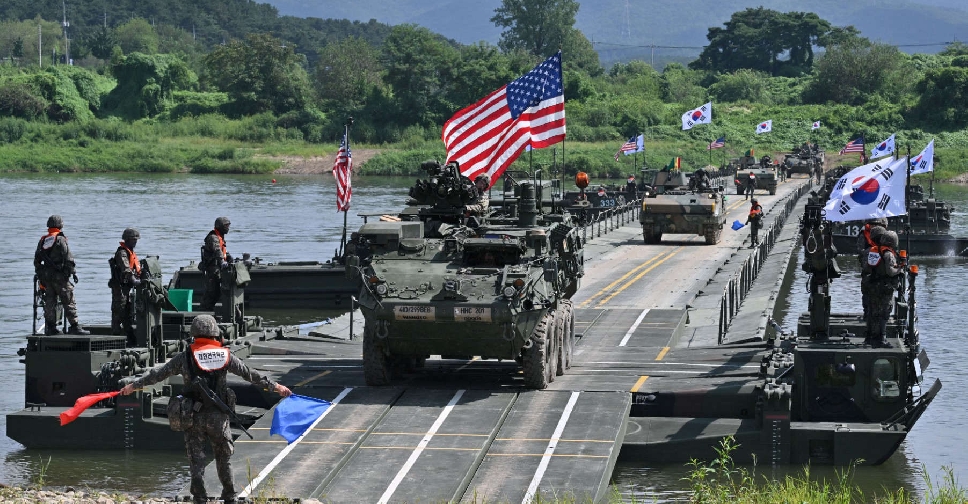 US, South Korea to cut length, scope of military drills after Trump order
 Central African Republic gold mine collapse kills at least 100
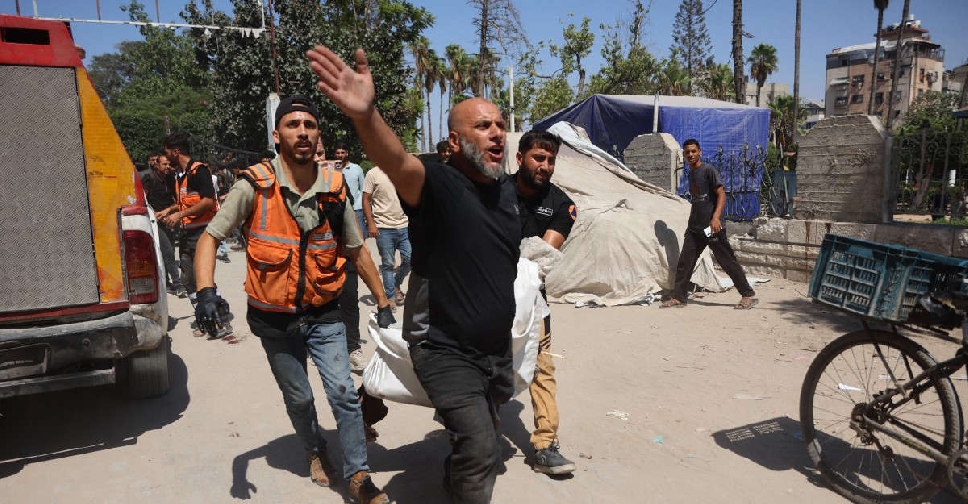 Israeli airstrike kills nine Palestinians at Gaza police station
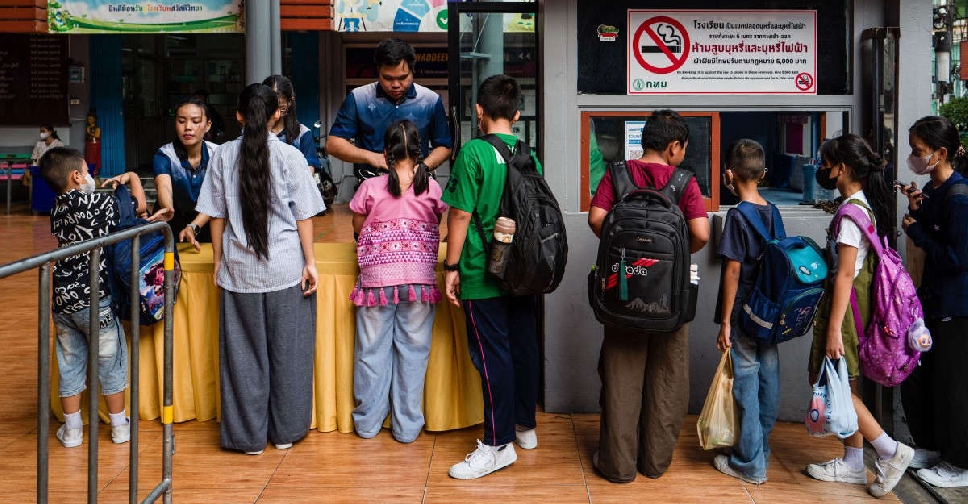 Thai schools hold shooting response drills after deadly school attack