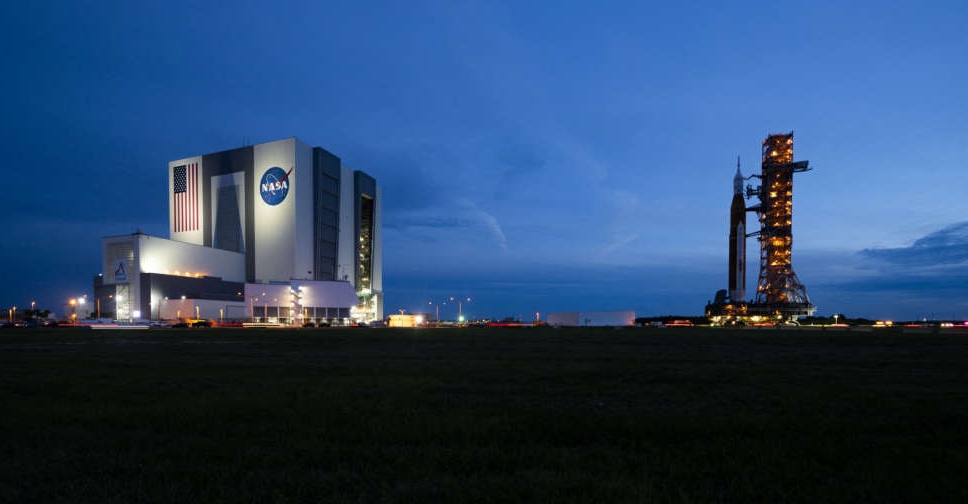
NASA is targeting November 14 for its next attempt to launch Artemis I, after technical difficulties and bad weather forced it to delay the first uncrewed test flight of a capsule to carry humans back to the moon.
The next attempt to launch the Space Launch System rocket that will carry the Orion spacecraft is planned during a 69-minute window that opens at 12:07 am EST (4:07 am GMT) on Wednesday, November 14, NASA said on its website.
The agency plans to roll the rocket back to the launch pad as early as Friday, November 4.
A stubborn fuel leak and the arrival of Hurricane Ian forced NASA to delay the launch of the uncrewed test flight over the last five weeks.
The Artemis I mission signals a major turning point for NASA's post-Apollo human spaceflight programme, after decades of focusing on low-orbit missions with space shuttles and the International Space Station.
Named for the goddess who was Apollo's twin sister in ancient Greek mythology, Artemis aims to return astronauts to the moon's surface as early as 2025, though many experts believe that time frame will likely slip.


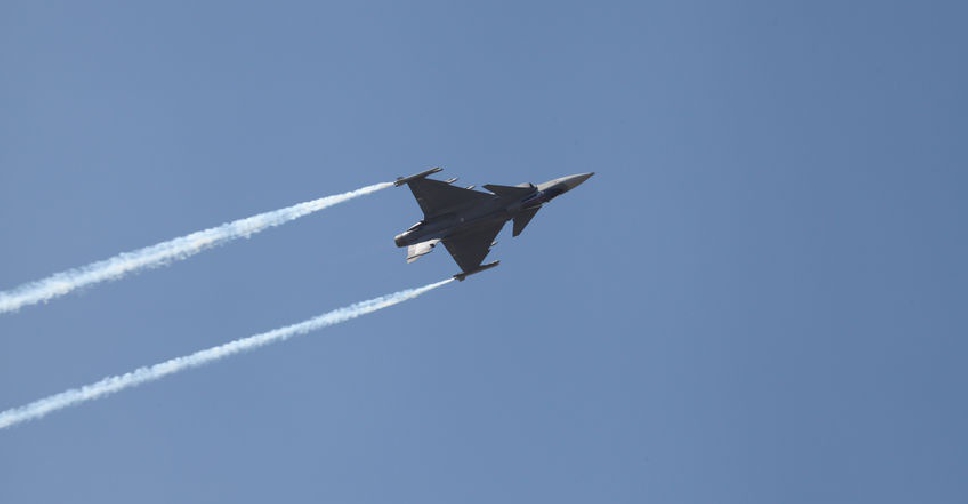 8 Israeli airstrikes hit Syria's Abu al-Duhur airbase, state TV reports
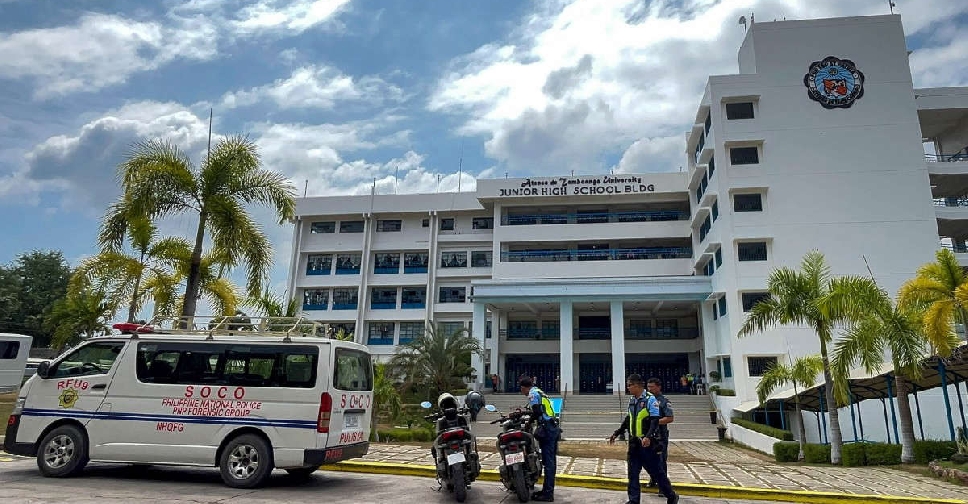 Two killed in high school shooting in southern Philippines
 Pakistan top court orders ex-PM Imran Khan be moved to hospital from jail
 Russian missile attack kills 10 in Ukraine's Kharkiv region, governor says
 Trump says Iran won't make deal he thinks is needed