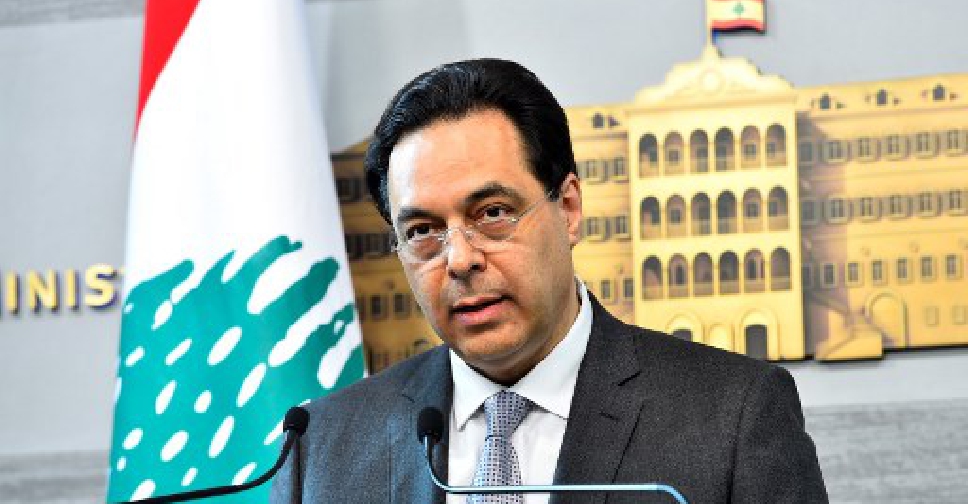
Lebanon's prime minister has announced the resignation of his government, after a devastating explosion in Beirut stirred public outrage and spurred a string of ministers to step down.
The August 4 port warehouse detonation of more than 2,000 tonnes of ammonium nitrate killed at least 163 people, injured over 6,000 and destroyed swathes of the bustling Mediterranean capital, compounding months of political and economic meltdown.
Demonstrations broke out again in central Beirut, with some protesters hurling rocks at security forces guarding an entrance leading to the parliament building, who responded with tear gas.
Diab, who said on Saturday he would request early parliamentary elections, delivered an address to the nation at 8:30 p.m. UAE time (1630 GMT) on Monday.
For many ordinary Lebanese, the explosion was the last straw in a protracted crisis over the collapse of the economy, endemic corruption, waste and dysfunctional governance, and they have taken to the streets demanding root-and-branch change.
The information and environment ministers quit on Sunday as well as several lawmakers, and the justice minister followed them out the door on Monday. Finance Minister Ghazi Wazni, a key negotiator with the IMF over a rescue plan to help Lebanon exit a financial crisis, was set to resign, a source close to him said.
Lebanon's president had previously said explosive material was stored unsafely for years at the port. He later said the investigation would consider whether the cause was external interference as well as negligence or an accident.


 Thai schools hold shooting response drills after deadly school attack
 Bus-truck head-on collision in Parana, Brazil kills at least 21
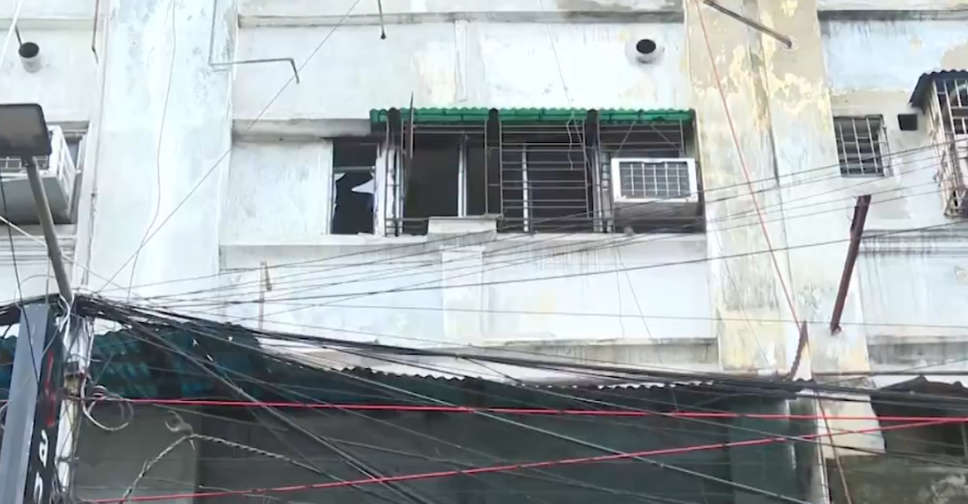 At least 9 killed in hotel fire in India's Kolkata
 Russian drone attacks kill five in Ukraine's Kherson, governor says
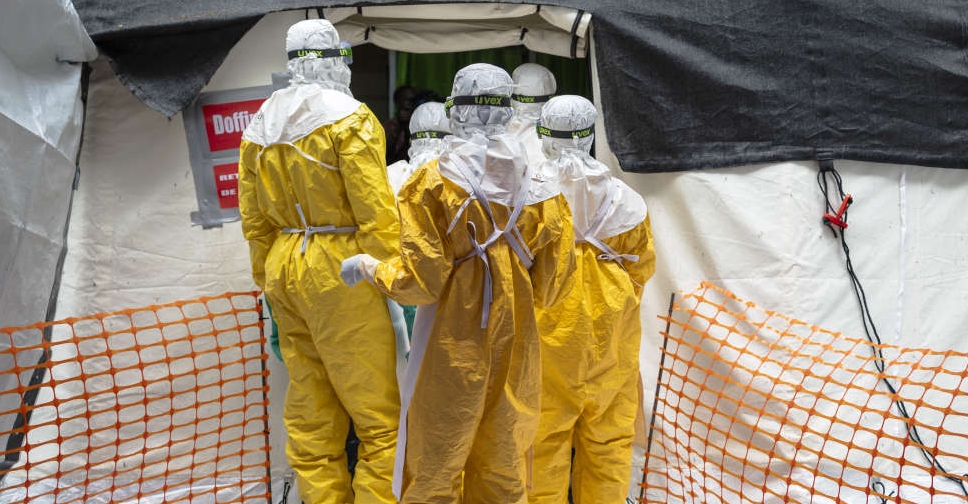 Ebola cases in Congo exceed 5,000, government data shows