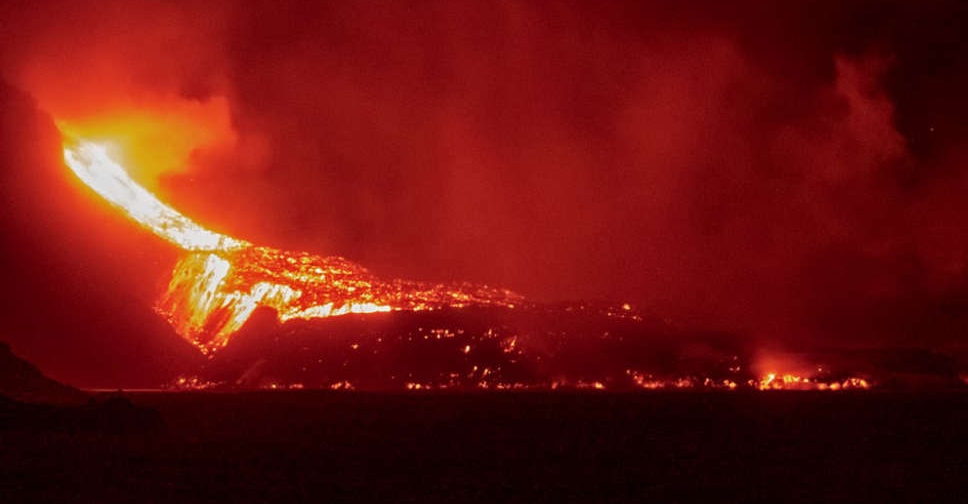
Lava flowed from a newly opened crack in the Cumbre Vieja volcano on Spain's La Palma on Friday, carving a different path down the mountainside from previous flows, and a rain of fine ash forced islanders to don masks and goggles.
A river of red-hot lava snaked downhill from the new fissure, which burst open late on Thursday around 400 metres to the north of the primary eruption site.
Multiple vents have opened since the volcano began erupting on September 19 but the Canaries Volcanology Institute described the latest opening as a new "focus of eruption".
Eduardo Suarez, a volcanologist with Spain's National Geographic Institute in Tenerife, said it was too early to tell if the new flow would endanger more homes.
A spokesperson for the Canary Islands' emergency services said no more evacuations had been ordered and the Pevolca emergency volcano committee was evaluating data on the new eruption.
About 6,000 people have been evacuated since the eruption began and are yet to return home. More than 800 buildings including houses, churches and schools have been destroyed.
Residents of Los Llanos de Aridane, one of the worst affected towns, have taken to carrying umbrellas and wearing eye protection as a precaution against the volcanic dust blanketing the streets and floating in the air.
The US objectives in its war against Iran have not changed since strikes started on February 28, Defence Secretary Pete Hegseth said on Thursday, and he accused the media of stirring up concerns that the country risked being locked in an open-ended conflict with shifting priorities.
US President Donald Trump said an angry Israel "violently lashed out" and attacked Iran's major gas field, a significant escalation in the US-Israeli war, but ruled out further such attacks by Israel unless Iran retaliated further.
US President Donald Trump greeted Japan's Prime Minister Sanae Takaichi warmly at the White House on Thursday and said he believed Japan was "really stepping up to the plate" on Iran.
Israel reopened the Rafah crossing with Egypt on Thursday after nearly three weeks to allow some wounded Palestinians to leave for treatment, after Gaza medics said Israeli strikes had killed four people in the enclave.


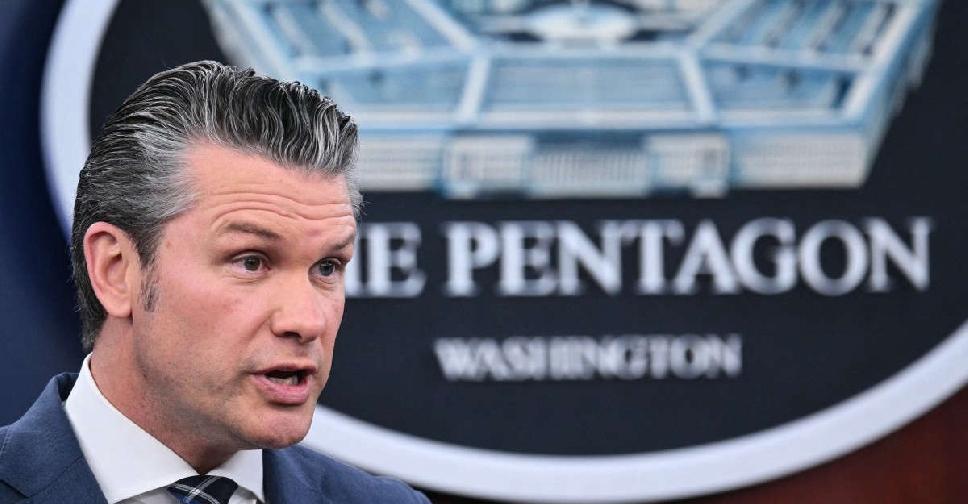 US objectives in Iran have not changed, says Hegseth
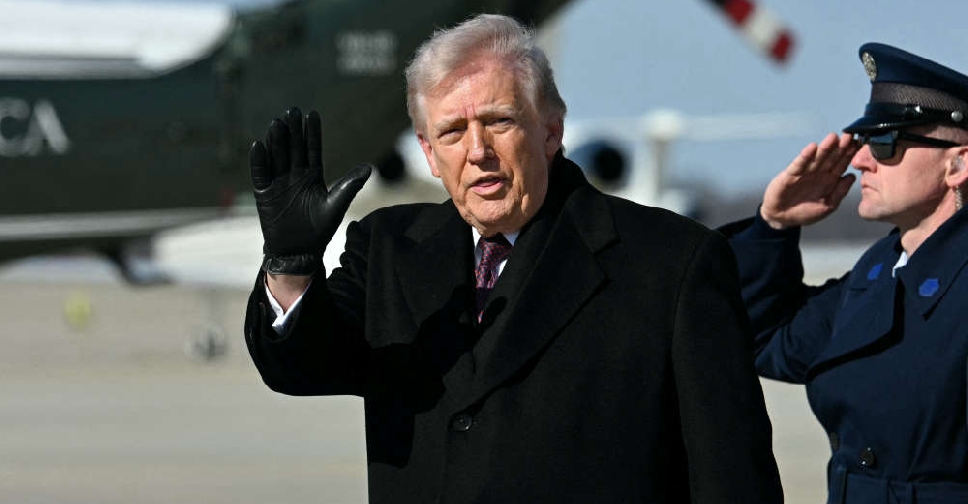 Trump vows no more attacks by Israel on Iran gas field
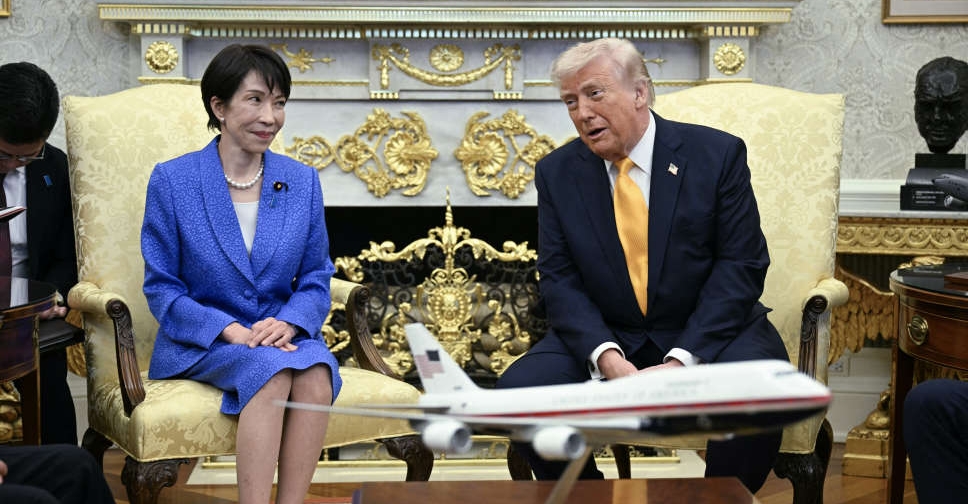 Trump hails Japanese leader, says Tokyo 'really stepping up to the plate' on Iran
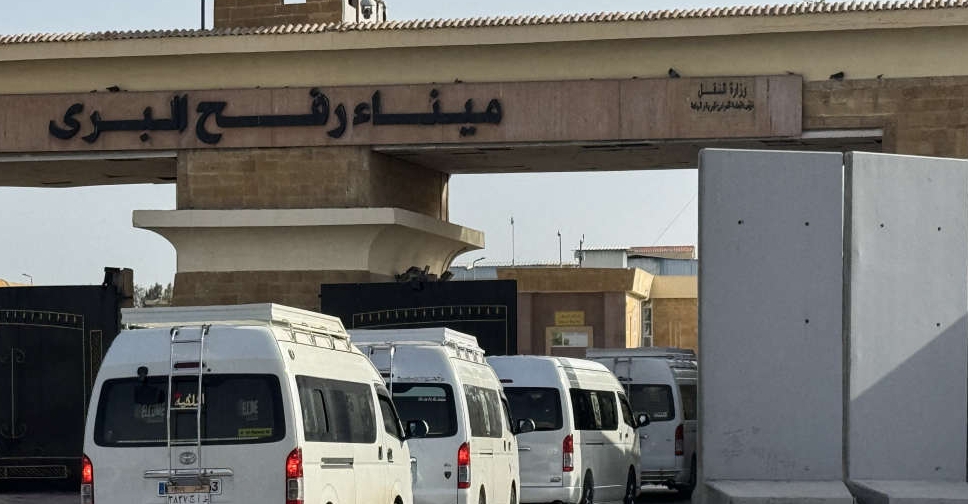 Israel reopens key Gaza crossing amid new truce push
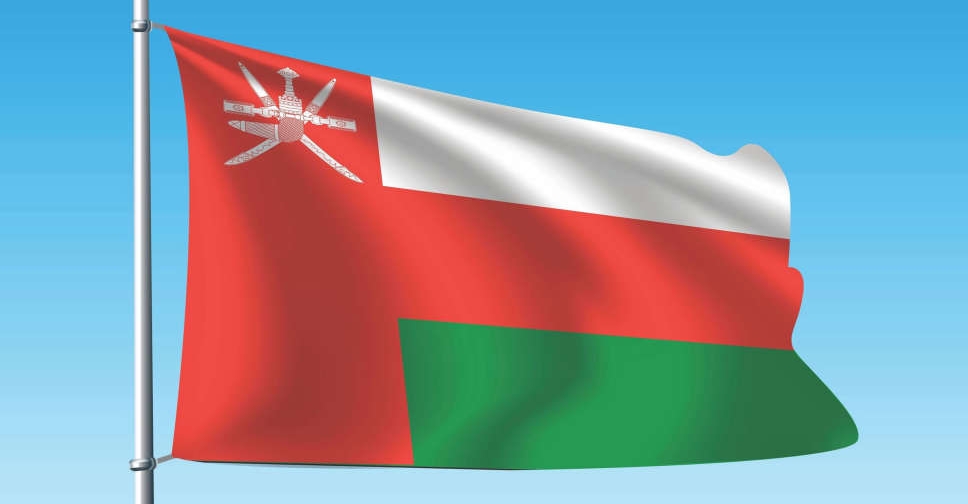 Oman condemns attacks on UAE, Qatar, Saudi Arabia