Iran's President Masoud Pezeshkian has issued an order to reopen international internet access, Iranian state media reported on Monday, citing an official after a near-90-day blackout in the wake of the war against US and Israel.
The report cited the head of public relations at Iran’s Communications Ministry.
The mechanism for how and when Iran would reconnect to the global web following the decision was unknown.
Most Iranians have been unable to access the worldwide web for 87 days according to the internet observatory NetBlocks on Monday, with only a few citizens having access to expensive and advanced VPNs that circumvent the restrictions.
Authorities initially imposed an internet blackout from January 8 in response to nationwide anti-government protests, with connections gradually getting back to normal in February, before a new blackout was initiated following the start of US and Israeli strikes against Iran on February 28.
In normal times, access to the global internet remains heavily restricted via censorship of many websites, while authorities are increasingly relying on an intranet to provide connected services without relying on the worldwide web, notably for schools which are currently following an online curriculum.

 Several people detained in India's Gen Z-led protests against voter roll changes
 Trump shares Republican senator's phone number in feud over time switch
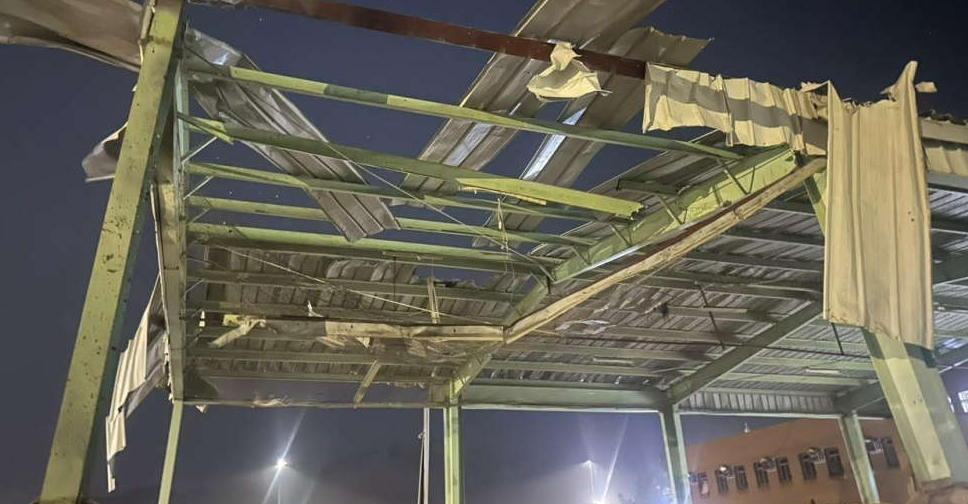 Saudi Arabia says shrapnel from intercepted ballistic missile in Asir injures one
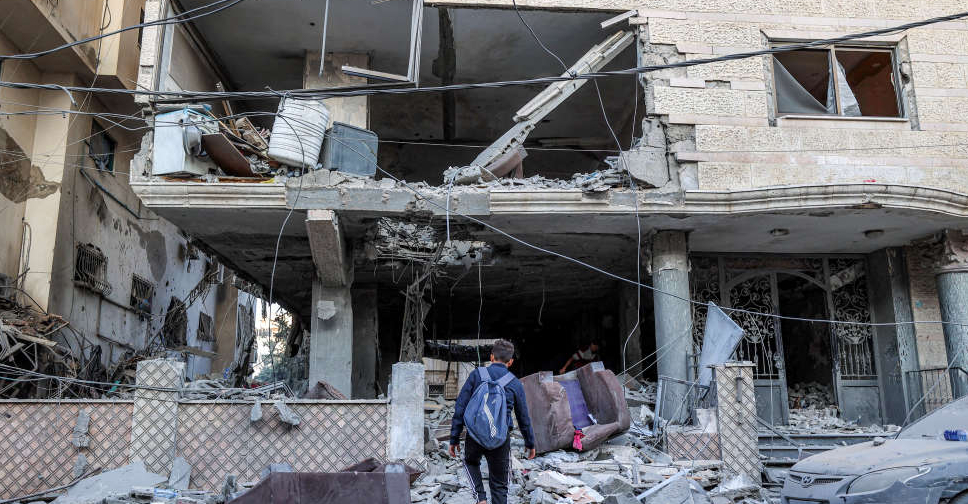 Israeli strike kills five in Gaza, health officials say
 Nine injured in Australia as car crashes into crowd north of Sydney