India must uphold a water-sharing treaty with Pakistan it suspended amid bilateral tensions and must limit work on an hydroelectric plant it is building in the Kashmir region, the Permanent Court of Arbitration in the Hague said on Monday.
India in April last year suspended the treaty that ensures water supply to 80 per cent of Pakistani farms, after India identified as Pakistani two of three assailants in an attack that killed 26 people at a tourist destination in Jammu and Kashmir that month.
Islamabad denied any role in the attack and took legal action after India last year also began work to boost reservoir holding capacity at two hydroelectric projects in the Kashmir region.
This was seen as a first tangible step by India to operate outside agreements covered by the Indus Waters Treaty between the two countries, which both have honoured since 1960 despite three wars and several other conflicts between them.
The Permanent Court of Arbitration said the Indus Water Treaty remained fully in force, as India had no justification for ending or suspending the agreement.
"India must observe its obligations under the Treaty, including those relating to the design and operation of its hydro-electric projects on the Western Rivers," the intergovernmental court said.
🔸 #PCA Press Release | The Indus Waters Western Rivers Arbitration (Islamic Republic of Pakistan v. Republic of India) 🔸
— Permanent Court of Arbitration (@PCA_CPA) August 31, 2026
𝗧𝗵𝗲 𝗖𝗼𝘂𝗿𝘁 𝗼𝗳 𝗔𝗿𝗯𝗶𝘁𝗿𝗮𝘁𝗶𝗼𝗻 𝗜𝘀𝘀𝘂𝗲𝘀 𝗔𝘄𝗮𝗿𝗱 𝗼𝗻 𝘁𝗵𝗲 𝗦𝘁𝗮𝘁𝘂𝘀 𝗼𝗳 𝘁𝗵𝗲 𝗜𝗻𝗱𝘂𝘀 𝗪𝗮𝘁𝗲𝗿𝘀 𝗧𝗿𝗲𝗮𝘁𝘆 𝗮𝗻𝗱… pic.twitter.com/0QWASt85Cw
India, which is officially a member of the court, said it did not recognise the court and "categorically" rejected the verdict.
"This so-called Court of Arbitration has no jurisdiction whatsoever to pronounce on India's sovereign decisions," India's Ministry of Foreign Affairs said in a statement.
"Its pronouncements, now or in the future, will have no effect on India's actions in connection with the projects being undertaken by India."
The court said a neutral expert, appointed by the World Bank, would judge by July 2027 whether the construction of hydroelectric plants in the Himalayan region was in line with the treaty.
Agreeing with a demand by Pakistan, the court said India was not allowed to build the dam wall and power intake structure at the Ratle Hydro-Electric Plant above certain levels until 90 days after the neutral expert's decision.

 Swiss police arrest suspect after deadly rave shooting
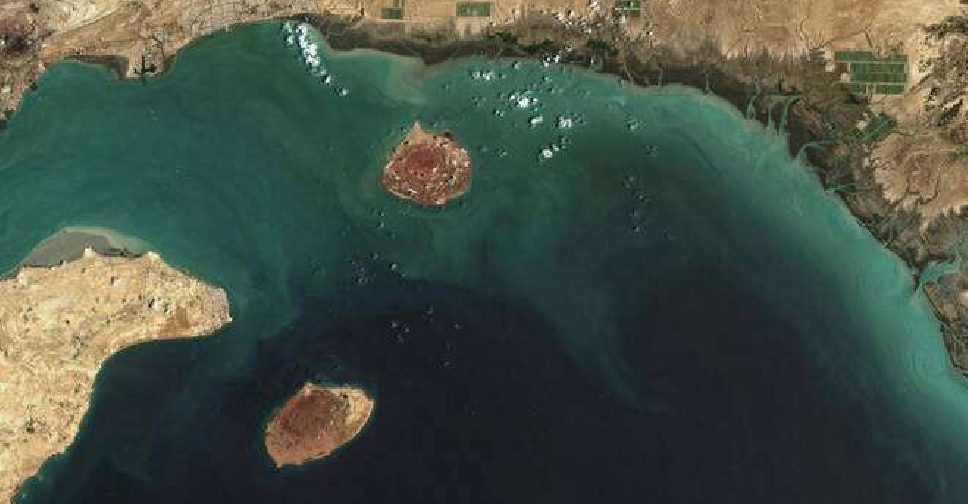 US strikes Iranian launchers on Larak Island
 Nepal teams seek hundreds trapped in hydropower tunnels after deadly floods
 Italy, Spain extend tit-for-tat border controls after Ceuta migrant surge
 Jordan intercepts eight missiles in airpace