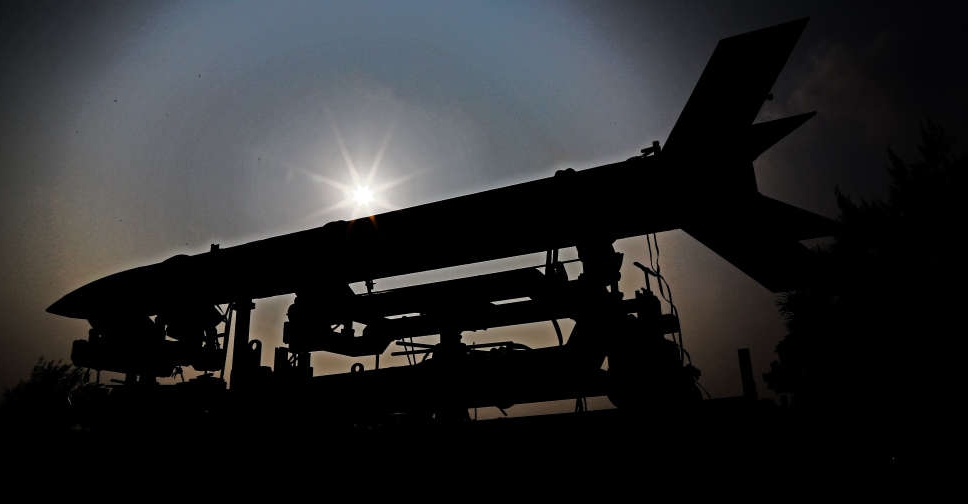
India launched its first privately developed rocket, the Vikram-S, on Friday, a milestone in the country's effort to create a commercial space industry.
The 545-kg rocket developed by space startup Skyroot took off from the Indian space agency's launch site near Chennai.
The rocket has the capability of reaching Mach 5 - five times the speed of sound - and carrying a payload of 83 kg to 100 km.
Video footage showed the rocket taking off from the space centre, leaving a plume of smoke and fire in its trail.
Hyderabad-based Skyroot, founded in 2018 and backed by Singapore sovereign wealth fund GIC, was the first space startup to sign an agreement to use Indian Space Research Organisation (ISRO) launch and test facilities after the government opened the door to private companies in 2020.
It has raised $5.26 billion rupees ($64.42 million) so far and employs about 200 people. Close to 100 people have been involved in its maiden launch project, the company said.
The rocket is expected to reach an altitude of about 81 km before splashing down in about five minutes.
Thai schools conducted active shooter drills on Wednesday, as authorities moved to strengthen security measures two weeks after a 14-year-old opened fire at a school and killed at least eight people.
At least 21 people have died and four others injured in a head-on collision between a bus and a truck in the BR-373 highway in Brazil's southern state of Parana, the road operator said on Wednesday in an X post.
A Russian drone strike on a minibus in Ukraine's southern city of Kherson has killed four people on Wednesday, Ukrainian authorities said, in what President Volodymyr Zelenskyy described as a "vicious" attack.
The number of confirmed Ebola cases in the Democratic Republic of Congo now exceeds 5,000, government data has showed late on Tuesday, as health officials warn that response efforts are failing to contain the deadly disease.


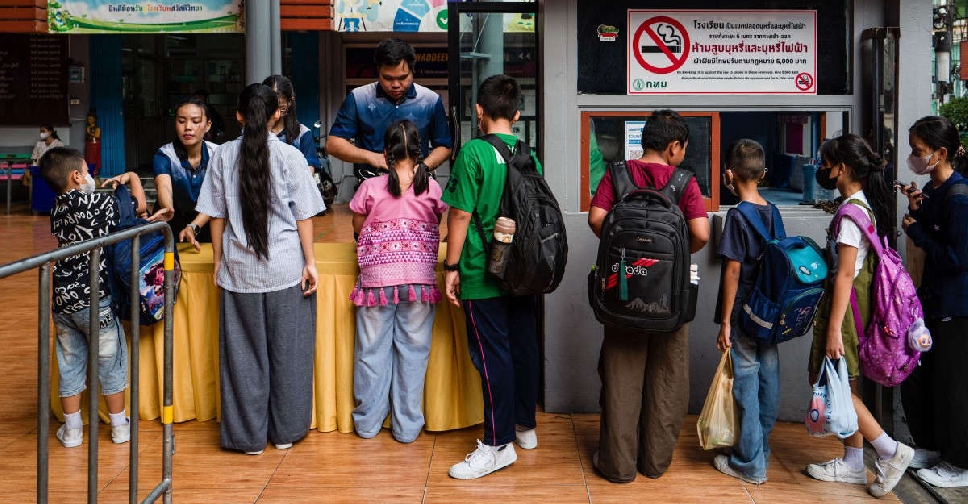 Thai schools hold shooting response drills after deadly school attack
 Bus-truck head-on collision in Parana, Brazil kills at least 21
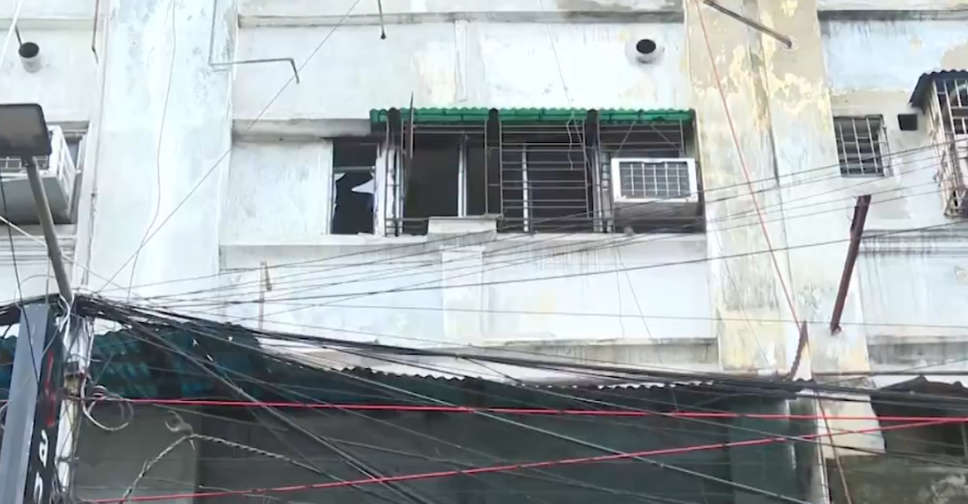 At least 9 killed in hotel fire in India's Kolkata
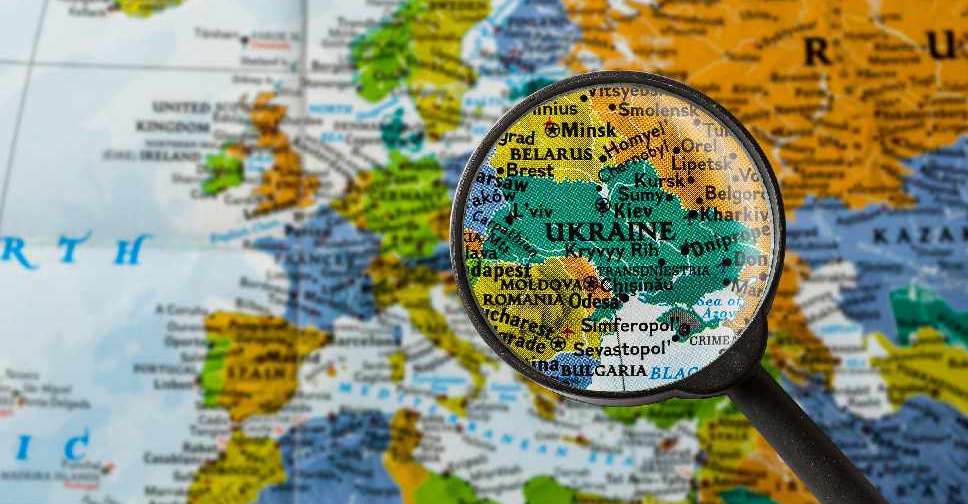 Russian drone attacks kill five in Ukraine's Kherson, governor says
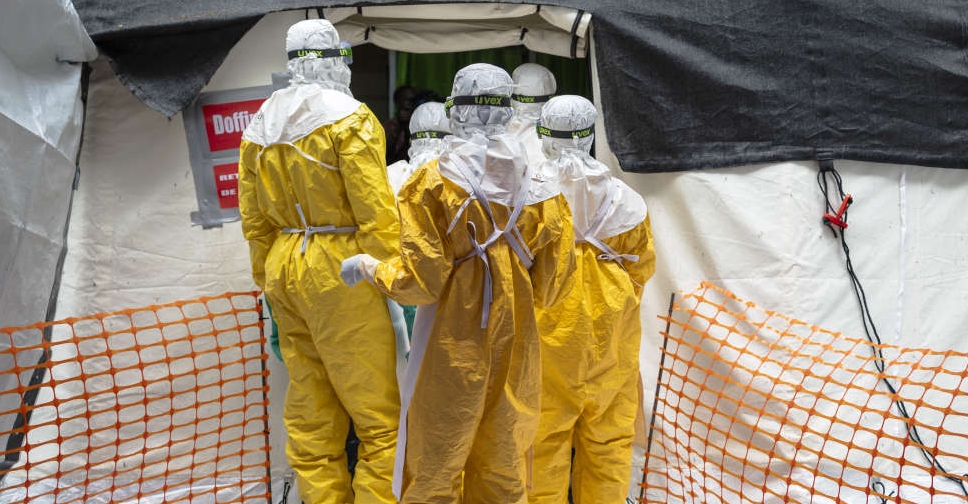 Ebola cases in Congo exceed 5,000, government data shows