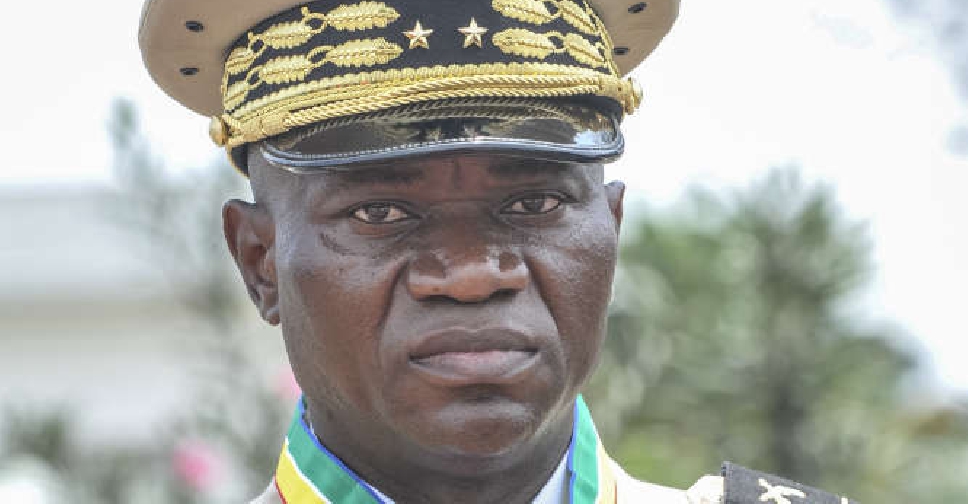
The leader of a coup that ousted Gabon's President Ali Bongo was sworn in as interim president by constitutional court judges on Monday in a televised ceremony designed to solidify the junta's grip on power.
In West and Central Africa's eighth coup in three years, military officers led by General Brice Oligui Nguema seized power on August 30, minutes after an announcement that Bongo had secured a third term in an election - a result they annulled and said was not credible.
Nguema was given a standing ovation by an audience of military officers and officials as he arrived for the ceremony, and again just after he was sworn in. State TV showed images of a cheering crowd and tanks firing into the sea to mark the moment.
The coup, which ended the Bongo family's 56-year hold on power in the oil-producing country, had drawn cheering crowds onto the streets of the capital Libreville but condemnation from abroad.
Leaders of the Central African regional bloc ECCAS are due to meet in person on Monday to discuss their response to the ouster. Last week they urged partners led by the United Nations and the African Union to support a rapid return to constitutional order.
The junta has not yet said how long it envisages holding power. On Friday, Nguema said it would proceed "quickly but surely," but cautioned that too much haste could lead to elections that lack credibility.
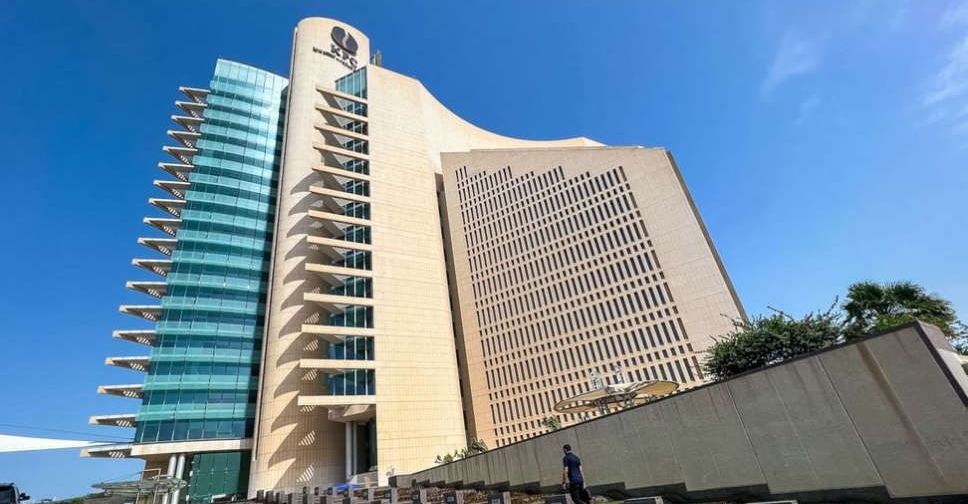
The Kuwait Petroleum Corporation (KPC) has announced that the Mina Al-Ahmadi Refinery, operated by Kuwait National Petroleum Company (KNPC), came under drone attacks early on Friday, with a fire breaking out at several units as a result.
France, Spain, Bahrain, and India have condemned the Iranian attack that targeted Qatar's Ras Laffan Industrial City during separate phone calls with Qatar's Emir Sheikh Tamim bin Hamad Al Thani.
President Donald Trump has drawn a parallel on Thursday between US strikes on Iran and Japan's 1941 attack on Pearl Harbour, as he defended the war he launched against Tehran while meeting Japanese Prime Minister Sanae Takaichi in Washington.
Iran no longer has the capacity to enrich uranium or make ballistic missiles after 20 days of US-Israeli air attacks, Israeli Prime Minister Benjamin Netanyahu told a news conference on Thursday.
The US objectives in its war against Iran have not changed since strikes started on February 28, Defence Secretary Pete Hegseth said on Thursday, and he accused the media of stirring up concerns that the country risked being locked in an open-ended conflict with shifting priorities.


 Fire breaks out at Kuwaiti refinery after drone attacks
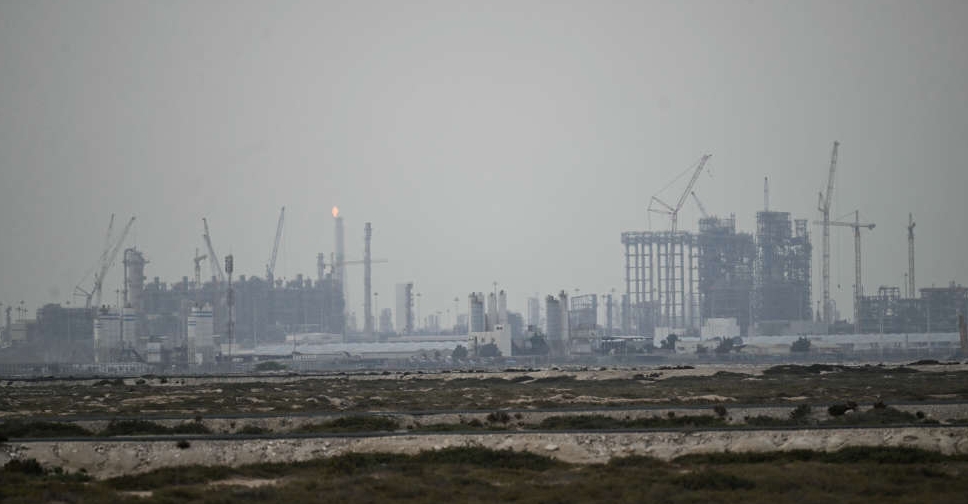 Four countries condemn Iranian attack on Ras Laffan in Qatar
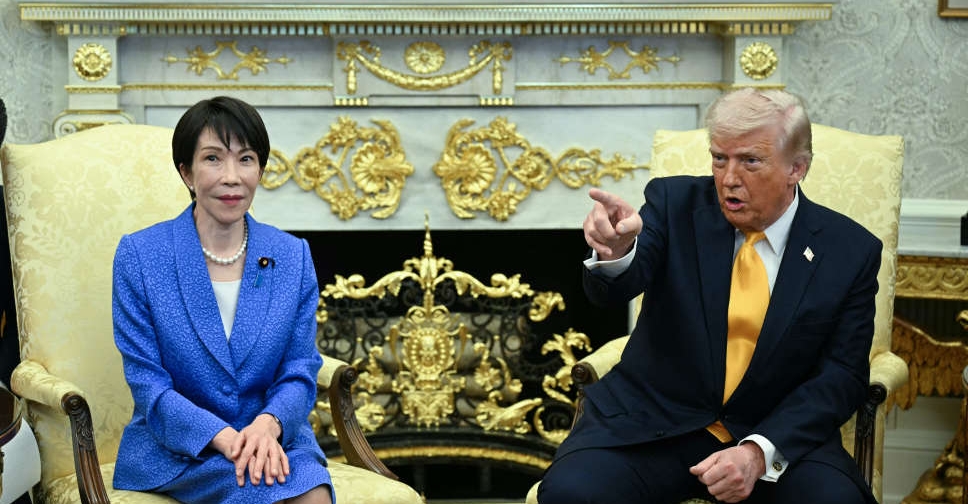 Trump compares Pearl Harbour to strikes on Iran in meeting Japan's leader
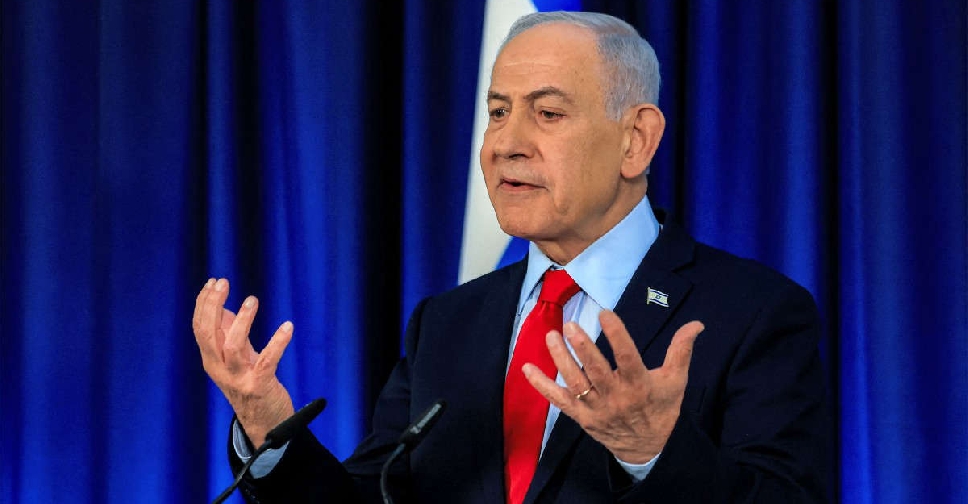 Netanyahu says Iran no longer has uranium enrichment capacity
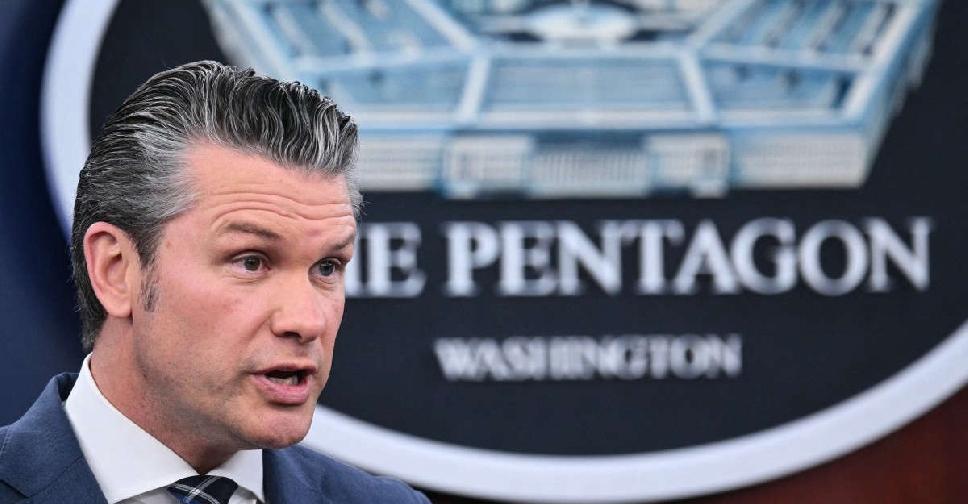 US objectives in Iran have not changed, says Hegseth