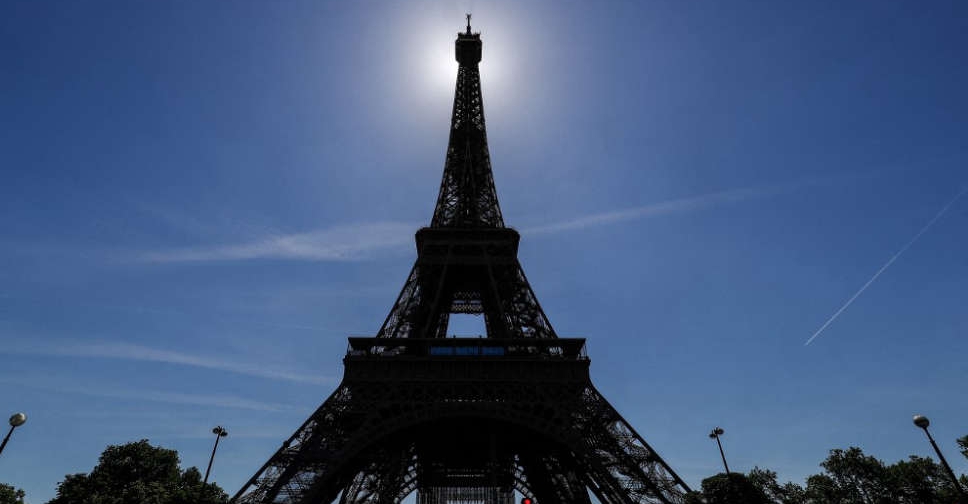
The Eiffel Tower reopened on Friday after an eight-month shutdown because of the COVID-19 pandemic, its longest closure since World War II.
As a countdown clock at the foot of the tower turned to zero, there were cheers and applause from visitors queuing to get in, a brass band started playing and people starting filing through the entrance.
"We feel pretty lucky to be here," said Patrick Perutka, an 18-year-old from Croatia who had been waiting for three hours for the gates to open.
He was on his first visit to the Eiffel Tower. "It's a big deal," he said of the tower.
Because of lingering concerns about the virus, masks remain compulsory for anyone over 11 years of age, and each elevator car will only carry half the normal number of visitors.
From July 21, visitors will need to show a French government "health pass" to demonstrate they are either vaccinated or have had a recent negative test for COVID-19.
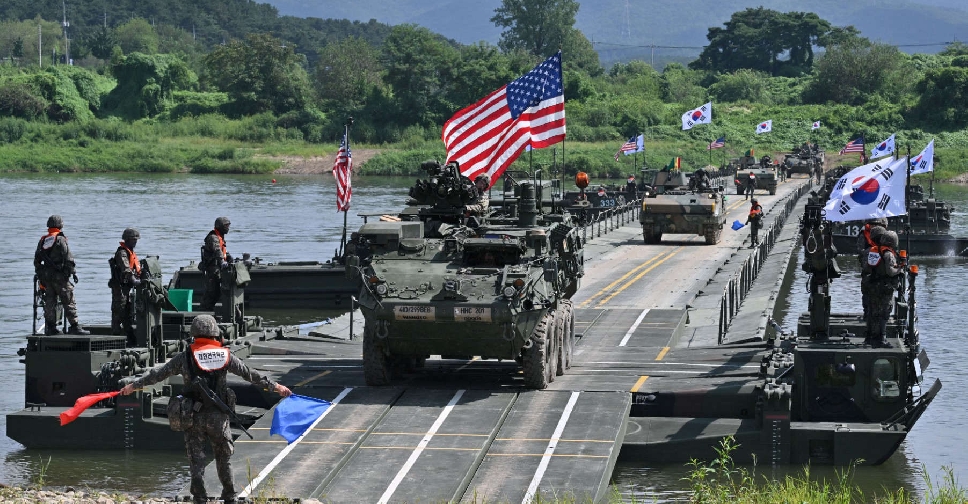
South Korea and the United States will cut short annual joint military drills to five days from 11 and scale back some field training, the allies said on Wednesday, after President Donald Trump ordered a substantial reduction in US participation.
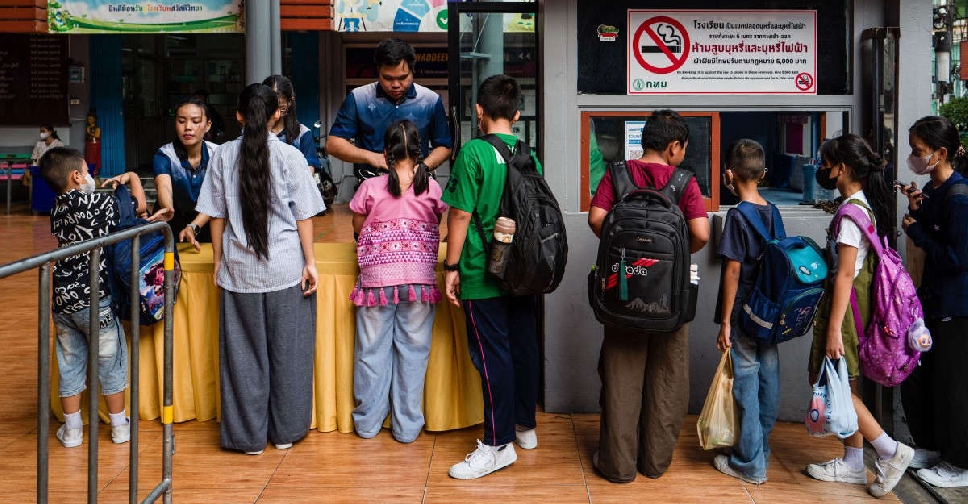
Thai schools conducted active shooter drills on Wednesday, as authorities moved to strengthen security measures two weeks after a 14-year-old opened fire at a school and killed at least eight people.
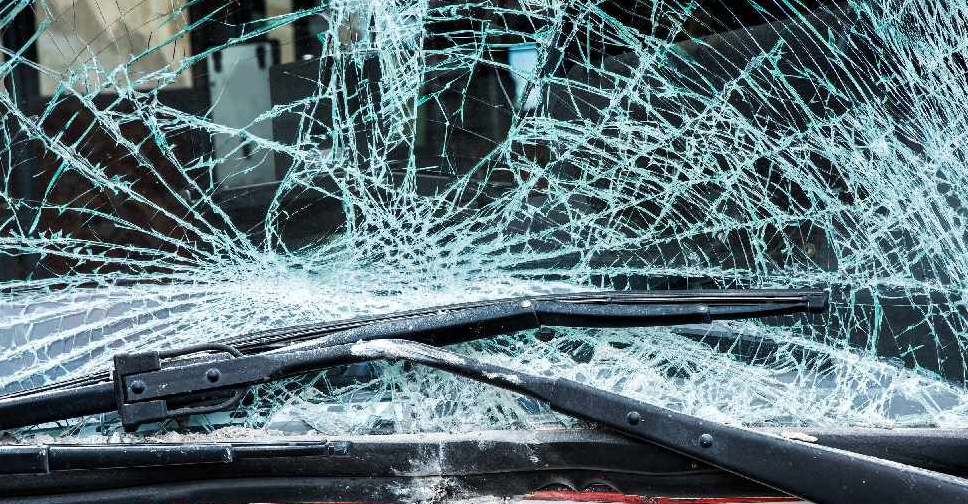
At least 21 people have died and four others injured in a head-on collision between a bus and a truck in the BR-373 highway in Brazil's southern state of Parana, the road operator said on Wednesday in an X post.
A Russian drone strike on a minibus in Ukraine's southern city of Kherson has killed four people on Wednesday, Ukrainian authorities said, in what President Volodymyr Zelenskyy described as a "vicious" attack.


 US, South Korea to cut length, scope of military drills after Trump order
 Thai schools hold shooting response drills after deadly school attack
 Bus-truck head-on collision in Parana, Brazil kills at least 21
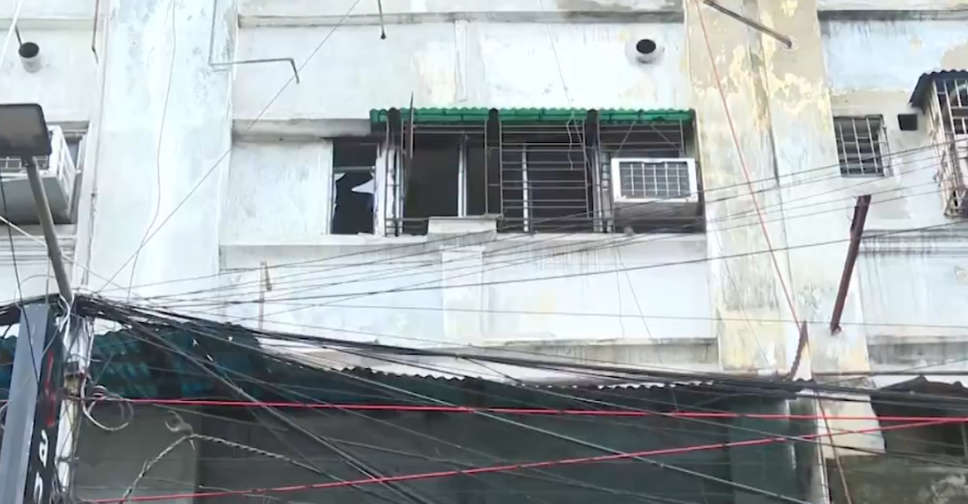 At least 9 killed in hotel fire in India's Kolkata
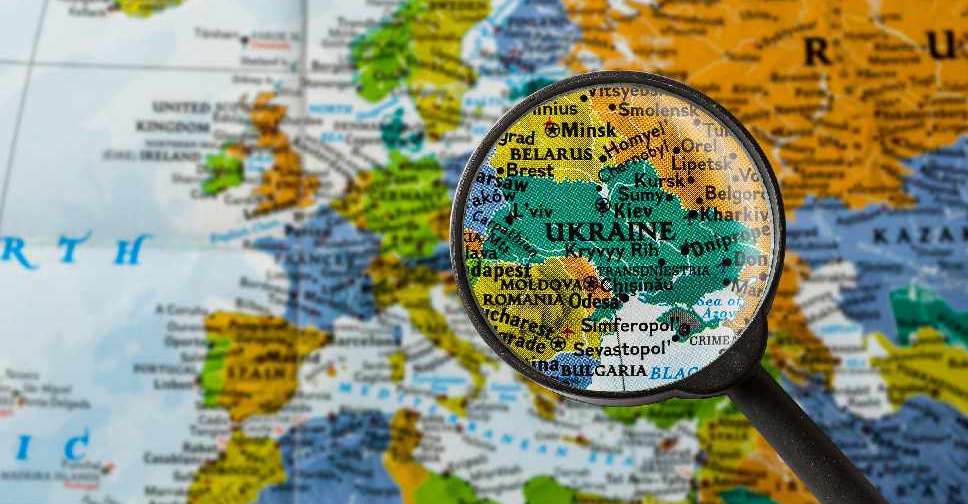 Russian drone attacks kill five in Ukraine's Kherson, governor says