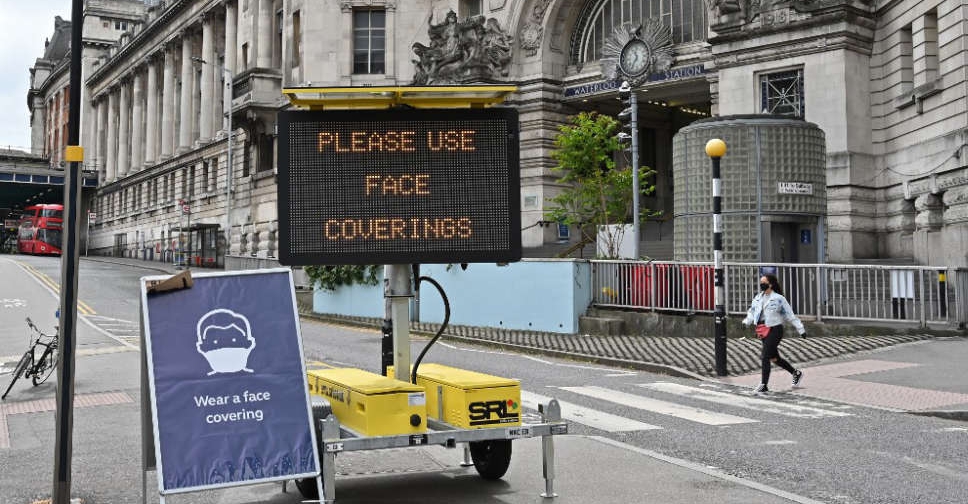
The COVID-19 self-isolation period will be reduced to seven days from 10 days for people in England who get a negative result on a lateral flow test two days in a row.
The British government said the decision will come into effect from Wednesday.
With the Omicron variant spreading rapidly in Britain and record levels of cases over the past week many industries are struggling with staff shortages, including hospitals who have warned of the risk of an impact on patient safety.
The UK Health Security Agency (UKHSA) said its analysis suggested a seven-day isolation period alongside two negative lateral flow test results had nearly the same protective effect as a 10-day isolation period without testing.
"We want to reduce the disruption from COVID-19 to people’s everyday lives," health secretary Sajid Javid said in a statement.
Rapid lateral flow tests, which are provided free by Britain's National Health Service, can be self-administered by people at home and give a result in 15 to 30 minutes.
Those who receive a negative lateral flow result on day six and day seven of their self-isolation period, with tests taken 24 hours apart, will no longer have to isolate for 10 days, the government said.
The UKHSA said it "strongly advised" those who leave their self-isolation after seven days to limit contact with others in crowded or poorly ventilated spaces, work from home and minimise contact with those most vulnerable to COVID-19.
"The new approach reflects latest evidence on how long cases transmit the virus for, and supports essential public services and supply chains over the winter, while still limiting the spread of the virus," the UKHSA said.


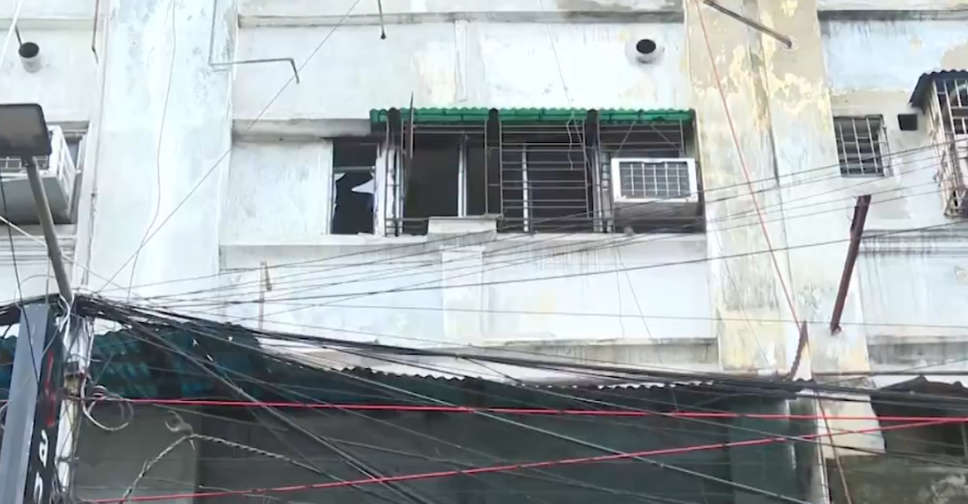 At least 9 killed in hotel fire in India's Kolkata
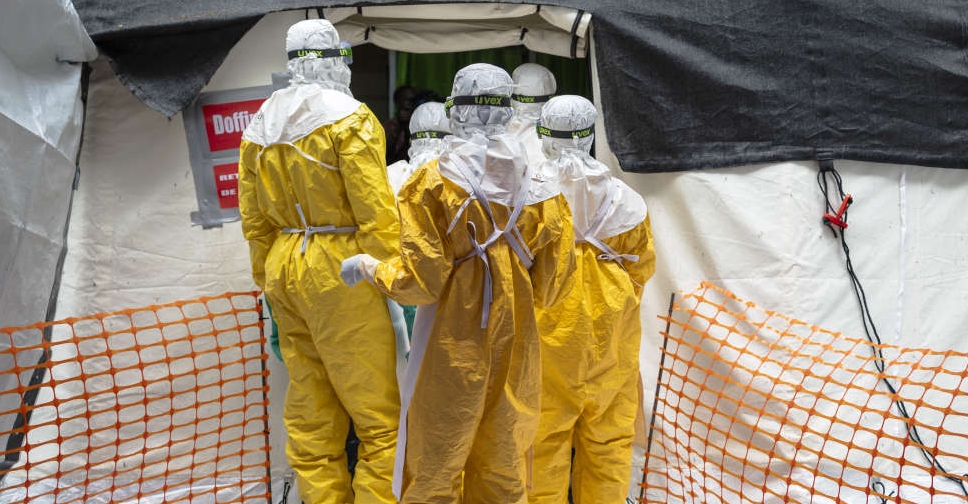 Ebola cases in Congo exceed 5,000, government data shows
 8 Israeli airstrikes hit Syria's Abu al-Duhur airbase, state TV reports
 Indonesia earthquake death toll rises to 70, government aid arrives
 China's torrential rains kill 10 in southwest as thousands evacuated