The International Atomic Energy Agency (IAEA) will provide diagnostic kits, equipment and training to countries that need help tackling the worldwide spread of COVID-19.
Fourteen countries in Africa, Asia, Latin America and the Caribbean have asked for assistance so far.
The nuclear-based detection technique can help diagnose coronavirus accurately within hours in humans, as well as in animals that may also host it.
The first training course will take place in Austria in two weeks’ time and for international medical and veterinary experts from Cambodia, Republic of Congo, Cote d´Ivoire, Ethiopia, Kenya, Madagascar, Malaysia, Mongolia, Philippines, Sri Lanka, Thailand and Vietnam.
Additional regional courses will be organised for other countries, including from Latin America and the Caribbean.
South Korea and the United States will cut short annual joint military drills to five days from 11 and scale back some field training, the allies said on Wednesday, after President Donald Trump ordered a substantial reduction in US participation.
At least 100 people were killed when a low-tech artisanal gold mine collapsed in the Central African Republic on Tuesday, a senior official at a local mining association said.
An Israeli airstrike killed nine Palestinians at a police station in Gaza on Wednesday, medics said, two days after US envoy Jared Kushner ended a trip to the region that failed to push forward Donald Trump's plan to end the war in the enclave.
Thai schools conducted active shooter drills on Wednesday, as authorities moved to strengthen security measures two weeks after a 14-year-old opened fire at a school and killed at least eight people.


 Kenya tourist helicopter crash kills seven
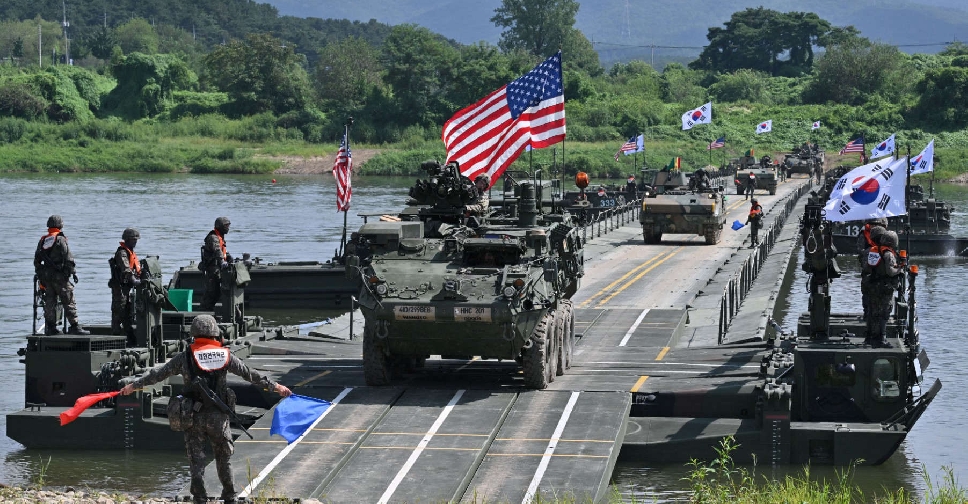 US, South Korea to cut length, scope of military drills after Trump order
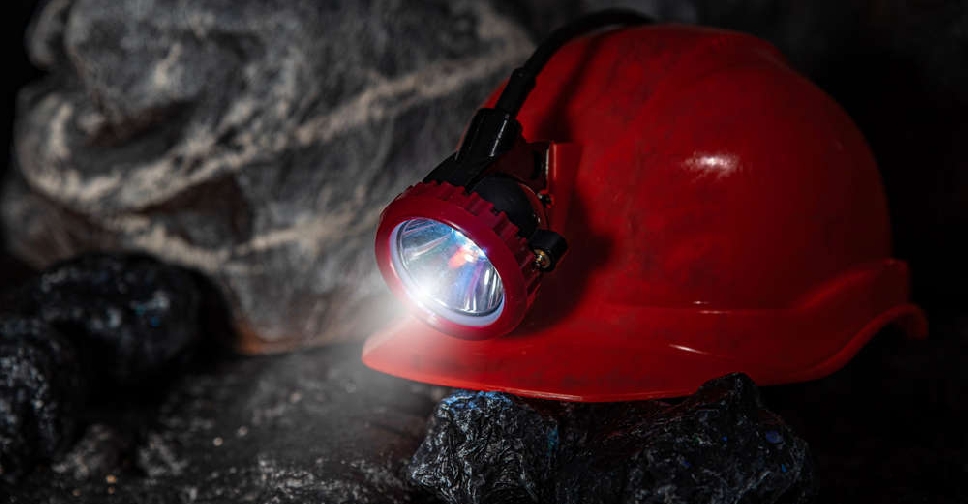 Central African Republic gold mine collapse kills at least 100
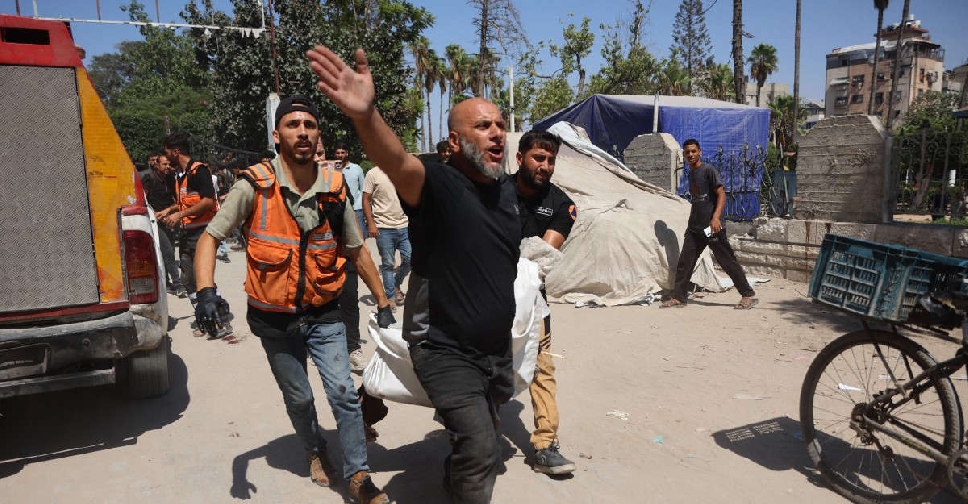 Israeli airstrike kills nine Palestinians at Gaza police station
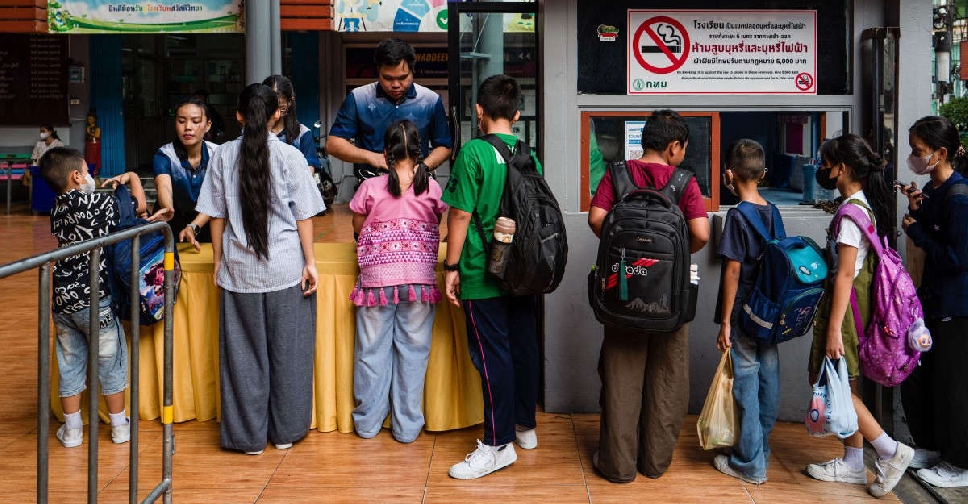 Thai schools hold shooting response drills after deadly school attack