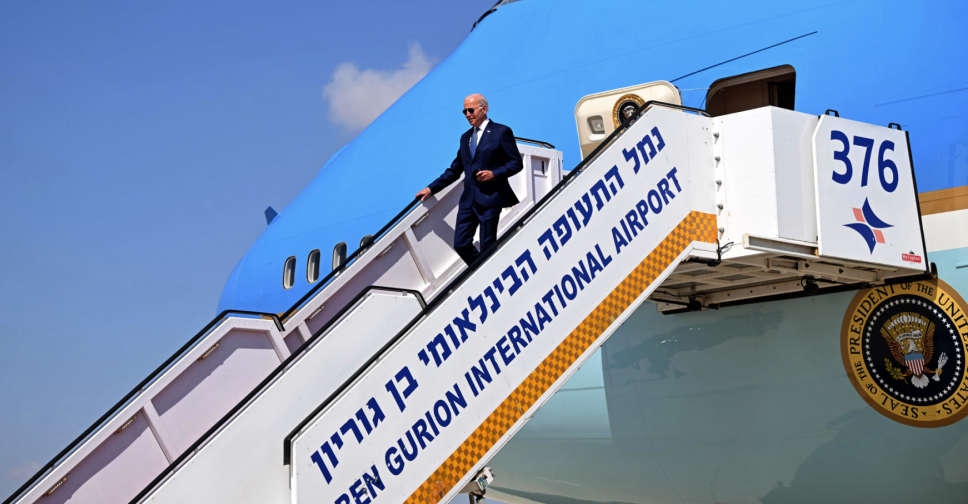
US President Joe Biden arrived in Israel on Wednesday, kicking off a high-stakes trip to the Middle East dominated by efforts to persuade Gulf allies to pump more oil.
Biden will spend two days in Jerusalem for talks with Israeli leaders before meeting Palestinian President Mahmoud Abbas on Friday in the occupied West Bank.
Afterward, he will take a direct flight from Israel to Jeddah, Saudi Arabia - a first for an American president - on Friday for talks with Saudi officials and to attend a summit of Gulf allies.
Biden's trip - the first to the Middle East as president - aims to promote regional stability.
"This trip will reinforce a vital American role in a strategically consequential region," US national security adviser Jake Sullivan said on Monday.
Biden, under pressure at home to bring down soaring gasoline prices that have damaged his standing in public opinion polls, is expected to press Gulf allies to expand oil production to help bring down gasoline prices.
Biden will make brief remarks on Wednesday at an arrival ceremony in Israel and he will receive a briefing from Israeli defense officials on the US-supported Iron Dome defense system and a new laser-enabled system called Iron Beam.
Biden will also meet past prime minister Benjamin Netanyahu, now the opposition leader.
France, Spain, Bahrain, and India have condemned the Iranian attack that targeted Qatar's Ras Laffan Industrial City during separate phone calls with Qatar's Emir Sheikh Tamim bin Hamad Al Thani.
Iran no longer has the capacity to enrich uranium or make ballistic missiles after 20 days of US-Israeli air attacks, Israeli Prime Minister Benjamin Netanyahu told a news conference on Thursday.
The US objectives in its war against Iran have not changed since strikes started on February 28, Defence Secretary Pete Hegseth said on Thursday, and he accused the media of stirring up concerns that the country risked being locked in an open-ended conflict with shifting priorities.
US President Donald Trump said an angry Israel "violently lashed out" and attacked Iran's major gas field, a significant escalation in the US-Israeli war, but ruled out further such attacks by Israel unless Iran retaliated further.
US President Donald Trump greeted Japan's Prime Minister Sanae Takaichi warmly at the White House on Thursday and said he believed Japan was "really stepping up to the plate" on Iran.


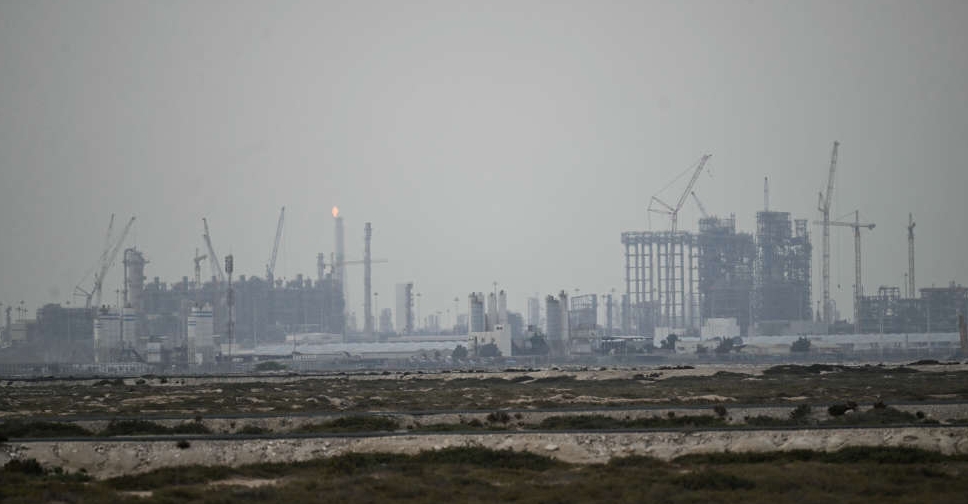 Four countries condemn Iranian attack on Ras Laffan in Qatar
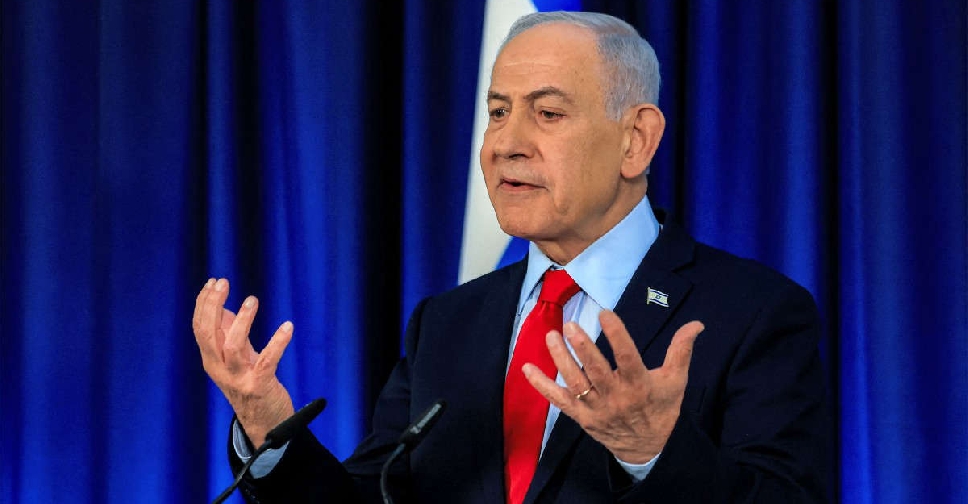 Netanyahu says Iran no longer has uranium enrichment capacity
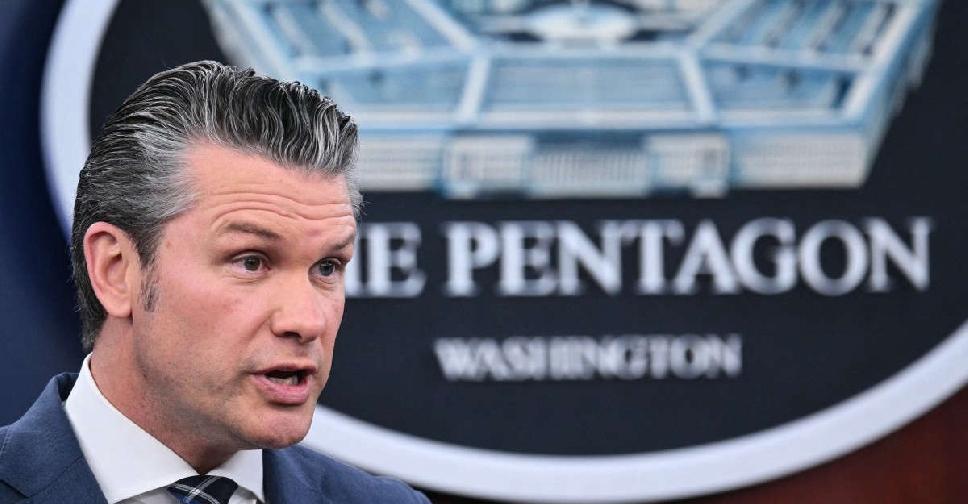 US objectives in Iran have not changed, says Hegseth
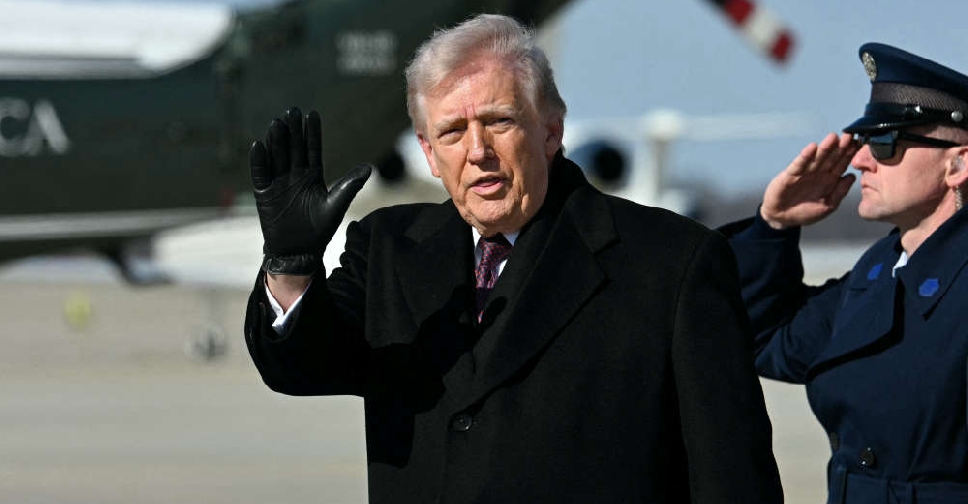 Trump vows no more attacks by Israel on Iran gas field
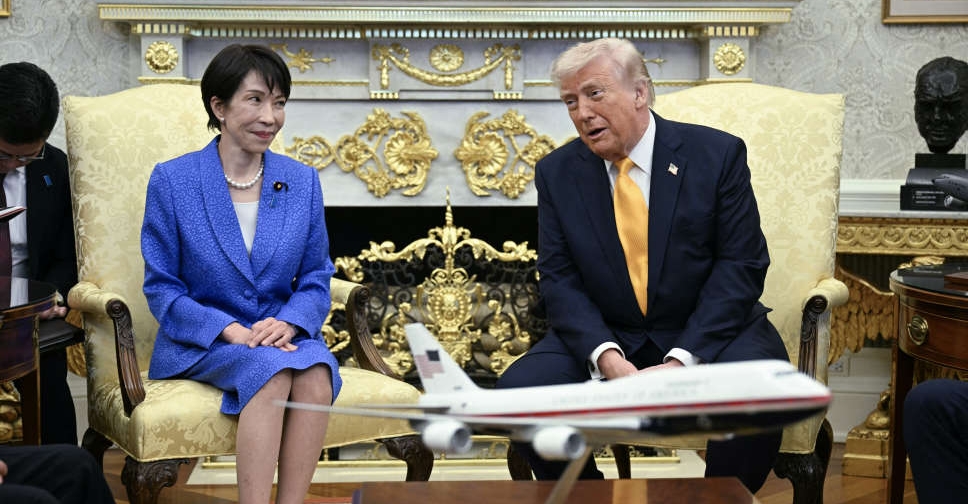 Trump hails Japanese leader, says Tokyo 'really stepping up to the plate' on Iran