The US says Russia launched a satellite last week which it believes is a weapon capable of inspecting and attacking other satellites.
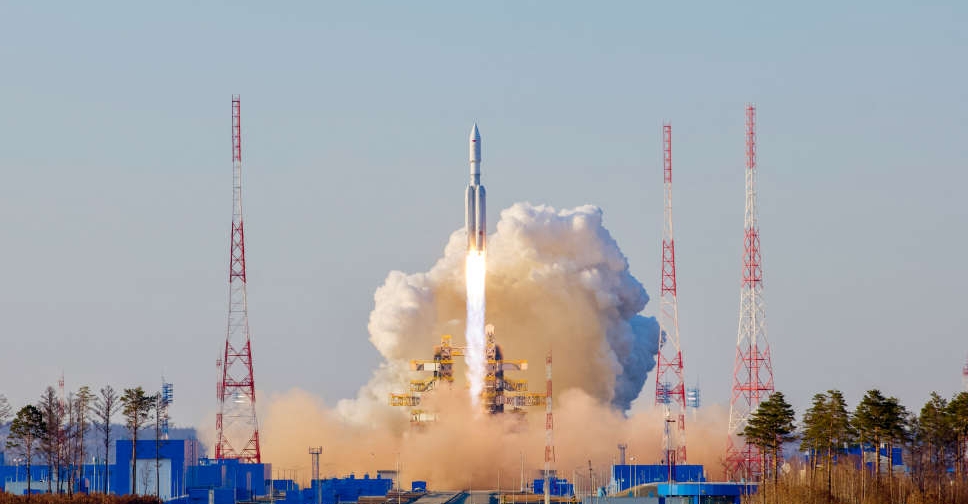
Russia's Soyuz rocket blasted off from its Plesetsk launch site some 800 km north of Moscow on May 16, deploying in low-Earth orbit at least nine satellites including COSMOS 2576, a type of Russian military "inspector" spacecraft US officials have long condemned as exhibiting reckless space behaviour.
"We have observed nominal activity and assess it is likely a counter-space weapon presumably capable of attacking other satellites in low Earth orbit," a US Space Command (USSPACECOM) spokesperson said in a statement to Reuters.
"Russia deployed this new counter-space weapon into the same orbit as a U.S. government satellite."
COSMOS 2576 resembled previously deployed counter-space payloads from 2019 and 2022, the statement added, referring to past Russian tactics of deploying satellites close to sensitive US spy satellites.
COSMOS 2576, as of Tuesday, has not gone near a US satellite, but space analysts observed it to be in the same orbital ring as USA 314, a bus-sized NRO satellite launched in April 2021.
The Russian satellite appears to be trailing USA 314's orbital path at a faster speed, suggesting the two will eventually come into closer proximity, according to a Reuters review of orbital data in Space Command's public satellite catalog.
The satellite's deployment comes as the US alleges Russia to be developing a space-based nuclear weapon capable of destroying entire networks of satellites. US officials believe Russia has launched at least one satellite, COSMOS 2553, related to its nuclear space weapon program.
However they have said Russia has not deployed a nuclear weapon in space.
In response, Russian Deputy Foreign Minister Sergei Ryabkov said it was fake news from Washington that did not need a response.
"The Americans can say whatever they want but our policy does not change from this," said Ryabkov, adding that Moscow had "always consistently opposed the deployment of strike weapons in low-Earth orbit."

 Saudi Arabia says shrapnel from intercepted ballistic missile in Asir injures one
 Nine injured in Australia as car crashes into crowd north of Sydney
 India's 'cockroach' youth party to protest, demand poll chief's resignation
 Congo's Ebola outbreak has killed more than 4,000, government data shows
 About 400 French schools closed as some student protests turn violent