A significant number of top business leaders have expressed serious concerns over the potential existential threat posed by artificial intelligence (AI) in the near future.
According to the results of a recent survey conducted at the Yale CEO Summit, 42 per cent of CEOs believe AI could potentially destroy humanity within the next 5 to 10 years.
Published by CNN and organised by Sonnenfeld's Chief Executive Leadership Institute, the survey revealed a sharp division among CEOs regarding the perceived danger AI poses to civilisation. While 34 per cent of CEOs anticipated the potential destruction of humanity within a decade, 58 per cent remained unconcerned, stating such an outcome is highly unlikely.
In response to a separate question, the survey indicated that 42 per cent of the CEOs believed the potential catastrophic effects of AI are exaggerated, while the remaining 58 per cent asserted the concerns are valid.
These findings followed closely on the heels of a statement signed by numerous leaders in the AI industry, academics and prominent individuals, which warns of the risk of "extinction" posed by AI. Signatories included Sam Altman, CEO of OpenAI, Geoffrey Hinton, renowned as the "godfather of AI," as well as top executives from Google and Microsoft. The statement emphasized the need for proactive measures to safeguard against the potential dangers of AI.
While business leaders engaged in debates surrounding the perils of AI, the CEOs surveyed by Yale exhibited a degree of consensus regarding its rewards. Only 13 per cent of respondents believed the potential benefits of AI are overstated, while a vast majority, 87 per cent, perceived its transformative impact as substantial.
The CEOs also identified three key industries set to undergo the most significant transformation due to AI: healthcare (48 per cent), professional services/IT (35 per cent), and media/digital (11 per cent).
While some within and outside the technology sector debate doomsday scenarios concerning AI, the immediate effects are likely to include risks such as misinformation and job displacement. The absence of consensus regarding the approach to AI underscores the ongoing efforts of industry leaders to comprehend the potential risks and rewards of this game-changing technology for society.


 Australia, EU seal long-awaited trade deal
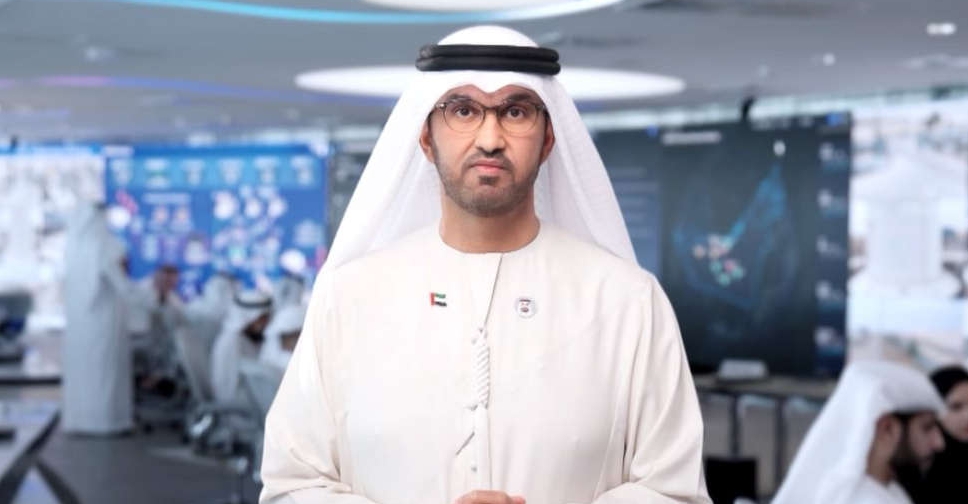 Weaponising Strait of Hormuz is an act of economic terrorism: Sultan Al Jaber
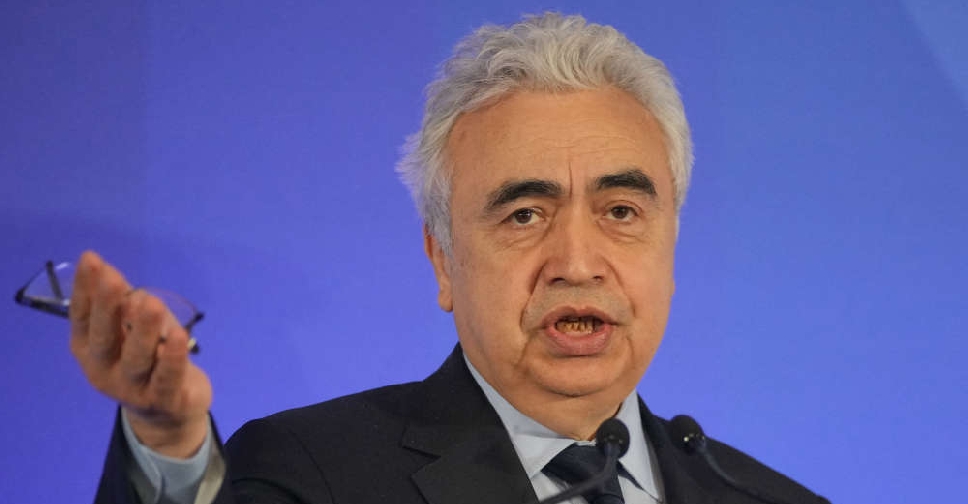 IEA consulting with governments on further oil stock releases, chief Birol says
 Dollar rises as escalating Middle East tensions spur haven demand
 Business leaders highlight Dubai’s resilience amid global developments