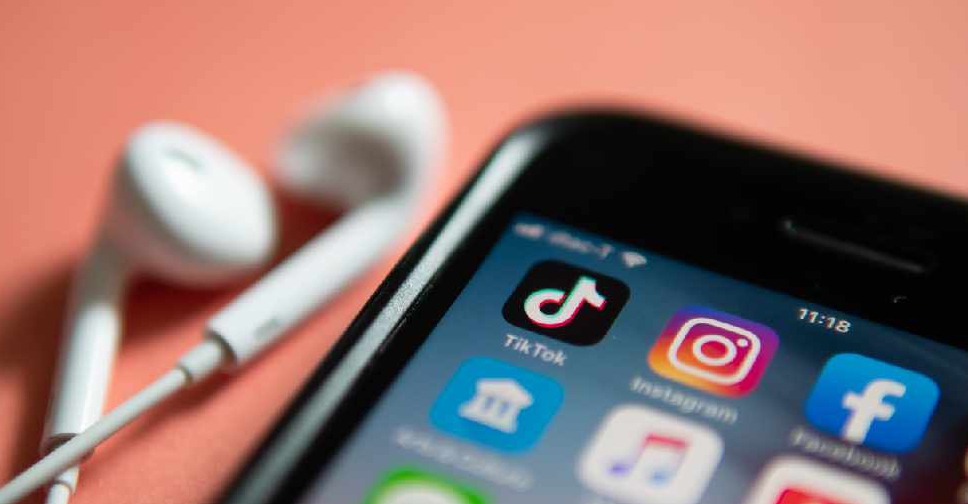
Short video app TikTok, owned by China's ByteDance, said on Thursday it would invest billions of dollars in Southeast Asia over the next few years, as it doubles down on the region amid intensifying global scrutiny over its data security.
Southeast Asia, a region with a collective population of 630 million - half of them under 30 - is one of TikTok's biggest markets in terms of user numbers, generating more than 325 million visitors to the app every month.
But the platform has yet to translate the large user base into a major e-commerce revenue source in the region as it faces fierce competition from bigger rivals of Sea's Shopee, Alibaba's Lazada and GoTo's Tokopedia.
"We're going to invest billions of dollars in Indonesia and Southeast Asia over the next few years," TikTok CEO Shou Zi Chew said at a forum it organised in Jakarta to highlight the social and economic impact of the app in the region.
TikTok did not provide a detailed breakdown of the spending plan, but said it would invest in training, advertising and supporting small vendors looking to join its e-commerce platform TikTok Shop.
Chew said content on its platform was becoming more diversified as it adds more users and expands beyond advertising into e-commerce, allowing consumers to purchase goods through links on the app during livestreaming.
TikTok has 8,000 employees in Southeast Asia, and 2 million small vendors selling their wares on its platform in Indonesia, the region's biggest economy, he added.
E-commerce transactions across the region reached nearly $100 billion last year, with Indonesia accounting for $52 billion, according to data from consultancy Momentum Works.
TikTok facilitated $4.4 billion of transactions across Southeast Asia last year, up from $600 million in 2021, but it still trailed far behind Shopee's $48 billion of regional merchandise sales in 2022, Momentum Works said.
TikTok's investment plan comes as the Chinese-owned company faces scrutiny from some governments and regulators because of concerns that Beijing could use the app to harvest user data or advance its interests.
Countries including Britain and New Zealand have banned the app on government phones, moves TikTok said it believed were based on "fundamental misconceptions" and driven by wider geopolitics.
TikTok has repeatedly denied that it has ever shared data with the Chinese government and has said the company would not do so if asked.
The app has not faced major bans on government devices in Southeast Asia, but it has been under scrutiny over its content.
Indonesia presented one of its first major global policy challenges in 2018, after authorities briefly banned TikTok for posts they said contained "inappropriate content and blasphemy".
In Vietnam, regulators said it would probe TikTok's operations in the country because "toxic" content on the platform poses a threat to its "youth, culture and tradition".


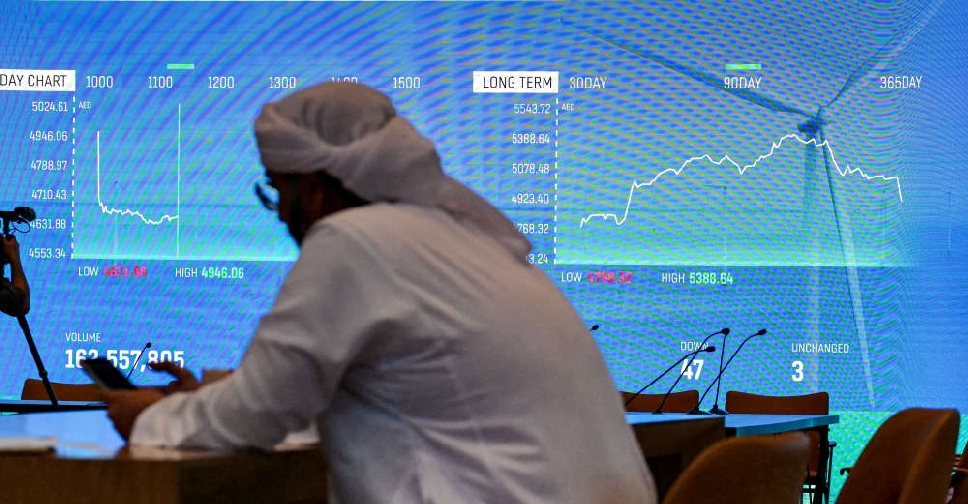 Gulf stocks mixed amid confusion over US-Iran talks
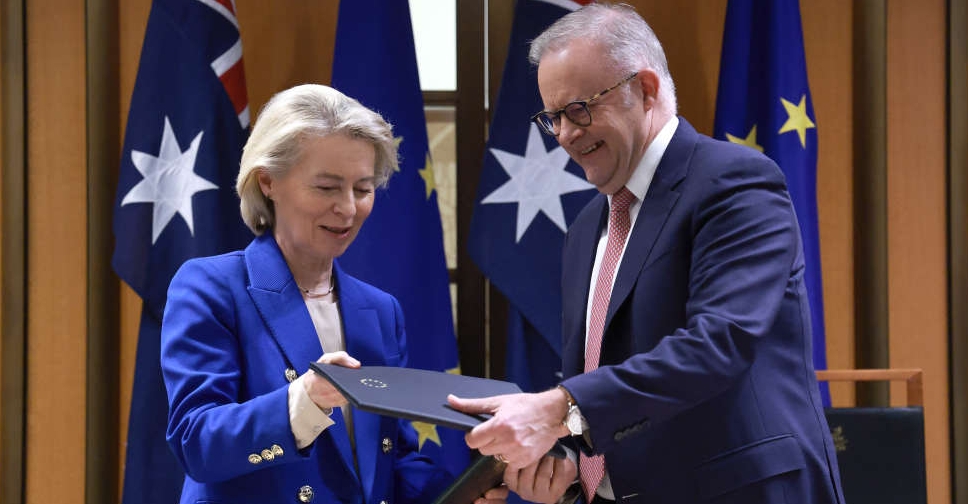 Australia, EU seal long-awaited trade deal
 Weaponising Strait of Hormuz is an act of economic terrorism: Sultan Al Jaber
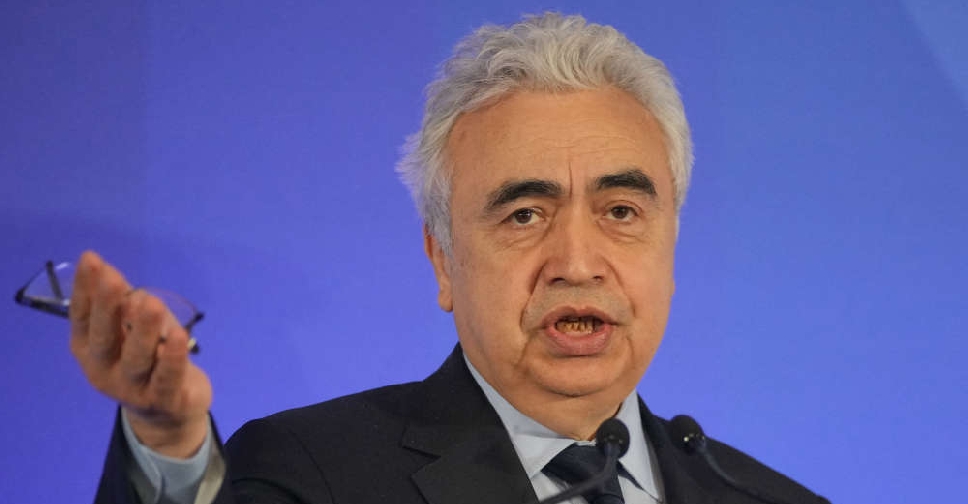 IEA consulting with governments on further oil stock releases, chief Birol says
 Dollar rises as escalating Middle East tensions spur haven demand