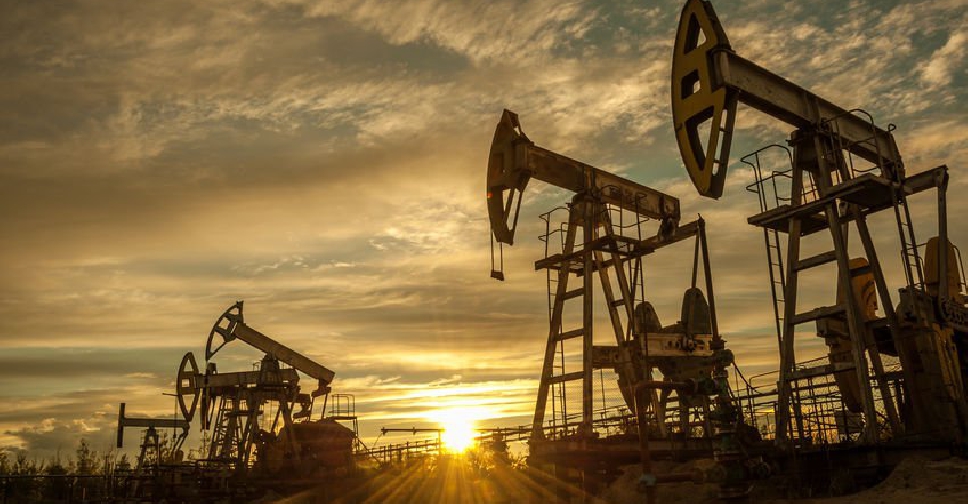
Shell said on Monday there was no impact to operations after an oil leak over the weekend from a land-based pipeline at Shell Energy and Chemicals Park Singapore on Bukom island, adding that the leak had been stopped.
"We estimate that approximately 30-40 metric tonnes of slop, which is a mixture of oil and water, was leaked into the sea," the company said in a statement, adding that it was working with all relevant authorities to manage the clean-up effort.
"There is no impact to Bukom operations or supply. The leak has been stopped and we are taking steps to clean up the oil which has spilled," a Shell spokesperson said in an email.
Shell Singapore in August shut down one crude distillation unit (CDU) and other facilities at its refinery in Bukom for a scheduled overhaul. The maintenance was expected to end in the first half of October.
The company sold its refinery and petrochemical plants in Singapore to a joint venture company between Indonesia petrochemicals producer Chandra Asri and major trading house Glencore GLEN.L in early May. The transaction is expected to be completed by the end of 2024.
Earlier this year, beaches on Singapore's Sentosa island were closed after an oil spill spread from a nearby shipping terminal to the tourist haven south of the city-state.
Dr. Sultan Ahmed Al Jaber, UAE Minister of Industry and Advanced Technology, ADNOC Managing Director and Group CEO, and Executive Chairman of XRG, has received the 2026 Distinguished Global Leadership Award from the Washington D.C.-based Middle East Institute (MEI).
Dubai has achieved its highest ever ranking in the Global Financial Centres Index (GFCI), climbing to seventh place, underscoring the emirate’s rise as one of the world's most influential financial hubs and its importance in the global financial system.
Global equity markets, including from the U.S., Europe and Asia, rose while oil prices fell on Wednesday, as traders cheered news of ceasefire proposals to de-escalate the ongoing conflict in the Middle East.
Australia's centre-left government has introduced legislation in the parliament to double penalties for fuel price gouging on Wednesday as global supply disruptions due to the Iran war triggered fuel shortages in some rural regions.
Gulf markets ended mixed on Tuesday, with Qatar extending losses while other bourses steadied as investors parsed conflicting signals on potential US-Iran talks.

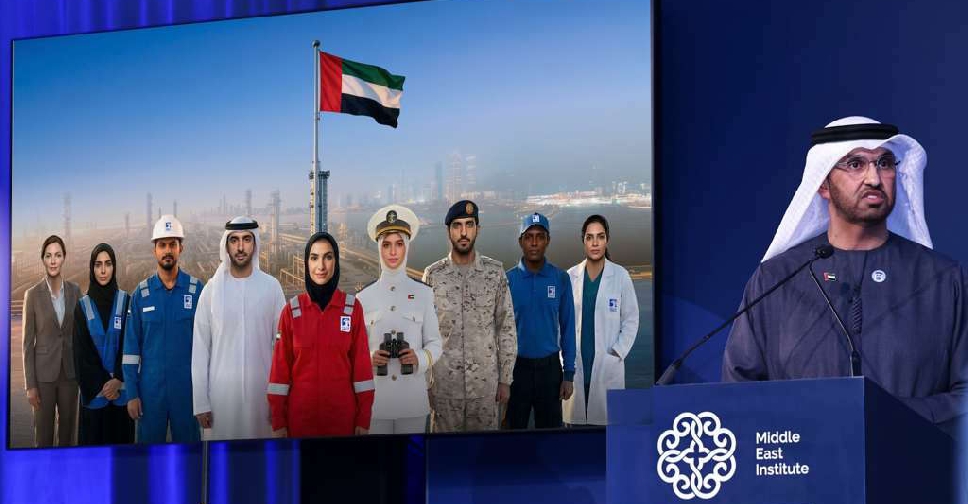 Dr. Sultan Al Jaber dedicates leadership award to UAE President, frontline workers
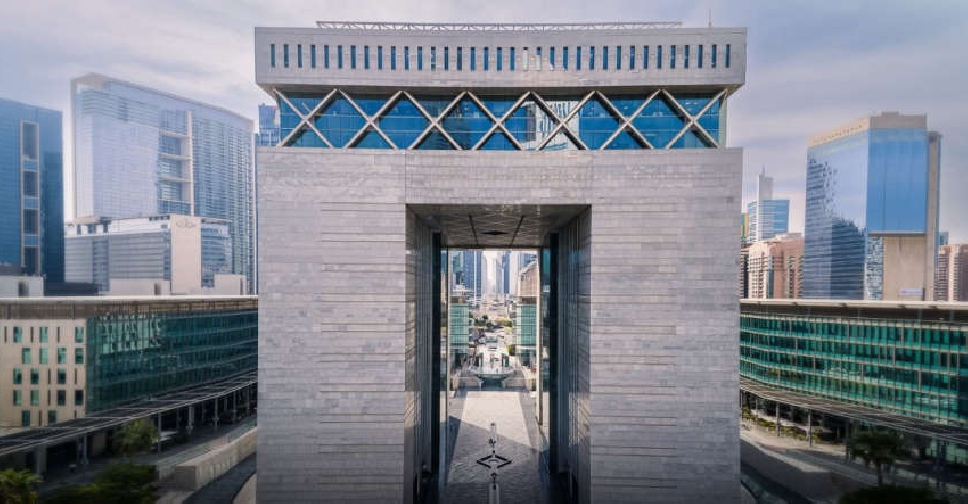 Dubai achieves highest-ever ranking in Global Financial Centres Index
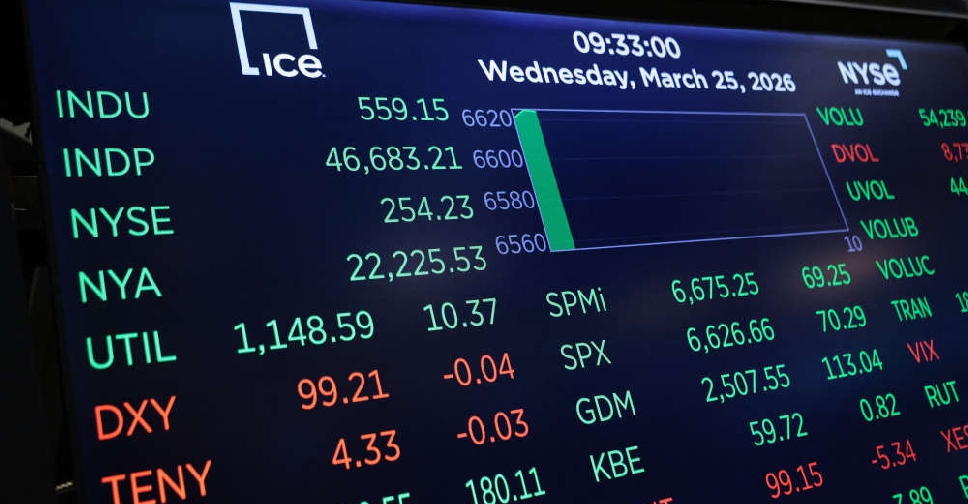 Stocks gain with oil prices easing on optimism from possible ceasefire talks
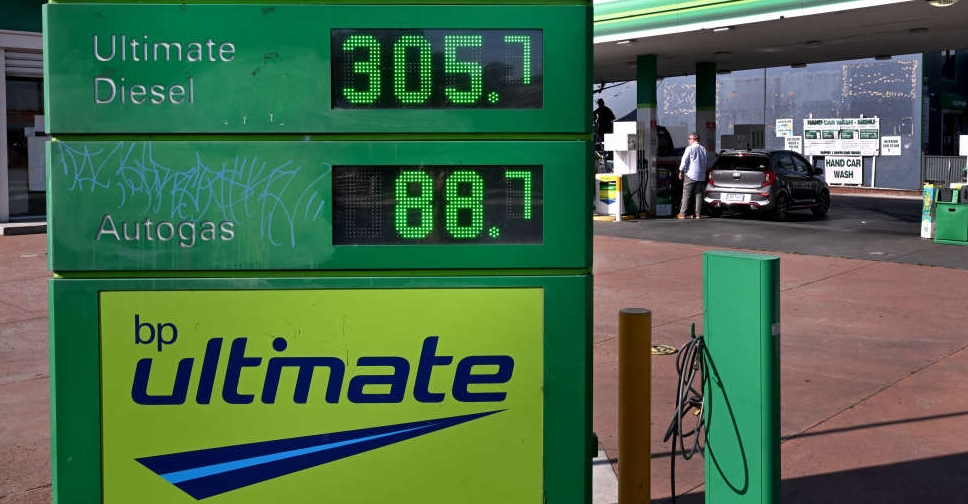 Australia moves to double fines for fuel gouging amid shortages
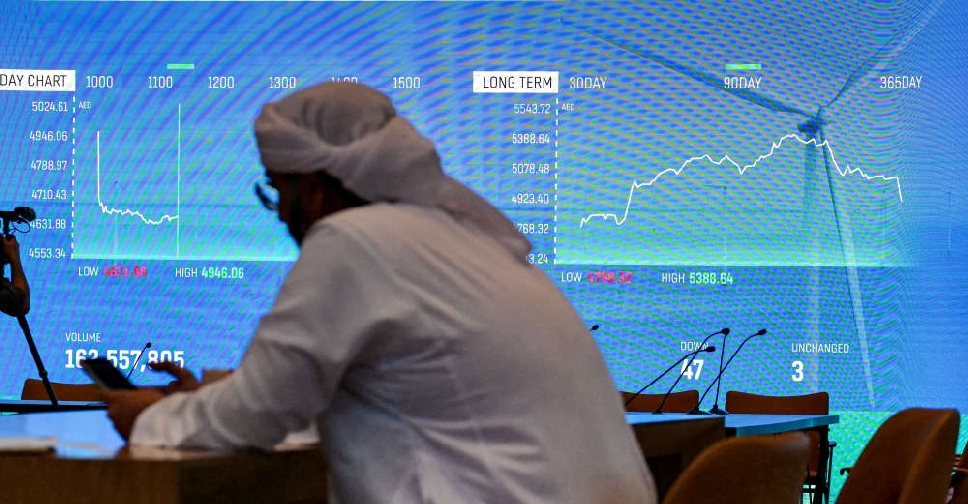 Gulf stocks mixed amid confusion over US-Iran talks