The worst cash squeeze at Saudi Arabian banks since the financial crisis is easing. A key interest rate used to price loans in the kingdom dropped on Sunday by the most in more than seven years, a sign that government measures to alleviate a liquidity shortage are working. The three-month Saudi Interbank Offered Rate declined 2.2 basis points after retreating last week for the first time since July. The drop in lending costs comes after the kingdom sold the developing world’s biggest sovereign bond offering, reduced its weekly debt issuance and pledged to inject billions of riyals into the banking sector to boost liquidity. The nation’s interbank rate rose to a 2009-high amid a cash crunch after the world’s largest oil exporter withdrew deposits and sold more than $60 billion worth of local bonds since the start of 2015 to cope with falling crude prices and a ballooning budget deficit. “We believe a large share of the $17.5 billion of international deposits recently raised by the kingdom has made its way to the bank deposit book,” said Chiradeep Ghosh, a banking analyst at Securities & Investment Co. in Bahrain. Taken alongside other steps by the central bank, “interest rates should decline further after the surge in the last 12 months,” he said. US interest rate increases will remain a headwind, he said. (Samuel Potter and Archana Narayanan/Bloomberg)

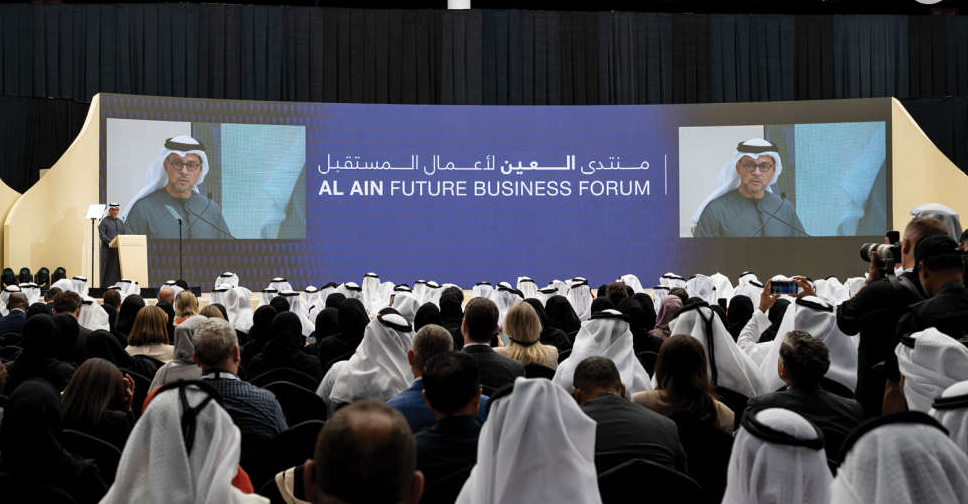 Eleven agreements signed at Al Ain Future Business Forum
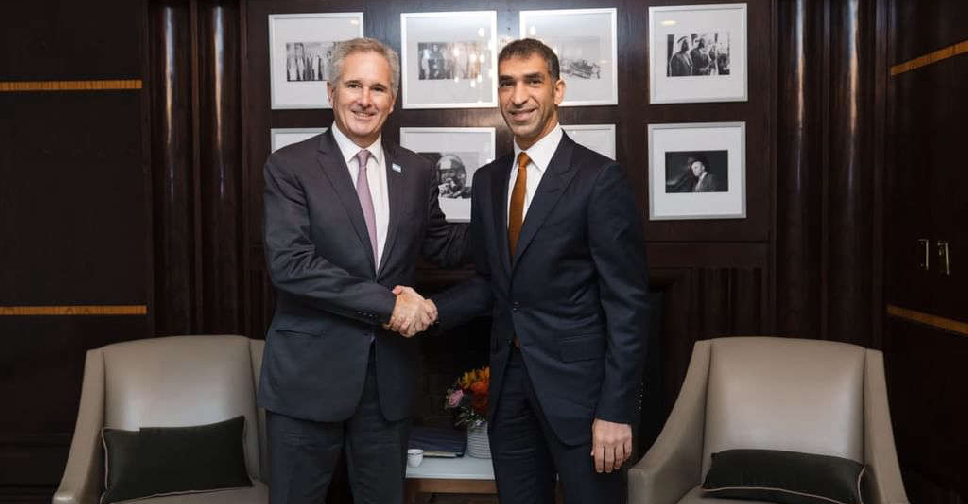 UAE, Argentina launch CEPA negotiations
 Meraas awards AED 1 billion contract for Nad Al Sheba Gardens expansion
 Meta launches AI gadget Charm as race for post-smartphone hardware heats up
 UAE Central Bank sanctions Bank Melli Iran over compliance breaches