Saudi Arabia faces the prospect of deeper oil production cuts after Iraq joined the queue of group members seeking immunity from the deal hatched in Algiers. More than a third of OPEC’s production - Nigeria, Libya, Iraq and Iran - now stands outside the plan. The worsening OPEC equation presents Saudi Arabia with a difficult choice after its Algiers U-turn: carry a greater burden within the group, ceding market share to other producers, or lose credibility by softening the terms of the deal. In a worst-case scenario, Saudi Arabia will have to cut production by more than 1 million barrels a day, sending the kingdom’s output to a two-year low. While oil has rallied more than 15 per cent since Algiers, the growing cost of following through is becoming clear. (Angelina Rascouet/Bloomberg)

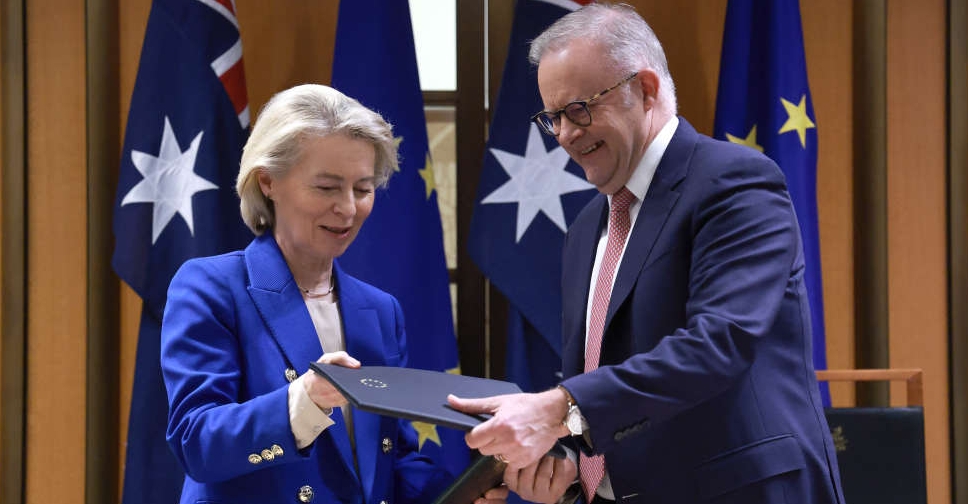 Australia, EU seal long-awaited trade deal
 Weaponising Strait of Hormuz is an act of economic terrorism: Sultan Al Jaber
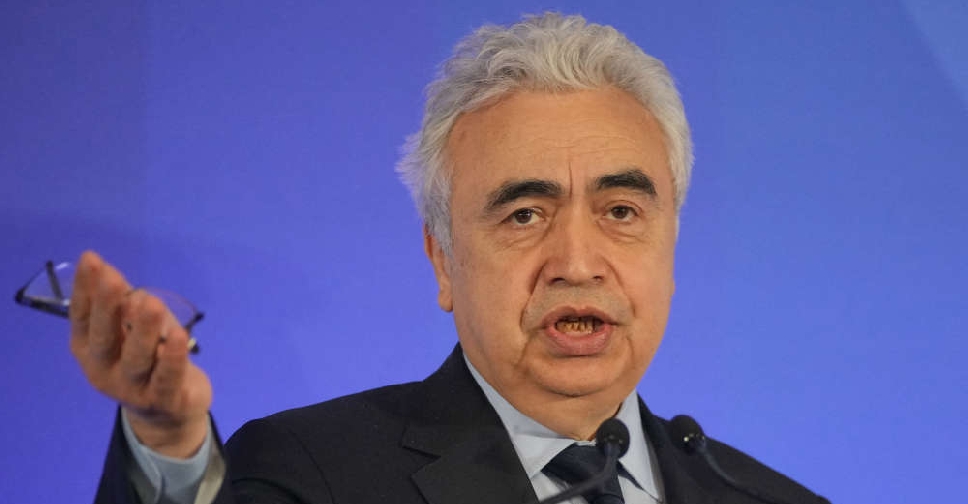 IEA consulting with governments on further oil stock releases, chief Birol says
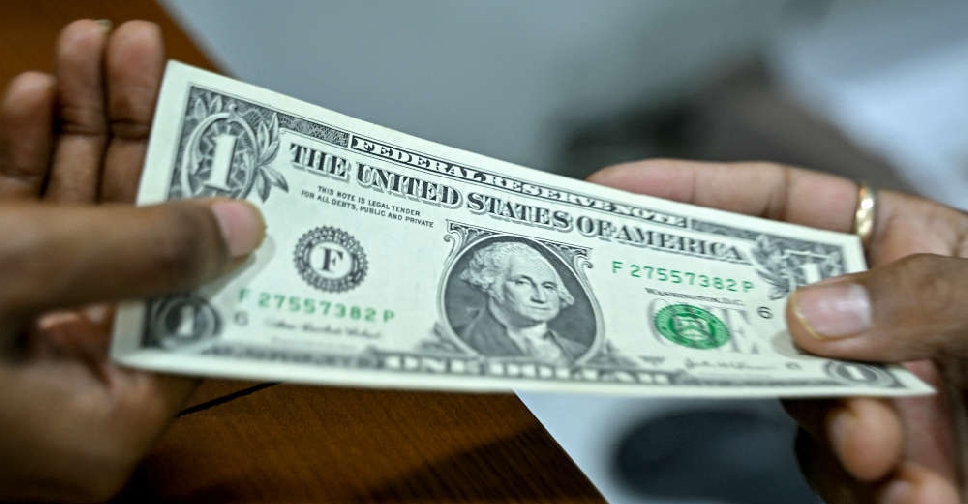 Dollar rises as escalating Middle East tensions spur haven demand
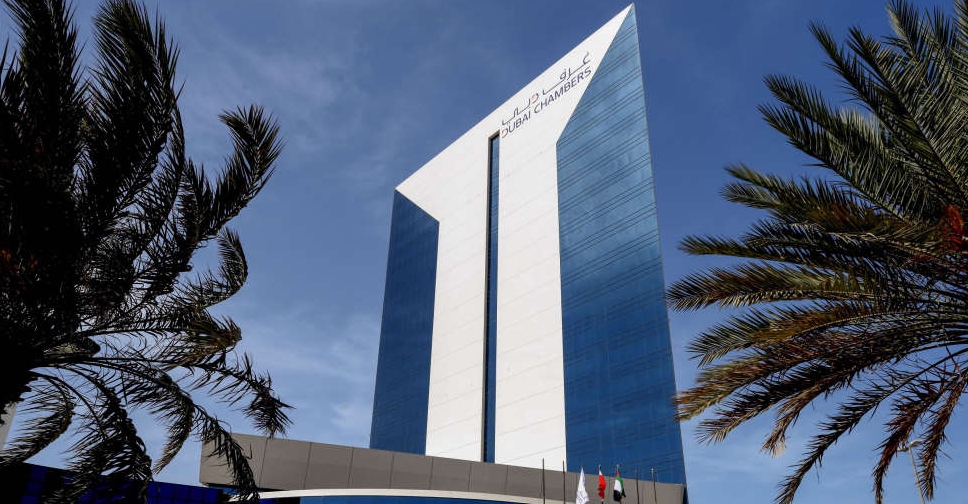 Business leaders highlight Dubai’s resilience amid global developments