Less than six months after OpenAI introduced its AI detection tool, aimed at assisting teachers and professionals in identifying AI-generated work, the company has decided to pull the feature from its offerings.
The decision to shut down the tool was disclosed through an update to the original company blog post that had initially announced the feature.
According to OpenAI, the primary reason for discontinuing the tool was its "low rate of accuracy".
The company acknowledged the need for improvement and stated that they are actively working on incorporating user feedback while researching more effective provenance techniques for text. Additionally, OpenAI expressed its commitment to aiding users in determining if audio or visual content has been AI-generated.
The AI detection tool was first unveiled by OpenAI in February with the purpose of enabling users to determine whether an essay or text was authored by a human or AI. Focused on AI-generated English text, the tool operated on a machine learning system, which analysed the input and assigned it to various categories. By pasting a body of text, such as a school essay, into the tool, users received one of five possible outcomes, ranging from "likely generated by AI" to "very unlikely". However, even upon its launch, OpenAI openly admitted that the tool was not perfect and advised users to interpret the results with caution.
Global equity markets, including from the U.S., Europe and Asia, rose while oil prices fell on Wednesday, as traders cheered news of ceasefire proposals to de-escalate the ongoing conflict in the Middle East.
Australia's centre-left government has introduced legislation in the parliament to double penalties for fuel price gouging on Wednesday as global supply disruptions due to the Iran war triggered fuel shortages in some rural regions.
Gulf markets ended mixed on Tuesday, with Qatar extending losses while other bourses steadied as investors parsed conflicting signals on potential US-Iran talks.
Australia and the European Union on Tuesday signed a trade deal marking the culmination of years of negotiations, as Europe seeks to diversify its export markets and expand ties beyond its traditional partners.
Weaponising the Strait of Hormuz is an act of economic terrorism with global impact far beyond energy markets, asserted Dr. Sultan bin Ahmed Al Jaber, Minister of Industry and Advanced Technology, while addressing CERAWeek in Houston, Texas.



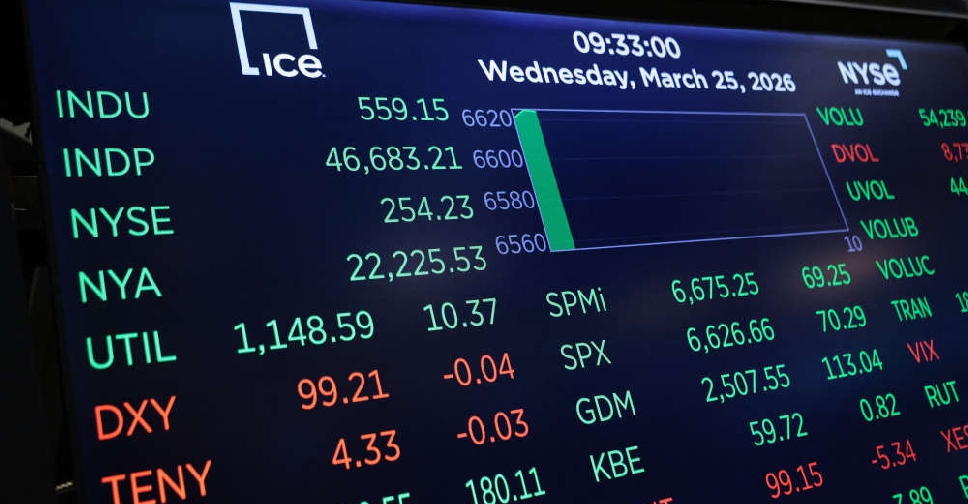 Stocks gain with oil prices easing on optimism from possible ceasefire talks
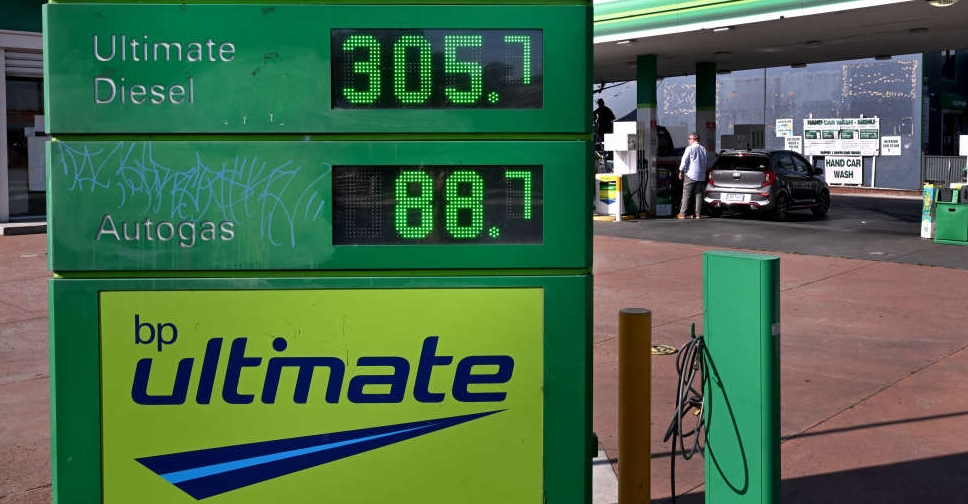 Australia moves to double fines for fuel gouging amid shortages
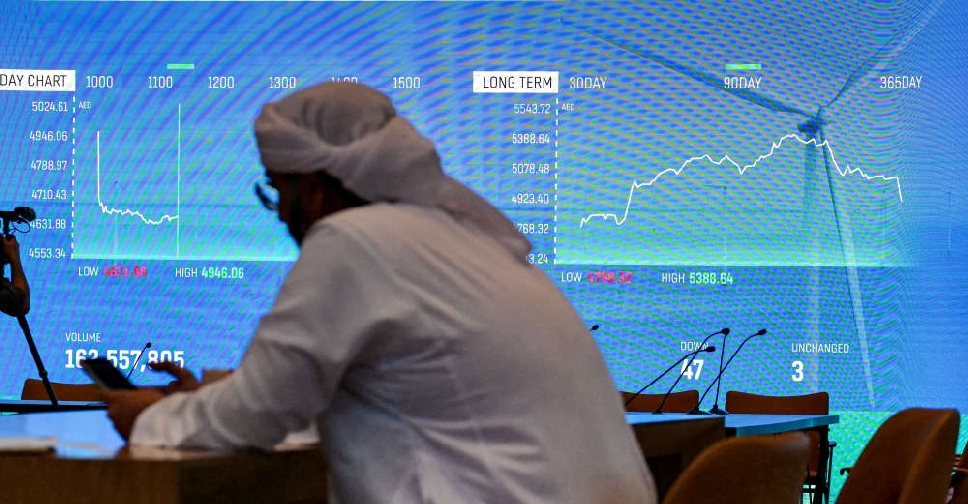 Gulf stocks mixed amid confusion over US-Iran talks
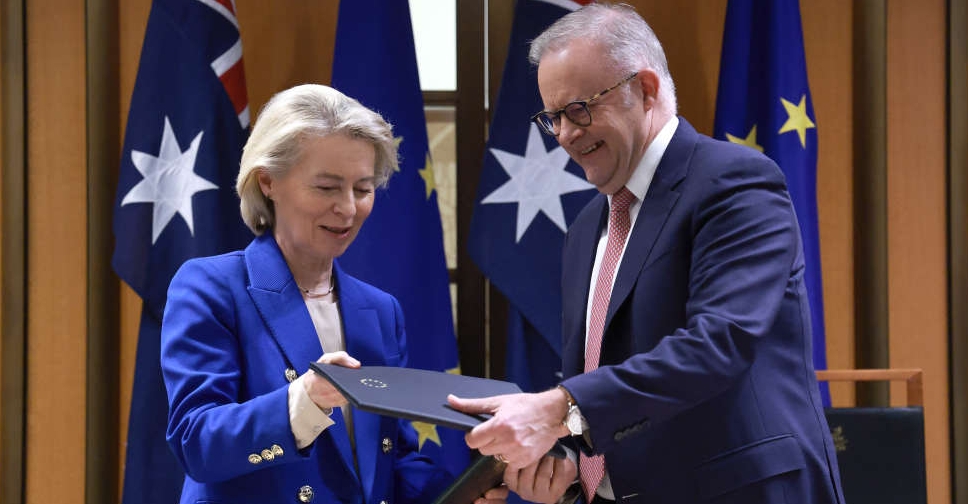 Australia, EU seal long-awaited trade deal
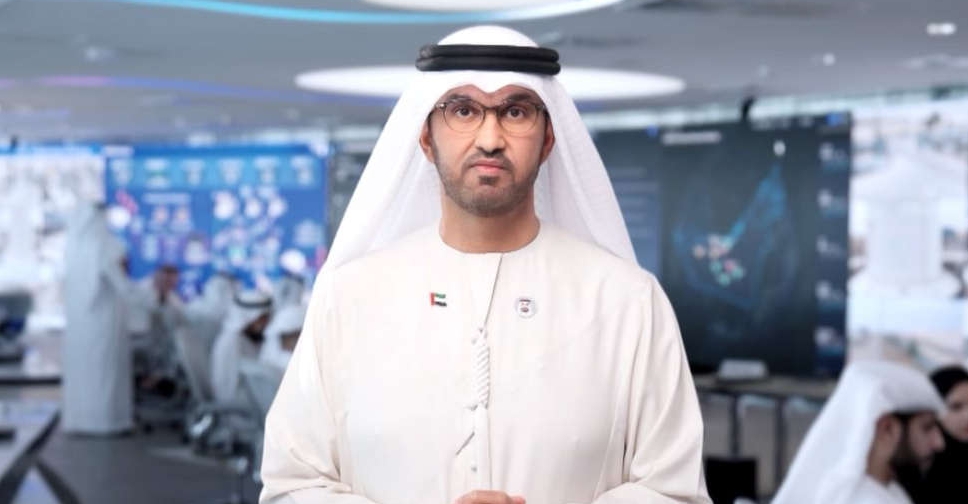 Weaponising Strait of Hormuz is an act of economic terrorism: Sultan Al Jaber