The Organisation of Petroleum Exporting Countries (OPEC) embarked on a final diplomatic effort to secure a deal on oil cuts, with Qatar, Algeria and Venezuela leading the push to overcome the divide between the group’s biggest producers, according to a delegate familiar with the talks. The behind-the-scenes diplomacy comes after bilateral meetings over the weekend failed to resolve the rifts, leaving just two weeks to finalise an agreement before the November 30 ministerial meeting in Vienna, revealed the delegate, who asked not to be identified because the discussions are private. Saudi Arabia, Iraq and Iran are still at odds over how to share output cuts, the person said. The OPEC has yet to find a path to finalise the preliminary cuts deal reached in Algiers on September 28, which ended a two-year policy of pumping without limits. After an initial rally to nearly $54 a barrel, Brent crude has dropped to $44 as doubts spread about the implementation of the agreement. Members’ total output is still growing as Libya and Nigeria recover from violence that halted production. Saudi Arabia, the group’s de-facto leader, is ready to cut production, but only if the effort is built around four pillars, said the delegate. All members must agree to collective action, pledge to share the burden of cuts equitably, and do so in a way that is transparent and has credibility with the market. The latter can be achieved by using OPEC estimates of how much each member pumps, rather than relying on the country’s own estimates, the delegate said. (Javier Blas and Wael Mahdi/Bloomberg)

 WTO advances world’s first digital trade rules despite opposition
 Abu Dhabi boosts transparency, governance in real estate sector
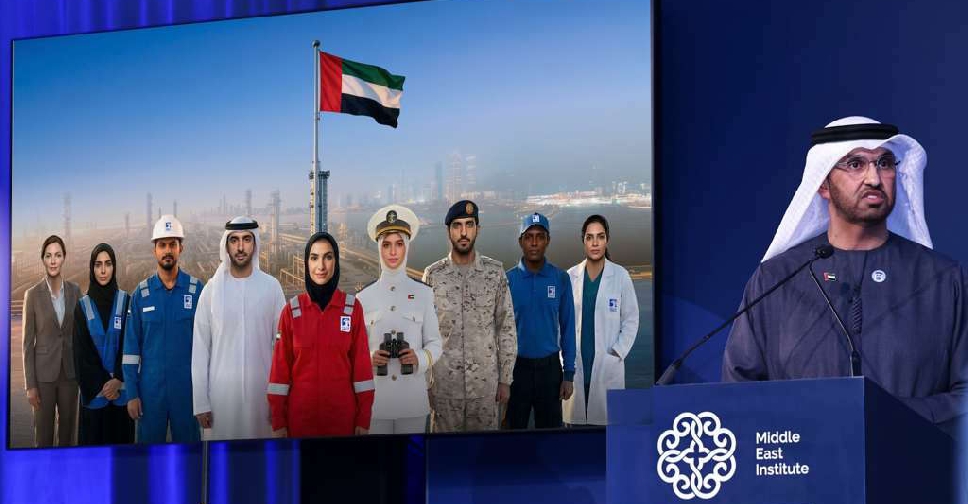 Dr. Sultan Al Jaber dedicates leadership award to UAE President, frontline workers
 Dubai achieves highest-ever ranking in Global Financial Centres Index
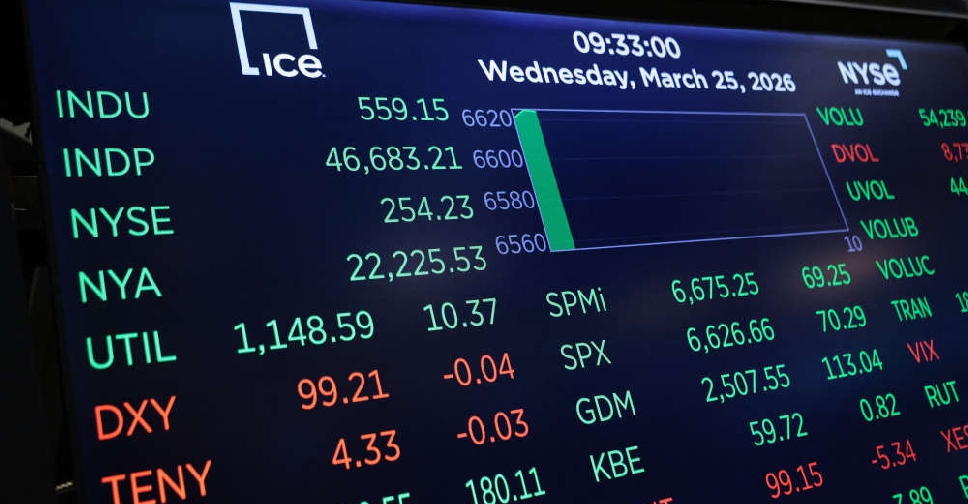 Stocks gain with oil prices easing on optimism from possible ceasefire talks