Organisation of Petroleum Exporting Countries (OPEC)’s chief warned of prolonged instability in the oil market if the producer group and other major crude suppliers fail to act jointly to limit output and curb a global glut. An inability of the OPEC to implement the deal it reached in Algiers in September will have “negative consequences on the already fragile state of the industry,” OPEC Secretary-General Mohammed Barkindo said Tuesday at a briefing in Abu Dhabi. Markets are “eagerly awaiting” combined action by OPEC and non-OPEC producers, he said. “Failure to jointly act with our non-OPEC colleagues and friends in accordance with the Algiers accord will further elongate this period of very low growth, this period of instability in the market, and will put forward, further, the re-balancing process,” Barkindo said, adding that he didn’t wish to sound “like a prophet of doom.” The Algiers agreement helped push oil prices to a 15-month high above $50 a barrel, but crude has subsequently fallen as several OPEC states disputed production estimates that would determine the size of cuts required of the group’s individual members. OPEC wants to put the changes into effect when it meets in Vienna on November 30. (Anthony DiPaola, Mahmoud Habboush and Sam Wilkin/Bloomberg)

 Netflix cuts about 6% of jobs in biggest layoff since 2022, WSJ reports
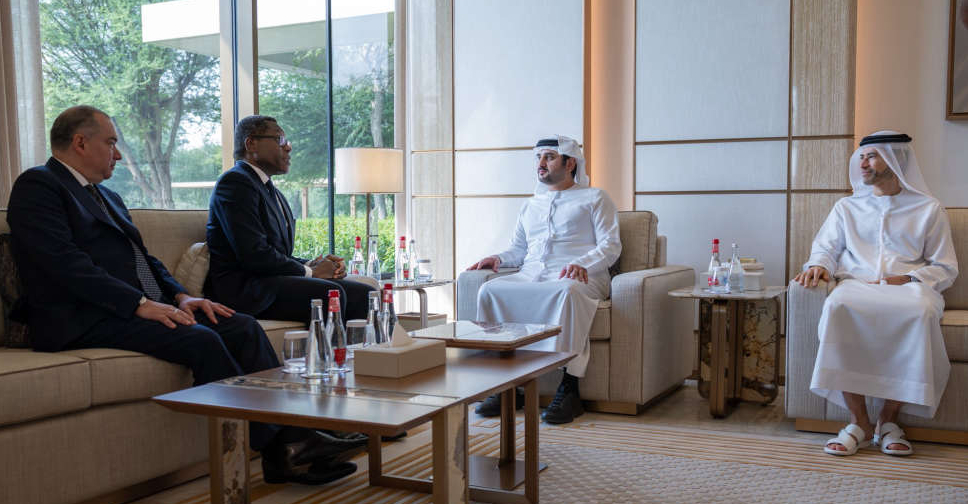 Sheikh Maktoum meets Bank of America's Bernard Mensah
 Small AI models near self-replication, Anthropic warns
 H.H. Sheikh Hamdan praises progress of Dubai Cashless Strategy
 DIEZ doubles size of Oraseya Capital fund to AED1 billion