India and China will restart direct flights between designated cities this month, ending a suspension of more than five years, in a move that signals a cautious easing of bilateral tensions, India's foreign ministry said on Thursday.
There have been no direct flights between China and India since 2020, even though China is India's biggest bilateral trade partner.
India's largest carrier IndiGo said it would begin daily non-stop flights between Kolkata and Guangzhou on October 26. It also plans to launch a route connecting New Delhi with the Chinese city.
Indian Prime Minister Narendra Modi visited China a month ago for the first time in seven years to attend a meeting of the Shanghai Cooperation Organisation regional security bloc.
Modi and Chinese President Xi Jinping agreed that India and China were development partners, not rivals, and discussed ways to strengthen trade ties amid global tariff uncertainty.
Modi also conveyed India's commitment to improving ties and raised concerns about its widening trade deficit with China, which stands at nearly $99.2 billion.
He emphasised the importance of maintaining peace and stability along their disputed border, where a clash in 2020 triggered a five-year military standoff.
Global equity markets, including from the U.S., Europe and Asia, rose while oil prices fell on Wednesday, as traders cheered news of ceasefire proposals to de-escalate the ongoing conflict in the Middle East.
Australia's centre-left government has introduced legislation in the parliament to double penalties for fuel price gouging on Wednesday as global supply disruptions due to the Iran war triggered fuel shortages in some rural regions.
Gulf markets ended mixed on Tuesday, with Qatar extending losses while other bourses steadied as investors parsed conflicting signals on potential US-Iran talks.
Australia and the European Union on Tuesday signed a trade deal marking the culmination of years of negotiations, as Europe seeks to diversify its export markets and expand ties beyond its traditional partners.
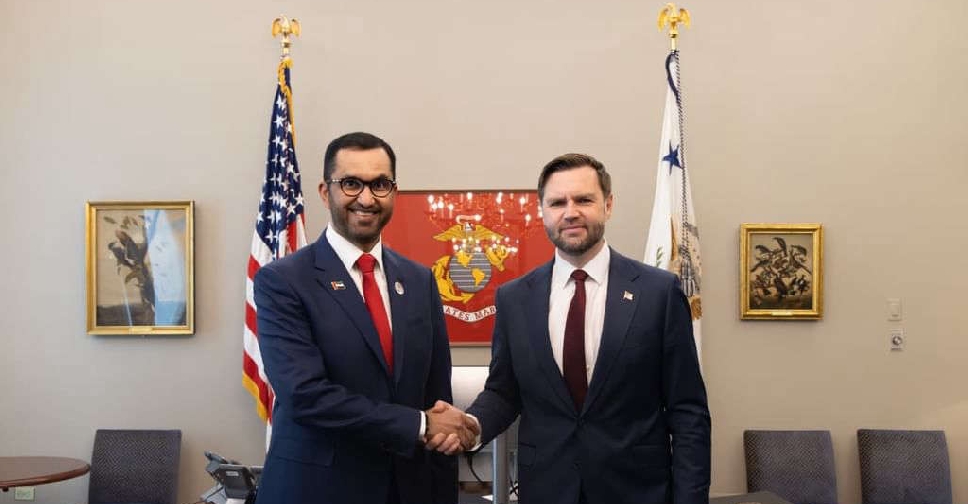
Weaponising the Strait of Hormuz is an act of economic terrorism with global impact far beyond energy markets, asserted Dr. Sultan bin Ahmed Al Jaber, Minister of Industry and Advanced Technology, while addressing CERAWeek in Houston, Texas.


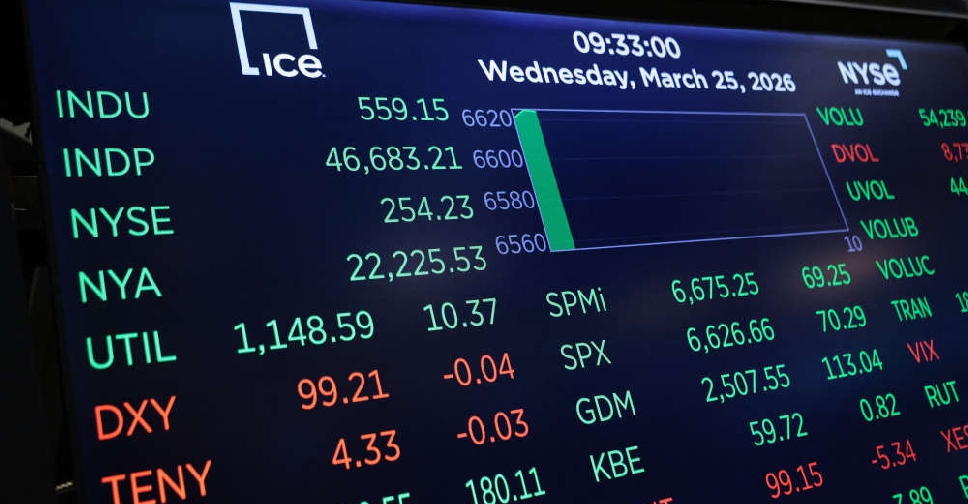 Stocks gain with oil prices easing on optimism from possible ceasefire talks
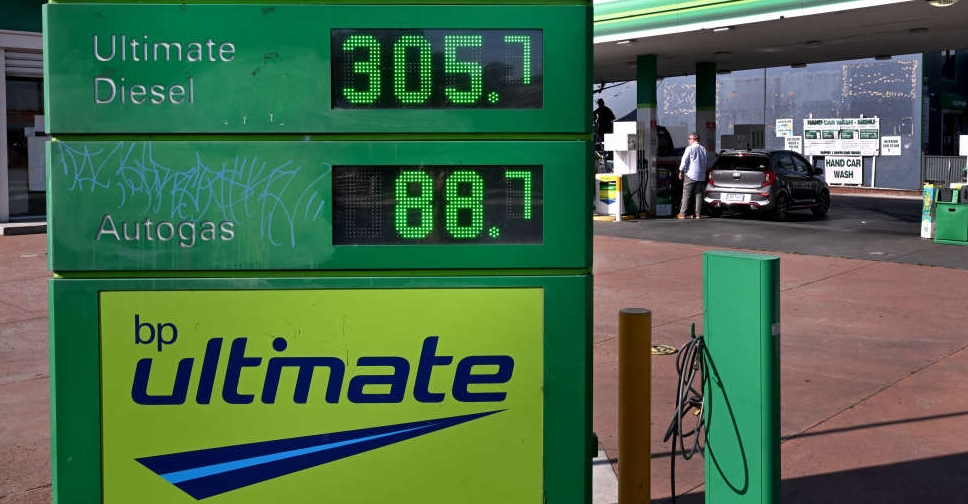 Australia moves to double fines for fuel gouging amid shortages
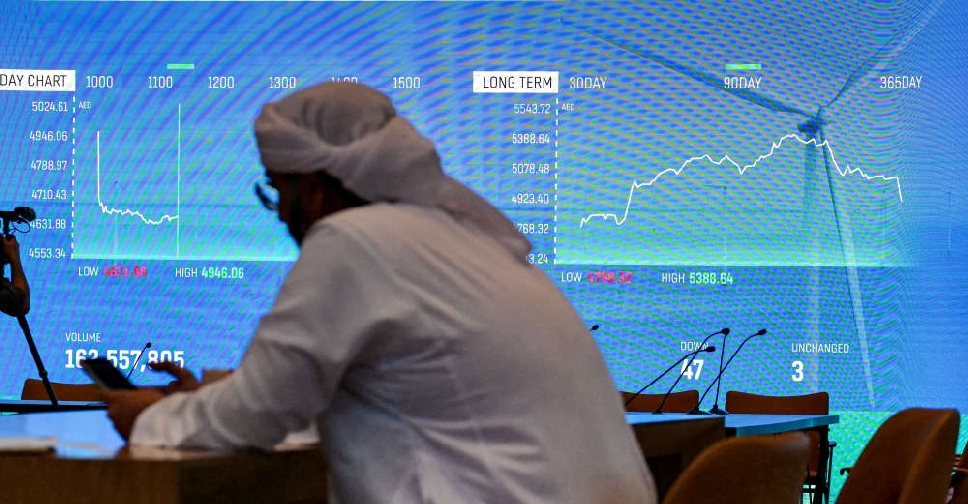 Gulf stocks mixed amid confusion over US-Iran talks
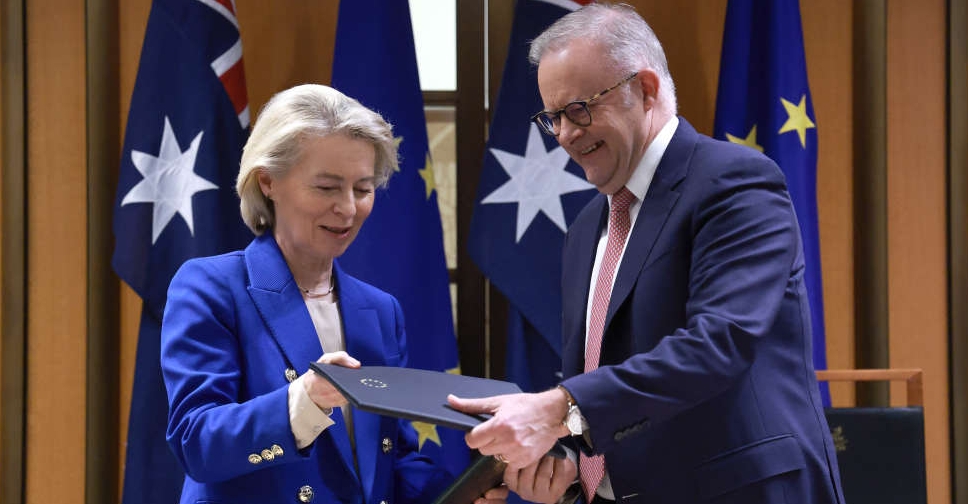 Australia, EU seal long-awaited trade deal
 Weaponising Strait of Hormuz is an act of economic terrorism: Sultan Al Jaber